

Practical Financial Advice: Smart Investing Strategies & Essential Money Management Tips
Welcome to the world of financial empowerment! Navigating your finances doesn’t have to be a stressful chore; it’s about making your money work for you. Let’s start by acknowledging that Practical Financial Advice begins with a solid mindset shift from spending to saving. You aren’t just cutting back; you’re buying your future freedom. Imagine a life where you aren’t living paycheck to paycheck and can handle unexpected costs with ease. To get there, we need to look at Essential Money Management Tips that actually stick. First, you must define your “why”—is it early retirement, a new home, or traveling the world? Once your goals are clear, every dollar you save feels like a victory rather than a sacrifice. Consistency is far more important than the initial amount you contribute. By automating your savings, you remove the temptation to spend what you should be setting aside. Over time, these small habits compound into significant wealth and security. Let’s dive deep into the specific strategies that will transform your bank account. Start thinking about your financial journey as a series of small, manageable steps rather than one giant leap. Financial independence is closer than you think if you start applying these principles today.

The Foundation: Master Your Cash Flow
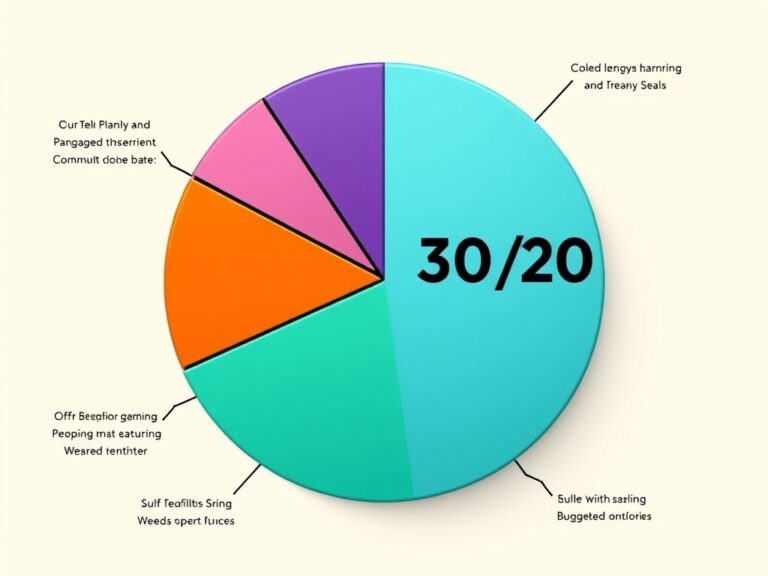
Before you can master Smart Investing Strategies, you must have a clear picture of where your money goes every single month. Budgeting isn’t a restrictive cage; it’s a roadmap that gives you permission to spend on what truly matters. I recommend starting with the 50/30/20 rule, which is a classic for a reason because it balances needs, wants, and future security.
- 50% for Needs: Housing, groceries, utilities, and insurance.
- 30% for Wants: Dining out, hobbies, and that Netflix subscription.
- 20% for Savings & Debt: Building your emergency fund and paying down loans.
Tracking your expenses for just thirty days can be an eye-opening experience that reveals “money leaks” you never knew existed. You might find that those daily gourmet coffees or unused gym memberships are eating into your investment potential. An emergency fund consisting of three to six months of expenses is your ultimate safety net against life’s curveballs. Without this cushion, one car repair or medical bill could derail your entire financial plan. Once this foundation is built, you gain the confidence to take calculated risks in the market. Think of this as the solid ground upon which you build your skyscraper of wealth. Consistency in tracking is the secret sauce to long-term success. Don’t beat yourself up over small slip-ups; just get back on track the next day. Every intentional choice you make with your cash flow brings you one step closer to your goals.
Smart Investing: Growing Your Wealth
Transitioning from saving to investing is where the real magic happens, thanks to the power of compound interest. Many people feel intimidated by the stock market, but Smart Investing Strategies are often simpler than the “experts” make them seem. Instead of trying to pick the next “hot” stock, consider the steady growth of broad-market index funds or ETFs. These allow you to own a piece of hundreds of companies at once, which significantly lowers your risk profile. Remember that time in the market is almost always better than trying to time the market perfectly. Diversification is your best friend; never put all your eggs in one basket, whether that’s real estate, stocks, or bonds. You should align your portfolio with your risk tolerance and your specific time horizon for when you’ll need the cash. Rebalancing your portfolio annually ensures that you stay on track with your original asset allocation goals. Investing is a marathon, not a sprint, so avoid making emotional decisions based on short-term market volatility. Staying the course during downturns is often when the greatest wealth is built for the patient investor. Start as early as you can, even if it’s just a small amount of money each month. Your future self will thank you for the compound growth you’ve nurtured today. Education is the best investment you can make, so keep learning about different asset classes. Wealth is not built overnight, but through disciplined and informed choices.

Long-term Wealth and Retirement Planning
As we wrap up these Essential Money Management Tips, let’s talk about protecting your future self through smart tax planning. Utilizing tax-advantaged accounts like a 401(k) or an IRA is one of the most effective ways to accelerate your wealth building. If your employer offers a 401(k) match, that is essentially a 100% return on your money—never leave that on the table! 🚀
- Traditional vs. Roth: Decide if you want a tax break now or tax-free income in retirement.
- Automation: Set up automatic transfers so you never “forget” to invest in your future.
- Low Fees: Keep an eye on expense ratios; high fees can eat away 20% or more of your returns over decades.
Beyond just retirement accounts, consider how your lifestyle choices impact your long-term financial health. Avoiding “lifestyle creep”—where your spending increases as fast as your raises—is a secret weapon of the wealthy. Investing in your own education and skill set is also a high-yield Smart Investing Strategy that increases your earning power. Financial freedom is not a destination but a continuous journey of learning and adjusting. Stay curious, stay disciplined, and remember that the best time to start was yesterday, but the second best time is today. You have the tools and the knowledge; now it’s time to take that first brave step toward your dreams. Every small decision you make today ripples through your financial future for years to come. Don’t let fear hold you back from the prosperous life you deserve to lead. The path to wealth is paved with patience and persistent effort. Keep your eyes on the prize and celebrate the milestones along the way.