

Smart Money Moves: Practical Financial Advice, Investing Strategies & Money Management Tips
🚀 The Foundation: Why Smart Money Moves Matter
Welcome to your journey toward financial empowerment! Making smart money moves isn’t just about having a large bank account; it’s about creating a sustainable lifestyle that aligns with your long-term goals. Whether you are just starting or looking to refine your money management tips, understanding the basics of cash flow and wealth accumulation is essential for success. The first step is often the hardest, which involves auditing your current habits and identifying where your hard-earned cash is actually going each month. You need to treat your personal finances like a business, where you are the CEO and your future self is the primary shareholder in the firm. By adopting a proactive mindset, you can shift from living paycheck to paycheck to building true generational wealth for your family.
- Define your short-term and long-term goals.
- Track every single penny using a dedicated app.
- Automate your savings to pay yourself first.
It is vital to remember that small, consistent actions often lead to the most significant results over several years. You don’t need to be a Wall Street expert to see success; you just need discipline and a clear roadmap to follow. Let’s dive deep into the specific strategies that will help you master your financial destiny starting today. By the time you finish this guide, you will have a clear blueprint for achieving all your financial dreams. This journey is about more than money; it is about the ultimate freedom to live life on your own terms.
📊 Master Your Cash Flow: Practical Financial Advice for Budgeting
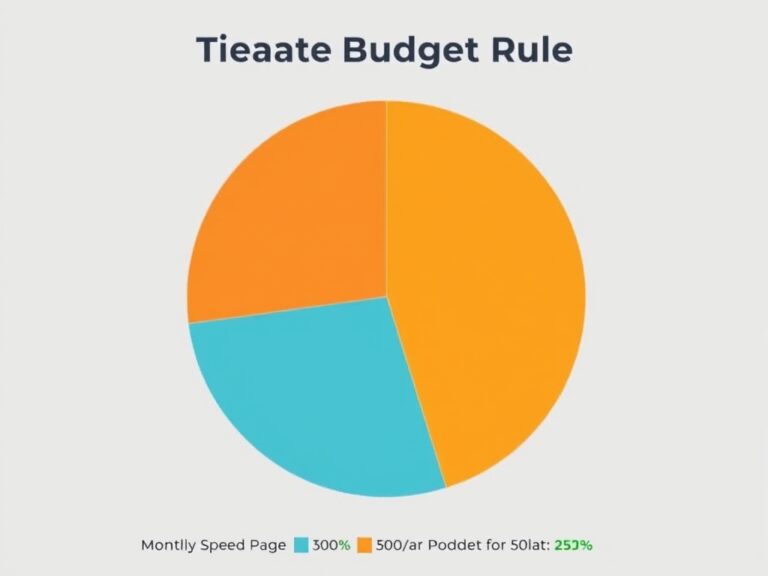
Let’s talk about the backbone of any financial plan: the budget. Many people find the word “budget” restrictive, but I prefer to think of it as a spending plan that gives you permission to spend on what truly matters. A popular and effective approach is the 50/30/20 rule, which allocates 50% to needs, 30% to wants, and 20% to financial goals like debt repayment or investing. Practical financial advice often starts here because without a handle on your cash flow, even a high income can result in zero net worth growth over time. You should leverage digital tools or simple spreadsheets to categorize your expenses and find those “leaks” like unused subscriptions or excessive dining out.
- Needs: Rent, groceries, insurance, and basic utilities.
- Wants: Entertainment, dining out, and travel hobbies.
- Financial Goals: Retirement, emergency funds, and high-interest debt.
By visualizing your spending, you regain total control over your financial narrative and future. This process isn’t about deprivation; it’s about optimization and ensuring your money works as hard for you as you do for it. Every dollar should have a specific job, whether that job is keeping the lights on or growing in a brokerage account for retirement. Once you master this flow, you’ll find a sense of peace that no impulse purchase can ever provide to you. This level of organization is what separates the financially stable from those who are perpetually stressed about bills. You deserve to know exactly where your money goes without any guesswork involved.
📈 Wealth Building: Savvy Investing Strategies for Long-Term Growth
Moving beyond just saving, let’s explore the world of investing strategies to grow your wealth exponentially over the coming decades. Investing is the engine that drives financial independence, allowing your money to benefit from the magic of compound interest while you sleep. For most people, a “set it and forget it” strategy using low-cost index funds or ETFs is the most effective way to capture market returns. Diversification is your best friend here, as it spreads risk across different sectors and asset classes to protect your portfolio from extreme volatility.
- Broad-market Index Funds & ETFs for stability.
- Real Estate Investment Trusts (REITs) for passive income.
- Tax-Advantaged Accounts like a 401k or a Roth IRA.
It’s crucial to understand your unique risk tolerance and time horizon before diving headfirst into the stock markets. If you’re young, you can afford to be more aggressive with equities; as you approach retirement, shifting toward bonds might be wiser. Don’t let market fluctuations scare you into selling low; stay the course and keep contributing consistently through dollar-cost averaging. High-level insights suggest that time in the market beats timing the market every single time for individual investors. By starting as early as possible, you give your assets the decades they need to snowball into a significant nest egg. Patience is the greatest asset any investor can possess during their wealth-building journey.

🛡️ Debt Destruction: Managing Liabilities and Boosting Your Credit
We cannot discuss smart money moves without addressing the elephant in the room: debt management and reduction. Not all debt is created equal, and distinguishing between “good” debt and “bad” debt is a hallmark of practical financial advice. Good debt, like a low-interest mortgage or a student loan for a high-ROI degree, can actually be a tool for wealth leverage. However, high-interest consumer debt, specifically credit cards, is a primary wealth killer that should be eliminated with extreme prejudice and speed. Strategies like the Debt Snowball (paying smallest balances first) or the Debt Avalanche (targeting highest interest rates) are both highly effective tools.
- Check your credit score regularly for any errors or fraud.
- Negotiate with your creditors for lower interest rates today.
- Avoid taking on any new debt while paying off the old.
Maintaining a high credit score is essential because it lowers the cost of future borrowing for big purchases. Remember, interest is something you want to earn, not something you want to pay to a large bank every month. By clearing your liabilities, you free up more cash flow to pivot back into your core investing strategies and goals. This phase of the journey is about cleaning the slate so you can build your financial house on a rock-solid foundation. You will feel a massive weight lifted off your shoulders once those balances finally hit zero.

🔒 Future-Proofing: Money Management Tips for Long-Term Security
Finally, let’s look at future-proofing your life and protecting everything you have worked so hard to build over the years. Money management isn’t just about the numbers on a screen; it’s about the security and peace of mind those numbers provide for you and your family. An emergency fund consisting of three to six months of total expenses is non-negotiable, acting as a buffer against job loss. Smart money moves also include having the right insurance coverage—life, health, and disability—to prevent a single catastrophe from wiping out your progress.
- High-Yield Emergency Fund (3-6 months of expenses).
- Term Life Insurance for comprehensive family protection.
- Will and basic Estate Planning documents for your heirs.
You should also regularly review your beneficiaries and ensure you have a basic estate plan or will in place to guide your family. It might seem somber, but it’s the ultimate act of care and responsibility for the people you love most. As you move through different stages of life, your financial needs will naturally evolve, so make it a habit to audit your plan. Consistency, protection, and continuous learning are the ultimate keys to achieving long-term success in your personal finances. With these tools in your belt, you’re not just managing money; you’re designing a life of absolute freedom and opportunity. Your future self will thank you for the hard work you are putting in today.