

Practical Financial Advice: Smart Investing and Money Management Strategies
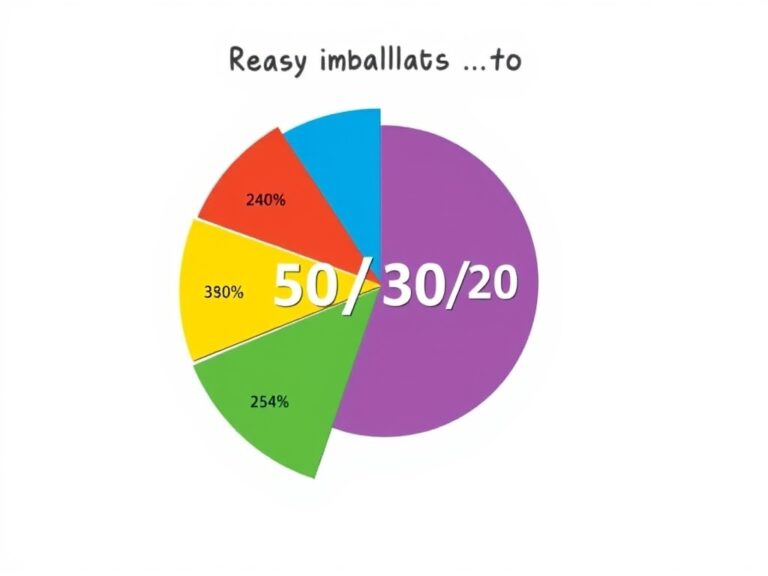
Welcome to the start of your journey toward mastering Practical Financial Advice and achieving true fiscal freedom! 🚀 Money management isn’t just about crunching numbers; it’s about aligning your spending with your core values and long-term goals. To kick things off, you need a rock-solid foundation, which starts with a realistic budget that actually works for your lifestyle. Many experts recommend the 50/30/20 rule to simplify your planning:
- 50% of income for essential Needs
- 30% of income for personal Wants
- 20% of income for Savings and Debt
This simple framework ensures you’re covering the essentials while still enjoying your hard-earned cash today. Tracking your expenses is vital because it reveals those hidden ‘money leaks’—like that forgotten subscription or daily gourmet coffee—that quietly drain your bank account. By using tools like spreadsheets or mobile apps, you gain a clear visual of where every dollar goes. Remember, the goal isn’t to restrict yourself but to empower your future self with better choices. Once you master cash flow, you’ll feel a sense of control that reduces stress and builds confidence. Consistency is the secret sauce that turns a basic budget into a powerful wealth-building engine. Are you ready to see your bank balance grow by simply paying attention to the details? Let’s dive deeper into how you can protect that foundation.
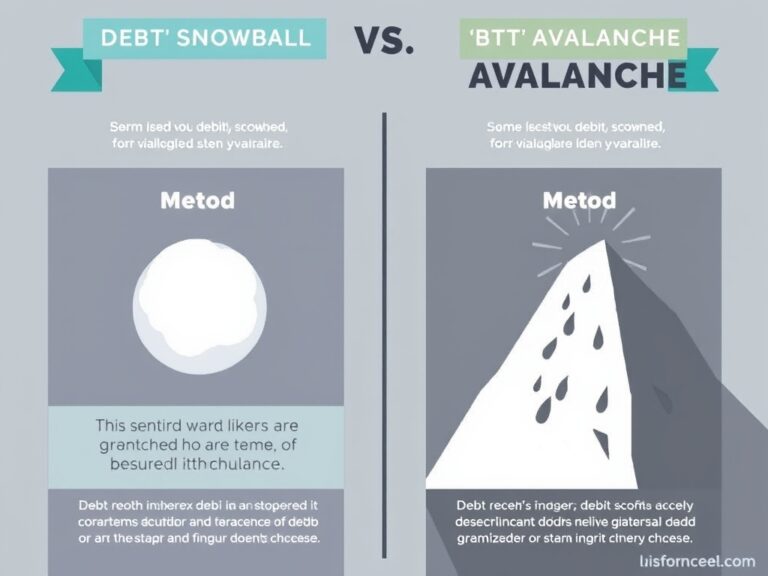
Now that your budget is set, let’s talk about the two biggest hurdles: debt and lack of savings. 🛡️ Think of an emergency fund as your financial insurance policy against life’s unexpected curveballs. Ideally, you want to stash away three to six months of living expenses in a high-yield savings account. This safety net prevents you from dipping into your investments or using credit cards when the car breaks down. Speaking of credit cards, tackling high-interest debt is an absolute priority for smart money management. Use strategies like the ‘Debt Avalanche’ or ‘Debt Snowball’ to gain momentum.
- Debt Avalanche: Paying off highest interest rates first.
- Debt Snowball: Paying off smallest balances first for psychological wins.
These methods help you systematically eliminate high-interest balances while building a small starter emergency fund simultaneously. You should strictly avoid taking on new consumer debt while you are in the process of paying down existing loans. High interest is a wealth killer that works against you 24/7, eating away at your potential net worth. By clearing these hurdles, you stop paying for your past and start investing in your future growth. It might feel like a slow process, but the psychological relief of being debt-free is truly immeasurable. Your money should be working for you, not for the bank’s bottom line. Secure your base first, and then we can move to the exciting world of growth together.
Let’s shift gears to the most exciting part of Practical Financial Advice: making your money grow through smart investing! 📈 The most powerful tool at your disposal is compound interest, which Albert Einstein famously called the eighth wonder of the world. When you invest early, your returns generate their own returns, creating an exponential growth curve over decades. You don’t need to be a Wall Street pro; a simple strategy involving low-cost index funds or ETFs is often the most effective path. Diversification is key to managing risk, so ensure your portfolio includes a mix of assets:
- Domestic and International Stocks
- Government and Corporate Bonds
- Real Estate Investment Trusts (REITs)
Avoid the temptation to ‘time the market’ because it is almost impossible to do consistently over many years. Instead, practice dollar-cost averaging by investing a fixed amount regularly, regardless of current market price fluctuations. This discipline helps you buy more shares when prices are low and fewer when they are high. Understanding your unique risk tolerance is crucial before you dive headfirst into volatile assets like individual stocks or crypto. Long-term wealth is built through patience and the steady accumulation of productive, income-generating assets. Even small monthly contributions can balloon into a significant nest egg over twenty or thirty years of consistent saving. Start today, because time is the one resource in your financial life that you can never get back once it is gone. Your future self will thank you for the seeds of wealth you decide to plant right now.

Finally, let’s discuss the psychology of money and how to maintain these strategies over a lifetime. 🧠 Successful investing is often more about behavior and temperament than it is about raw mathematical intelligence. It’s easy to stay the course when the market is up, but true money management strategies are tested during downturns. Avoid making emotional decisions based on sensationalist headlines or temporary market dips that cause panic. Automating your finances is one of the smartest moves you can make to remove human error and emotion from the equation. Set up automatic transfers to your savings, retirement accounts, and investment portfolios every single payday. Key habits for long-term success include:
- Reviewing your portfolio once or twice a year.
- Rebalancing your assets to maintain your target risk level.
- Increasing your savings rate whenever you get a raise.
Education is an ongoing process, so keep reading and learning about new financial instruments and economic trends. Wealth isn’t just about the number in your bank account; it’s about the security and freedom that money provides. By staying disciplined and focused on the big picture, you are well on your way to total financial independence. Remember, this is a marathon, not a sprint, so remember to celebrate your milestones along the way!