

Master Your Money: Practical Financial Advice, Smart Investing & Money Management Tips
Step 1: Establishing Your Financial Mastery Mindset
Welcome to the journey of mastering your finances and securing your long-term future. It’s not just about crunching numbers; it’s about the freedom and peace of mind those numbers provide for your lifestyle. Money management is a skill anyone can learn with the right approach and a positive mindset. First, you need to shift your perspective from mindless spending to intentional wealth building. Think of every dollar as a little soldier working tirelessly for you rather than against you. Financial success starts with clear goals and a vivid vision for your future self. Do you want to travel the world, retire early, or buy a beautiful home for your family? 🚀 This foundation is absolutely crucial for everything that follows in your personal wealth-building journey. You aren’t just saving pennies; you are buying back your time and future options. Let’s dive into the practical steps that make this financial dream possible for anyone willing to try. Remember, consistency is the secret sauce to wealth that many people often overlook in the beginning.
- Define your “why” before you even look at your bank account balances.
- Track where every cent goes for thirty days to understand your habits.
- Set small, achievable milestones to stay motivated during the process.
This approach ensures you stay focused on the long-term prize of total independence.
Step 2: Practical Budgeting and Expense Tracking
Now, let’s talk about the backbone of wealth: smart budgeting and diligent tracking. Many people view a budget as a cage, but it’s actually a map to freedom and choice. 📊 I recommend the 50/30/20 rule to keep your monthly spending simple and highly effective. You allocate 50% of income to needs, 30% to wants, and 20% to savings or debt repayment. Automating your finances is the easiest way to ensure you stick to this plan effortlessly every month. Use modern apps like Mint or YNAB to categorize your spending in real-time for better visibility.
- Needs: Rent, groceries, utilities, and essential insurance premiums.
- Wants: Dining out, hobbies, and digital streaming subscriptions.
- Savings: Strategic investing, emergency funds, and extra debt payments.
By giving every dollar a job, you eliminate the stress of wondering where your money went. Review your budget at the end of each month to see where you can optimize. Small cuts in daily habits, like that extra latte, add up to thousands over a single year. It’s about being intentional with your resources rather than being reactive to incoming bills. Once you master the flow of your cash, you gain incredible peace of mind daily. High SEO value comes from using terms like monthly expense tracking naturally within your routine.

Step 3: Building Your Safety Net and Managing Debt
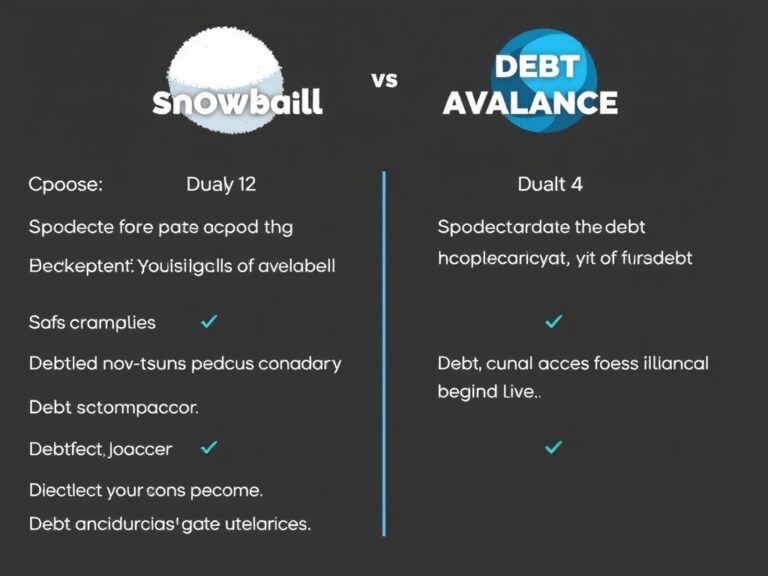
Before you start aggressive investing, you must secure your financial perimeter with a strong safety net. 🛡️ Building an emergency fund is your first line of defense against life’s unexpected financial surprises. Aim for three to six months of living expenses in a high-yield savings account for accessibility. Next, we have to tackle the “wealth killer” known as high-interest debt from credit cards. Debt management involves choosing a strategy like the Debt Snowball or the Debt Avalanche to gain momentum. The Snowball method focuses on psychological wins by paying off the smallest balances first to gain confidence.
- Identify all debts and their specific interest rates immediately to see the big picture.
- Prioritize payments based on your chosen strategy and your monthly budget constraints.
- Avoid taking on new debt while paying off the old balances to break the cycle.
The Avalanche method saves you the most money by targeting high interest rates first. Both methods work; the key is picking one and sticking to it religiously every single month. Eliminating debt is like giving yourself an immediate, guaranteed return on your investment capital. Once the debt is gone, that monthly payment becomes investment capital for your future growth. Your future self will thank you for the discipline you show today with your debt.
Step 4: Strategic Investing for Exponential Growth
Now we get to the exciting part: smart investing and growing your wealth exponentially over time. Investing is not gambling; it is the process of putting money into assets that appreciate. 📈 The magic of compound interest is your greatest ally in this long financial journey. Even small amounts invested early can grow into a massive nest egg due to the power of time. Diversification is essential to protect your portfolio from market volatility and unnecessary risk factors.
- Low-cost Index Funds: Great for broad market exposure and very low management fees.
- Stocks: Higher risk but potential for significant long-term capital growth.
- Bonds: Provide stability and regular interest income for your balanced portfolio.
Don’t try to time the market, as “time in the market” beats “timing the market” always. Consider using a dollar-cost averaging strategy to smooth out your asset purchase prices. Rebalance your portfolio annually to ensure your asset allocation stays on the right track. Research tax-advantaged accounts like a 401(k) or an IRA to keep more of your gains. Knowledge is power, so keep reading books and staying informed about various market trends. Start as soon as possible, even if it is only fifty dollars a month initially. 💎 This is how ordinary people become extraordinary millionaires through patience and strategy.

Step 5: Planning for Long-Term Success and Security
Finally, let’s look at the big picture and financial planning for the long haul. Mastering your money isn’t a one-time event; it’s a lifelong habit of mindfulness and action. 🏁 You should regularly update your financial goals as your life circumstances change over time. Whether you’re planning for retirement, a child’s education, or early independence, have a clear roadmap. Protection is also key, so don’t overlook the importance of adequate insurance coverage for your assets.
- Update your will and estate plan periodically to reflect your current wishes.
- Review your insurance policies to ensure you aren’t overpaying for coverage.
- Keep learning about new financial tools and opportunities in the market.
Surround yourself with a community or a financial advisor who supports your long-term growth. Wealth is not just about the size of your bank account, but the quality of your life. 🌟 Use your money to create experiences and security for those you love most. You have the tools, the knowledge, and the power to change your financial destiny. Take that first step today, no matter how small it might seem to you right now. You are now on the path to total financial mastery and a brighter future.