
Practical Financial Advice: Smart Investing Strategies & Money Management Tips
Building Your Financial Foundation
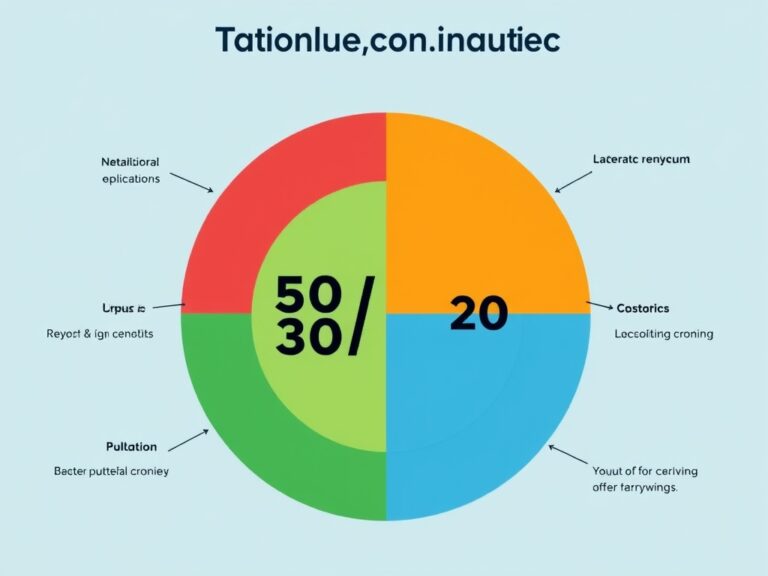
Welcome to your journey toward financial empowerment! 💰 Managing your money effectively isn’t just about complex math; it’s about gaining the freedom to live life on your own terms. The first step in any successful money management plan is understanding exactly where your dollars are going each month. Budgeting serves as your essential roadmap, helping you navigate between your necessary expenses and your lifestyle desires. We recommend utilizing the 50/30/20 rule: allocate 50% of your income to needs, 30% to wants, and 20% to savings and debt repayment. Consistency is far more important than intensity when you are just starting out. Small, mindful changes in your daily spending habits will inevitably lead to massive results over time.
- Track every single expense for at least thirty days to identify leaks.
- Automate your savings transfers so you pay yourself first every payday.
- Audit your recurring subscriptions and cancel anything you no longer use.
Smart money management begins with a simple but profound shift in your daily perspective. You should view yourself as the CEO of your household finances, treating every dollar like an employee that needs a specific job. Don’t let lifestyle creep steal your hard-earned progress as your salary increases over the years. Instead, keep your fixed overhead low while keeping your long-term goals high on your priority list. Remember that financial literacy is truly the highest-yielding investment you will ever make for your future self.
The Shield and the Sword: Savings and Debt
Before you can dive headfirst into the stock market, you must build a robust safety net to protect your progress. 🛡️ An emergency fund is an absolute non-negotiable component of a healthy financial life, ideally covering three to six months of basic living expenses. This liquid cash cushion protects you from life’s inevitable curveballs, such as unexpected medical bills or sudden job transitions. Simultaneously, you must develop a strategic plan to tackle “bad” debt, particularly high-interest credit cards that erode your wealth.
- Prioritize paying off high-interest debt first using the interest-saving ‘avalanche’ method.
- Keep your total credit utilization below thirty percent to maintain a healthy credit score.
- Avoid taking on new consumer debt for depreciating assets like luxury cars or electronics.
Debt can be a useful tool, but if it is managed incorrectly, it quickly becomes a dangerous financial trap. Focus on building liquidity first so that you never feel forced to sell your long-term investments during a market downturn. Once your high-interest debt is eliminated, you can pivot those monthly payments directly into your investment accounts. This psychological shift from paying interest to earning interest is where your real wealth begins to accelerate. Staying disciplined during this phase pays off in the form of total financial peace for decades to come.

Investing 101: Making Your Money Work for You
Now that your foundation is secure, let’s explore smart investing strategies that can truly move the needle for your net worth. 📈 You don’t need to be a professional Wall Street trader to build significant wealth; you simply need a plan and a lot of patience. Diversification is your best friend in this journey, as it allows you to spread your risk across various global sectors and different asset classes. Consider using low-cost index funds that track the total stock market to achieve consistent, long-term growth without high fees. Compound interest is often called the eighth wonder of the world, but it requires significant time to perform its best miracles.
- Start investing as early as humanly possible to maximize your potential for compound growth.
- Always reinvest your dividends to keep the wealth-building ‘snowball effect’ moving faster.
- Ignore the daily noise of the news; time in the market is much more important than timing the market.
Dollar-cost averaging allows you to buy more shares when prices are low and fewer when prices are high automatically. Avoid the temptation of chasing the latest ‘meme’ stocks or volatile get-rich-quick schemes that often lead to losses. Focus your energy on acquiring high-quality assets that have a proven historical track record of generating value. Investing is a marathon, not a sprint, so keep your eyes fixed firmly on the distant finish line.

Optimizing Your Portfolio for Maximum Returns
To take your finances to the next level, you must understand the critical importance of tax efficiency and account selection. 🏦 Utilizing tax-advantaged accounts like a 401(k), IRA, or HSA can save you hundreds of thousands of dollars over a lifetime. You should always maximize your employer match if one is offered, as that represents a guaranteed 100% return on your money. Your asset allocation should be carefully tailored to your specific age, goals, and personal risk tolerance.
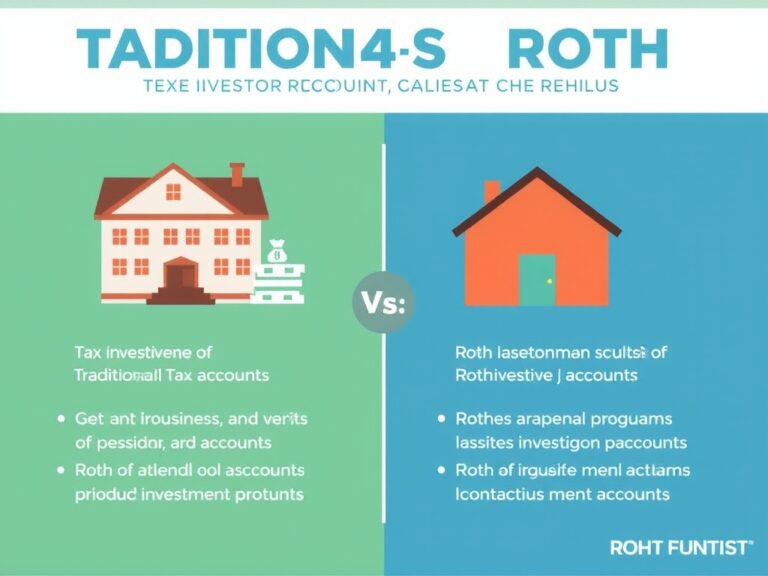
- Contribute to a Roth IRA to enjoy tax-free withdrawals during your retirement years.
- Utilize a Health Savings Account (HSA) as a powerful triple-tax-advantaged investment vehicle.
- Rebalance your investment portfolio annually to ensure you maintain your target risk levels.
Staying organized with your financial documents makes tax season much less stressful and prevents costly oversight. Research the concept of ‘tax-loss harvesting’ to offset your capital gains with losses if you hold a taxable brokerage account. Every single dollar you save in taxes is an extra dollar that can continue growing for your benefit. Deep knowledge of the tax code is a powerful lever that high-net-worth individuals use to accumulate wealth. Proper planning today ensures that Uncle Sam doesn’t take more than his fair share of your future hard-earned nest egg.
Securing Your Future: The Long Game
Finally, let’s focus on the psychology of money and the habits required for long-term sustainability. 🧠 It is incredibly easy to get excited at the start of your journey, but staying the course during market volatility is the real test. Avoid emotional selling when the headlines look grim, as the market has historically recovered from every single downturn. Surround yourself with educational resources like high-quality books, podcasts, and reputable financial blogs to keep your motivation high.
- Set specific, measurable, and time-bound (SMART) goals for your financial future.
- Celebrate your small milestones along the way to stay encouraged during the long middle years.
- Regularly adjust your financial plan as your life circumstances and family needs change.
Financial freedom isn’t just about reaching a specific number in your bank account; it’s about having options and mental peace. Generational wealth starts with the small habits you form today and the financial lessons you pass down to those you love. Stay curious, stay disciplined, and never stop learning about the ever-evolving landscape of personal finance. You now have the essential tools and the expert knowledge required—it is officially time to take decisive action. Your future self will look back and thank you for the hard work and discipline you are putting in today.