
Practical Financial Advice: Smart Investing Strategies & Money Management Tips
💰 Mastering the Basics of Money Management
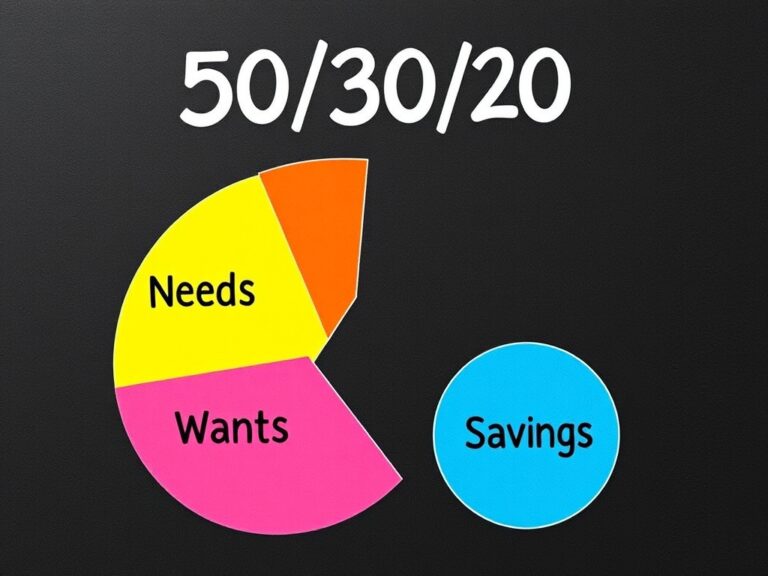
Managing your money shouldn’t feel like a chore; it’s actually the foundation of your future freedom. To get started, you need a solid framework like the 50/30/20 Rule, which simplifies how you view every paycheck. This rule suggests you divide your income as follows:
- 50% for fixed “Needs” like rent and groceries.
- 30% for flexible “Wants” like entertainment and dining out.
- 20% for Savings and aggressive debt repayment.
By categorizing your spending, you stop wondering where your money went and start telling it where to go. It is essential to use tools like tracking apps or simple spreadsheets to keep a close eye on your cash flow. Financial awareness is the first step toward building true wealth over time. Many people struggle because they skip the budgeting phase and jump straight into risky investments. Remember, you cannot build a skyscraper on a swamp; you need a firm ground of money management first. Automating your transfers to your savings account can remove the temptation to spend what you should be saving. This creates a “pay yourself first” mentality that is common among the world’s most successful investors. As you refine your budget, you’ll find hidden leaks in your spending that can be redirected toward your goals. Every dollar you save today is a seed for a tree that will provide shade for you tomorrow. Consistency is far more important than intensity when you are just beginning this journey.
🛡️ Building Your Financial Safety Net
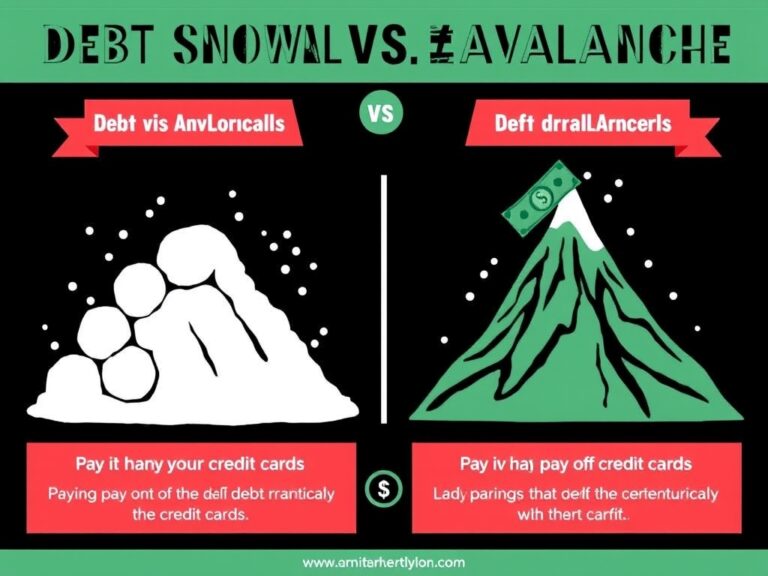
Once your budget is in place, the next priority is creating a safety net known as an Emergency Fund. Life is unpredictable, and having three to six months of expenses tucked away ensures that a car repair or medical bill won’t derail your progress. While building this fund, you must also confront high-interest debt, such as credit card balances, which act like financial anchors. Using strategies like the Debt Avalanche method to pay high-interest first or the Debt Snowball for psychological wins can help you gain momentum. High-interest debt is essentially a “negative investment” that eats away at your net worth every single month. Improving your credit score during this time will also save you thousands in future interest costs on mortgages or car loans. It is vital to avoid taking on new debt while you are trying to clear the old ones. Discipline in this area is what separates the wealthy from those who are perpetually “broke.” Think of your emergency fund as insurance for your peace of mind rather than just a bank balance. Having cash on hand allows you to make calm, rational decisions when others are panicking. Once your high-interest debt is gone and your fund is full, you are officially ready to enter the world of investing. This foundation protects your future investments from being liquidated during an unexpected crisis.
📈 Smart Investing Strategies for Long-Term Growth
Transitioning into Smart Investing Strategies is where the real excitement begins as your money starts working for you. The most powerful tool at your disposal is Compound Interest, which Albert Einstein famously called the eighth wonder of the world. To maximize this, you need to diversify your portfolio across different asset classes like stocks, bonds, and real estate. Diversification reduces your overall risk because it ensures that one bad sector won’t wipe out your entire life savings. Many investors fail because they let their emotions drive their decisions during periods of market volatility. When prices drop, it’s often a “sale” for long-term investors, not a reason to panic sell. You should aim for a mix of assets that aligns with your age and your specific tolerance for risk. Younger investors can generally afford to be more aggressive with equities, while those near retirement should favor stability. Educating yourself on the difference between ETFs and mutual funds can save you significant amounts in management fees. Remember that investing is a marathon, not a sprint, and patience is your greatest asset. Your goal should be “wealth accumulation” rather than “get rich quick” schemes. Consistent contributions to your portfolio will yield incredible results over the decades. Always keep your long-term goals in focus even when the daily news cycle is discouraging.
🏦 Optimizing Your Future with Tax-Advantaged Accounts
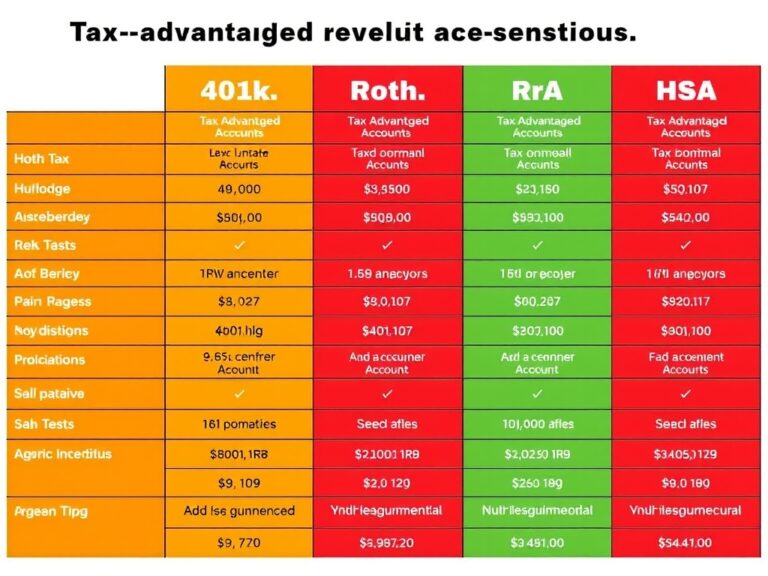
Finally, you must optimize your strategy by using Tax-Advantaged Accounts to keep more of your hard-earned gains. Accounts like a 401(k) or a Roth IRA offer significant benefits, such as tax-deductible contributions or tax-free withdrawals in retirement. If your employer offers a “match” on your contributions, you should prioritize this as it is essentially a 100% return on your money. Understanding the nuances of these accounts is a crucial part of expert-level money management. Financial independence isn’t just about having a certain number in the bank; it’s about having the freedom to choose how you spend your time. As you grow your wealth, continue to stay curious and learn about new financial instruments and economic trends. However, never invest in something you do not fully understand, regardless of how popular it seems to be. Reviewing your financial plan at least once a year will help you stay on track with your changing life goals. Surround yourself with high-quality information and perhaps a fee-only financial advisor if your situation becomes complex. By following these practical financial tips, you are setting yourself up for a life of security and abundance. Your future self will thank you for the smart decisions and the discipline you are exercising today. Success in finance is 20% head knowledge and 80% behavior, so stay the course and remain disciplined. Building wealth is a journey of a thousand miles, but you have already taken the first and most important step.