
Unlock Financial Success: Practical Advice, Smart Investing & Money Management
Step 1: Building a Wealth Mindset for Success
Welcome to the journey of unlocking your financial success, where we transform your relationship with money from a source of stress into a tool for freedom. Financial success isn’t just about having a large bank balance; it’s about the peace of mind that comes with knowing your future is secure. To start, you must cultivate a wealth mindset that prioritizes long-term gains over short-term gratification. Many people believe that high income is the only path to wealth, but the truth is that effective money management is the real secret sauce. Have you ever wondered why some high earners live paycheck to paycheck while others with modest salaries retire early? It often comes down to their daily habits and their ability to differentiate between assets and liabilities. In this guide, we will explore practical advice that you can implement today to start building your legacy. We’ll cover everything from the basics of budgeting to the complexities of smart investing. My goal is to make these concepts easy to understand so you feel empowered to take action. Let’s dive into the core principles of wealth building that actually work in the real world. Remember, the best time to start was yesterday, but the second best time is right now. You have the power to change your financial trajectory starting today.

Step 2: Mastering Your Cash Flow and Budgeting
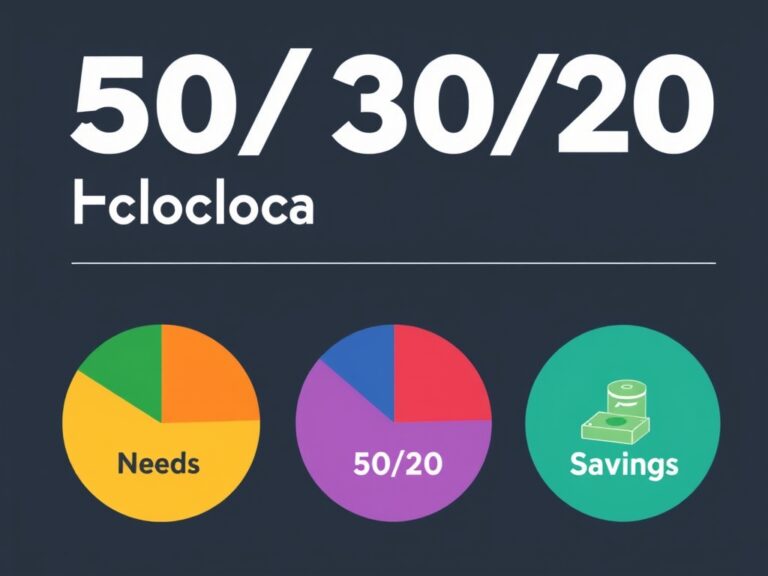
Before you can master the art of investing, you need to have a solid grip on your monthly cash flow through disciplined budgeting. A budget isn’t a restriction on your life; rather, it’s a strategic roadmap for your money’s destination. One of the most effective methods is the 50/30/20 rule, which simplifies your spending into three clear categories:
- 50% for Needs: Essential costs like housing, groceries, and utilities.
- 30% for Wants: Discretionary spending such as dining out or hobbies.
- 20% for Savings and Debt: Building your emergency fund and paying off high-interest loans.
Managing your money this way ensures that you are always paying yourself first. It is also vital to use modern tools like expense tracking apps to identify where your hard-earned cash is leaking. If you have high-interest debt, like credit cards, that should be your first target because interest is the enemy of wealth accumulation. Think of your emergency fund as a financial shock absorber that keeps you from falling back into debt when life happens. Once your debt is manageable and you have a safety net, you can transition from saving to true wealth creation. Consistency is the absolute key to making this structure work over the long haul for your family. Every dollar you save today is a seed planted for your future financial forest of prosperity. You are building a fortress for your future self, one brick at a time.
Step 3: The Power of Smart Investing and Compound Interest
Now that your foundation is solid, it’s time to talk about smart investing, which is essentially making your money work as hard for you as you work for it. The magic of investing lies in compound interest, which Einstein famously called the eighth wonder of the world. By reinvesting your earnings, you generate even more earnings, creating a snowball effect that grows exponentially over time. You don’t need to be a Wall Street expert to get started; in fact, simple strategies often outperform complex ones. Consider looking into low-cost Index Funds or ETFs that track the overall market, as they provide broad exposure with minimal fees. It is also important to take advantage of tax-advantaged accounts like a 401(k) or an IRA, which provide significant long-term benefits. Don’t let market volatility scare you away from your long-term goals or your commitment to the process. History shows that the market tends to trend upward over decades, despite any short-term fluctuations we might see. The biggest risk is often not taking any risk at all by leaving your money in a low-interest savings account. Inflation eats away at the value of cash over time, making investing a necessity for preserving purchasing power. Start small if you have to, but start as soon as possible to maximize your time in the market. Education is your best asset, so keep learning about different investment vehicles and how they fit your plan.

Step 4: Diversification and Protecting Your Wealth
As your portfolio grows, understanding the principle of diversification becomes crucial to protecting your hard-earned wealth. Diversification is the strategy of spreading your investments across different asset classes—such as stocks, bonds, and real estate—to reduce risk. If one sector of the economy takes a hit, your other investments can help balance out the losses, providing a much smoother ride. You should also consider your risk tolerance, which is your ability and willingness to lose some money in exchange for potentially greater returns. Younger investors can usually afford to be more aggressive because they have more time to recover from market downturns. Conversely, as you approach retirement, you may want to shift toward more conservative assets to preserve your capital. Regularly rebalancing your portfolio is another expert tip that many successful investors use to stay on track. This means selling some of your high-performing assets to buy more of the underperforming ones to maintain your target allocation. This forced ‘buy low, sell high’ strategy keeps your investment plan on track without any emotional interference. It’s easy to get caught up in the hype of the ‘next big thing,’ but sticking to a diversified plan is usually more profitable. Discipline and patience are the specific traits that separate successful investors from the rest of the pack. Always keep an eye on your long-term horizon rather than focusing on the daily news cycle’s noise.

Step 5: Building Passive Income and Future-Proofing
Unlocking total financial success often involves looking beyond traditional stocks and bonds to create multiple streams of passive income. Passive income is money earned with minimal ongoing effort, such as rental income from real estate, dividends from stocks, or royalties from digital products. Building these streams takes significant upfront work or capital, but they provide the ultimate form of financial security and freedom. Additionally, don’t forget the importance of insuring your assets and having a proper estate plan to protect what you’ve built for future generations. Financial success is a marathon, not a sprint, and it requires a commitment to continuous self-improvement and financial literacy. Stay curious, stay informed about tax law changes, and don’t be afraid to consult with a professional financial advisor when things get complex. The habits you form today will determine your lifestyle ten, twenty, or thirty years down the line in the future. We have covered a lot of ground, from budgeting basics to advanced diversification and passive income strategies. Now, the ball is in your court to take the first step toward achieving your specific financial goals. Thank you for joining me on this deep dive into money management and long-term wealth creation. Here is to your prosperous future and the financial freedom that you have worked so hard to achieve! Keep pushing forward and remember that your potential for success is absolutely limitless.