
Practical Money Mastery: Smart Investing Strategies & Financial Management Tips
🌟 The Foundation of Practical Money Mastery
Welcome to the journey of Practical Money Mastery, where we turn complex financial jargon into actionable steps for your success. Have you ever felt like your paycheck disappears before you even get to enjoy it? You’re not alone, but the good news is that mastering your finances is a skill anyone can learn with the right mindset and tools. It starts with understanding that money is a tool to build the life you want, rather than a source of stress. In this guide, we will explore smart investing strategies and financial management tips that actually work in the real world. We’ll dive deep into how you can take control of your cash flow and start making your money work for you instead of the other way around. Transitioning from a consumer mindset to an investor mindset is the first major hurdle to overcome. This shift requires discipline, but the long-term rewards of financial independence are worth every ounce of effort. We will cover everything from basic budgeting to sophisticated wealth-building techniques. By the end of this post, you’ll have a clear roadmap to navigate your financial future with confidence. Let’s embark on this transformative path together and unlock your true financial potential. Your financial freedom starts with the very first step of education and commitment.

📊 Master Your Cash Flow with Expert Financial Management
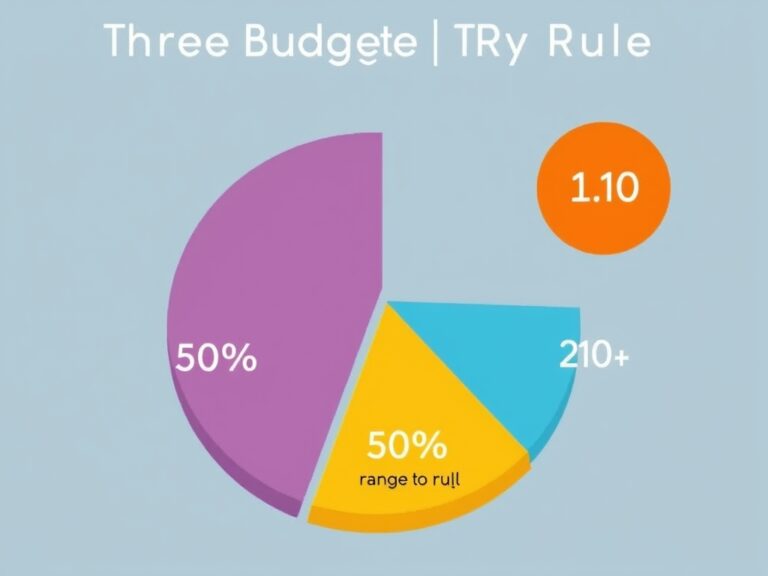
The foundation of any solid financial plan is effective financial management, and that begins with a crystal-clear understanding of your cash flow. You can’t manage what you don’t measure, so start by tracking every dollar that enters and exits your bank account for at least thirty days. Many people find success using the 50/30/20 rule: 50% for needs, 30% for wants, and 20% for savings or debt repayment. It’s crucial to distinguish between ‘good debt’ like a mortgage and ‘bad debt’ like high-interest credit cards. High-interest debt is a wealth-killer, and you should prioritize crushing it before moving on to aggressive investing.
- Automate your savings: Set up a recurring transfer to your savings account on payday.
- Review subscriptions: Cancel those unused streaming services or gym memberships.
- Emergency fund: Aim for 3-6 months of expenses in a liquid account.
By keeping your fixed costs low, you create the ‘margin’ needed to fund your future goals. This disciplined approach ensures you aren’t living paycheck to paycheck and provides a safety net for life’s unexpected turns. Remember, smart spending isn’t about deprivation; it’s about intentionality and prioritizing what truly adds value to your life. Mastering these basics creates the stable ground required for the more exciting world of investing. Consistency in tracking is the secret to long-term behavioral change.
📈 Implementing Smart Investing Strategies for Long-Term Wealth
Once your foundation is secure, it’s time to talk about smart investing strategies that can grow your wealth exponentially over time. The most powerful force in finance is compound interest, which Albert Einstein famously called the eighth wonder of the world. To harness this power, you need to start as early as possible, even if you’re only starting with a small amount of money. Diversification is your best friend when it comes to managing risk, so never put all your eggs in one basket. Asset allocation—the mix of stocks, bonds, and other assets in your portfolio—is the primary driver of your long-term returns. Many experts recommend low-cost index funds or ETFs as a simple yet effective way to gain broad market exposure. Dollar-cost averaging is another brilliant strategy where you invest a fixed amount regularly, regardless of market fluctuations. This helps you avoid the trap of trying to ‘time the market,’ which even professionals find difficult to do. You should also consider your risk tolerance; are you okay with market swings, or do you prefer more stability? Building a portfolio that aligns with your goals and temperament is key to staying invested through the ups and downs. By focusing on the long term, you can ignore the daily noise of the financial news cycle. Your portfolio should be a reflection of your future dreams, not your current fears.

🛡️ Advanced Wealth Building and Risk Management
As you progress in your journey, you’ll want to look at tax-advantaged accounts and sophisticated wealth-building vehicles to maximize your net worth. In many regions, accounts like the 401(k), IRA, or ISA offer significant tax benefits that can boost your total returns significantly over decades. It’s also wise to consider the impact of fees on your investments, as even a small 1% fee can eat away a massive portion of your final balance.
- Rebalance annually: Ensure your asset allocation hasn’t drifted too far from your target.
- Maximize employer matches: Never leave ‘free money’ on the table if your company offers a match.
- Think globally: Don’t limit your investments to just one country’s economy.
Understanding the difference between nominal returns and real returns after inflation is essential for long-term planning. You should also explore different types of assets, such as real estate or alternative investments, once your core portfolio is established. However, always do your due diligence and never invest in something you don’t fully understand. Consistency is the secret sauce that separates successful investors from those who struggle. Keep contributing to your accounts even when the market looks gloomy, as that’s often when the best buying opportunities arise. Your future self will thank you for the foresight and discipline you’re showing today. Protecting your assets is just as important as growing them.
✨ Achieving True Financial Freedom and Security
Finally, true Practical Money Mastery involves protecting what you’ve built and maintaining a holistic view of your financial health. This means having the right insurance coverage in place—health, life, and disability—to ensure a single disaster doesn’t wipe out years of progress. It’s also about regular financial check-ups to see if your goals or lifestyle have changed, requiring a shift in your strategy. Education is an ongoing process, so stay curious and keep reading about market trends and economic shifts. Financial literacy is a lifelong journey, not a destination you reach and then stop. As you see your net worth grow, you might also consider the legacy you want to leave or how you can use your wealth to make a positive impact. Always remember that money is just a means to an end, providing the freedom to pursue your passions and spend time with loved ones. Avoid the comparison trap; your financial journey is unique to you and shouldn’t be measured against someone else’s highlight reel. Stay patient, stay disciplined, and stay focused on your specific ‘why’ for wanting wealth. With these financial management tips and investing strategies, you are well-equipped to navigate any economic climate. You have the power to write your own financial story, so make it a great one! Now is the time to take action and turn these insights into your reality.