

Smart Money Moves: Practical Investing & Financial Management Tips
Mastering Your Financial Future: Smart Money Moves for Everyone
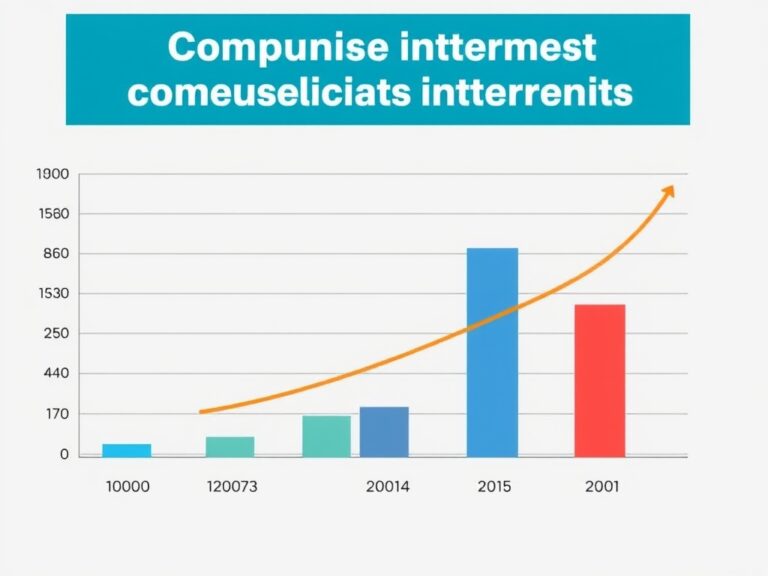
Taking control of your finances is the single most important step toward true freedom, yet it often feels like an overwhelming mountain to climb. Smart money moves aren’t about getting rich overnight or gambling on high-risk stocks; instead, they are about building a solid foundation through consistent, disciplined habits. Start by auditing your current spending habits using a simple spreadsheet or a budgeting app to see exactly where your hard-earned money goes each month. Once you have a clear picture, prioritize high-interest debt repayment, as this acts like a negative investment that eats away at your potential wealth. Create an emergency fund that covers at least three to six months of essential living expenses, acting as a financial shield against life’s unpredictable surprises. By automating your savings, you remove the emotional burden of decision-making and ensure your future self is always paid first. Remember, personal finance is 80% behavior and only 20% math, so focus on developing a mindset that favors long-term gains over instant gratification. As you begin this journey, stay curious and keep learning about the power of compound interest, which is essentially the eighth wonder of the world. Treat your money as a tool that works for you, rather than a master that dictates your daily stress levels.
The Art of Strategic Investing and Wealth Growth
Once you have stabilized your cash flow, the next phase of your financial journey is putting your money to work through strategic investing. Diversification is your best friend here, as it minimizes risk by spreading your capital across various asset classes like index funds, ETFs, and stable dividend-paying stocks.
- Start by utilizing tax-advantaged accounts like a 401(k) or an IRA to maximize your returns.
- Avoid the temptation to time the market, which is a losing game for even the most seasoned financial professionals.
- Focus on a ‘set it and forget it’ approach using dollar-cost averaging, where you invest a fixed amount regularly regardless of market volatility.
This strategy allows you to buy more shares when prices are low and fewer when prices are high, smoothing out your overall cost basis over time. Low-cost index funds are generally the most effective way for individual investors to achieve market-matching returns without the high management fees of actively managed funds. Always keep your investment horizon in mind, as compounding works most effectively over decades rather than months or years. If the market dips, resist the urge to panic-sell, as market corrections are a normal part of the economic cycle. By staying the course, you ensure that you capture the inevitable upswings that build wealth. Keep your strategy simple, transparent, and aligned with your long-term life goals for the best results.
Optimizing Your Financial Management for Stability
Effective financial management requires more than just picking good stocks; it involves protecting what you have and optimizing your recurring costs. Review your insurance policies to ensure you are adequately covered for health, life, and property without being ‘over-insured’ for things you don’t need. Negotiate your bills annually, from internet service providers to insurance premiums, because companies rarely reward loyalty with lower prices unless you ask. Consider the impact of inflation on your savings and ensure your emergency cash is sitting in a high-yield savings account where it can at least keep pace with the cost of living. Keep your financial documents organized in a secure digital or physical space, making it easy to track your net worth and tax obligations throughout the year. It is also wise to set specific financial milestones, such as saving for a home down payment or funding a child’s education, and track your progress monthly. Surround yourself with positive influences, such as financial podcasts or books, to keep your motivation high during the slower phases of growth. Never underestimate the power of living below your means, as the gap between your income and your expenses is the primary engine of your wealth creation. When you spend intentionally on things that bring you value, you avoid the trap of lifestyle inflation that keeps so many people stuck in a cycle of paycheck-to-paycheck living. Take pride in your financial independence journey, as every dollar saved today is an investment in the freedom of your tomorrow.