

Practical Financial Advice: Smart Investing and Money Management Tips
Mastering Your Financial Future: A Practical Guide
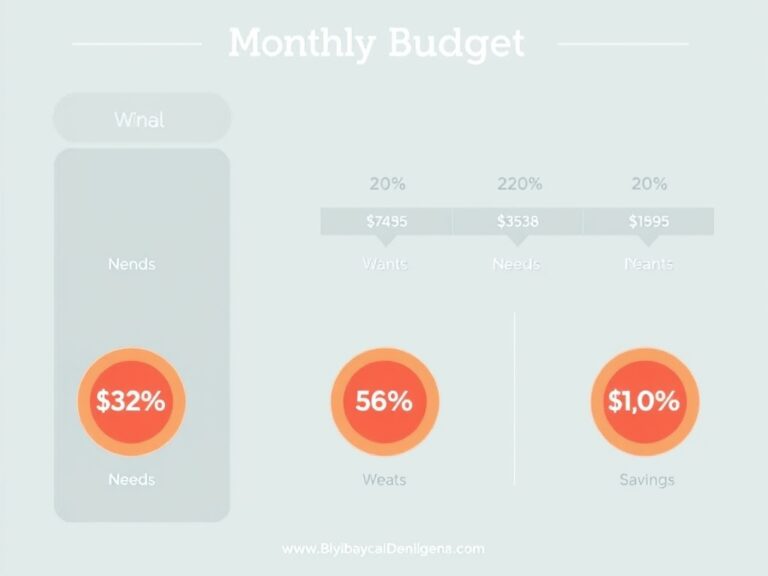
Taking control of your finances might feel overwhelming, but it is truly one of the most empowering steps you can take for your long-term peace of mind. At its core, smart money management is not just about pinching pennies; it is about intentionality and understanding exactly where your hard-earned cash is going each month. To start your journey toward financial freedom, you should begin by tracking every expense for at least 30 days to identify hidden leaks in your budget. Financial clarity is the foundation upon which all successful wealth-building strategies are constructed. You might consider using apps to categorize spending, which provides a high-level view of your habits. Think of this as performing an audit on your personal lifestyle to ensure that your outgoings align with your personal values and goals. Remember, consistency beats intensity; you do not need to be perfect, you just need to be persistent. Establishing this habit will reveal patterns you never noticed before, such as recurring subscriptions or unnecessary impulse buys. Once you have this map of your financial landscape, you are ready to start building a robust plan. Let us dive deeper into the tactics that will turn your savings into a growing asset pool.
The Art of Smart Investing for Beginners
Once your budget is settled, it is time to shift your focus toward smart investing to help your money work for you while you sleep. Many people fear the stock market, but investing is simply the act of allocating resources to generate a future profit.
- Start by building an emergency fund of 3-6 months of expenses.
- Understand your risk tolerance before diving into volatile assets.
- Consider low-cost index funds or ETFs for diversified exposure.
- Automate your contributions so that you invest consistently regardless of market conditions.
- Take advantage of employer-sponsored retirement accounts if they offer a match.
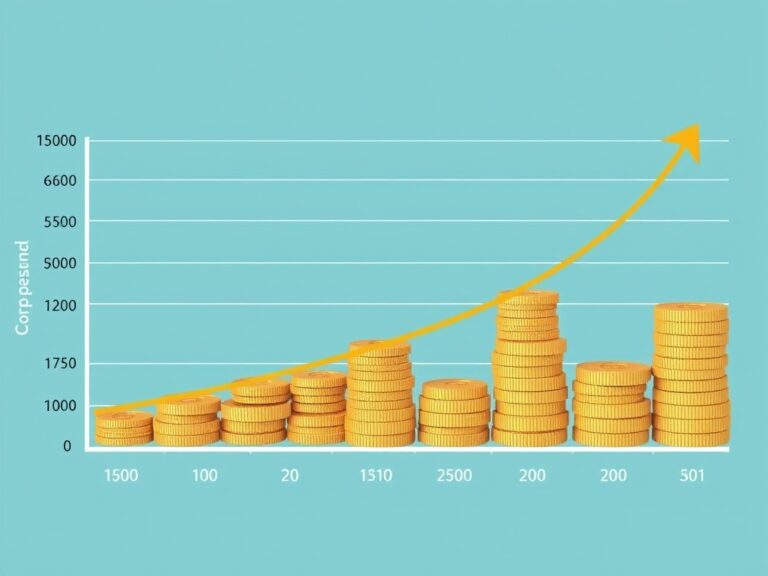
By keeping things simple and focusing on long-term growth, you avoid the trap of trying to time the market. Investing should be boring, steady, and disciplined rather than a high-stakes gamble. You are essentially buying pieces of successful businesses or bundles of assets that have historically trended upward over decades. It is important to stay informed, but do not let daily news cycles dictate your investment strategy. Your goal is to maximize compound interest, which is widely considered the eighth wonder of the world. By starting early and maintaining a long-term horizon, you allow your capital to multiply exponentially through the magic of reinvesting your gains.
Effective Money Management Tips for Daily Success
Beyond investing, daily money management involves subtle lifestyle tweaks that yield massive returns over time. One effective strategy is the ‘Pay Yourself First’ method, where you treat your savings contribution as a non-negotiable bill that gets paid the moment your paycheck arrives. It is also wise to differentiate between ‘good debt’—like a low-interest mortgage—and ‘bad debt’—such as high-interest credit card balances. Eliminating high-interest debt should always be your top priority because it acts as a negative investment that eats away at your net worth. You can use the ‘Debt Snowball’ or ‘Debt Avalanche’ method to pay down balances systematically and regain control. Additionally, look for ways to optimize your taxes by utilizing tax-advantaged accounts like IRAs or HSAs, which can significantly reduce your tax burden. Try to negotiate your recurring bills, such as insurance premiums or internet services, to lower your overhead costs. Living below your means is the single most effective way to ensure you have a surplus to invest in your future. By reducing the lifestyle inflation that often comes with career progression, you accelerate your path toward financial independence. Always keep your long-term objective in view, even when faced with minor everyday temptations.
Staying the Course: Long-Term Financial Health
Finally, achieving lasting financial health requires a mindset shift from ‘spending’ to ‘investing’ in your future self. Consistency and patience are your greatest allies in this journey, especially when the market experiences temporary downturns or life throws an unexpected curveball. Revisit your financial plan at least twice a year to adjust for life changes, such as a new job, a marriage, or the addition of children to your family. Surround yourself with positive influences, whether through books, podcasts, or mentors, who prioritize financial literacy and sustainable growth. Remember that wealth is not just about the numbers in your bank account; it is about the freedom and options those numbers provide for your life. Continue educating yourself on new financial trends, but stay cautious of ‘get-rich-quick’ schemes that promise high returns with little effort. Focus on what you can control, such as your savings rate and the fees you pay on your investments. You are the architect of your own destiny, and with every smart decision you make today, you are building a stronger, more secure foundation for tomorrow. Stay curious, stay diligent, and celebrate the small wins along the way to your ultimate financial destination.