

Practical Financial Advice: Smart Investing & Money Management Tips
Mastering Your Financial Future: Why Smart Investing Matters
Taking control of your finances is one of the most empowering steps you can take, and it starts with understanding that smart investing is not just for the ultra-wealthy. Whether you are just starting your first job or looking to optimize your mid-career savings, building a solid financial foundation is essential for long-term freedom. Money management isn’t about restriction; it is about allocating your resources toward what truly matters to you, like travel, a comfortable home, or an early retirement. Many people find the stock market intimidating, but the reality is that the power of compound interest works best when you start early and stay consistent. By focusing on low-cost index funds and maintaining a long-term perspective, you can minimize risk while growing your wealth steadily over time. It is important to treat your investments like a garden: plant the seeds today, nurture them with regular contributions, and watch them flourish through the cycles of the market. Remember that financial literacy is a journey, not a destination, so stay curious and keep learning. When you view investing as a tool rather than a gamble, you gain the confidence to make decisions that align with your personal goals. Let’s explore how you can simplify your strategy and make your money work harder for you, starting with the fundamentals of budget management.
Building a Rock-Solid Budget That Actually Works
Before you dive into high-level investment strategies, you must master the art of money management through an effective, stress-free budget. The goal is not to track every single penny obsessively, but to gain visibility into your cash flow so you can prioritize your financial health. A popular and highly effective approach is the 50/30/20 rule, which helps you balance your life effortlessly:
- 50% for Needs: Rent, groceries, and utilities.
- 30% for Wants: Dining out, hobbies, and entertainment.
- 20% for Savings & Debt Repayment: Your future self will thank you later.
By categorizing your expenses, you can identify where you might be overspending and pivot those funds toward your high-yield savings or investment accounts. Consider using modern budgeting apps that sync with your accounts to provide real-time updates and clear visual charts of your spending habits. This transparency eliminates the ‘where did my money go?’ mystery and allows you to build an emergency fund that acts as a buffer against life’s unexpected surprises. A well-maintained budget is the cornerstone of financial independence because it ensures that you aren’t living beyond your means while trying to grow your portfolio. Keep it simple, keep it consistent, and you will see your savings rate climb significantly month over month.
Strategic Asset Allocation for Long-Term Growth
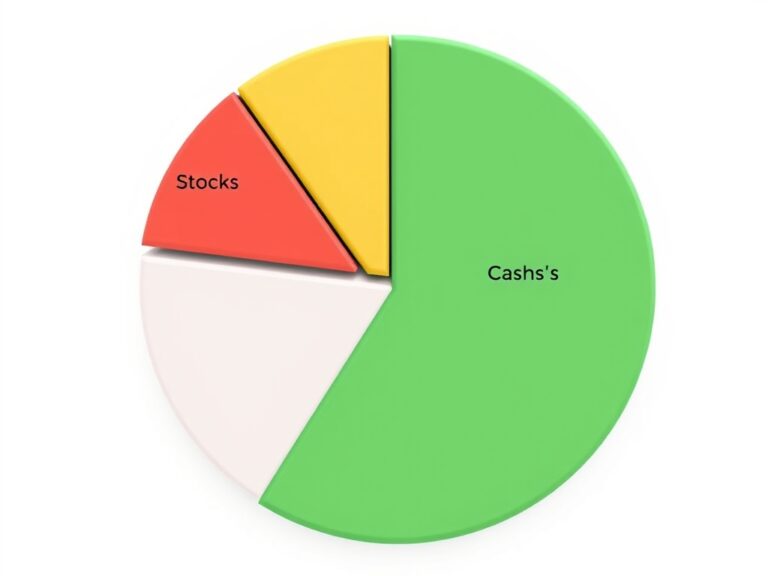
Once your budget is set, it is time to talk about smart investing through the lens of asset allocation, which is essentially deciding how to spread your ‘eggs’ across different ‘baskets.’ The golden rule is diversification, as it protects your portfolio from market volatility by ensuring that a downturn in one sector doesn’t devastate your entire wealth. A balanced portfolio typically includes a mix of:
- Stocks: For long-term growth potential and capital appreciation.
- Bonds: To provide stability and regular interest income.
- Real Estate or ETFs: To add alternative exposure and diversification.
Your specific mix should depend on your age, risk tolerance, and the timeline of your financial goals. For example, if you are younger and have decades until retirement, you might lean more heavily into stocks to capture market growth, whereas approaching retirement usually warrants a shift toward more conservative, income-generating assets. Remember, market timing is a losing game for most retail investors, so stick to a ‘set it and forget it’ strategy through dollar-cost averaging. This method involves investing a fixed amount of money at regular intervals, regardless of whether the market is up or down. By automating your investments, you remove the emotional stress of watching daily price swings and stay disciplined in your commitment to your future. Focus on low-expense ratio funds that mirror the broader market, as high management fees can significantly eat away at your returns over time.
Staying the Course: The Psychology of Successful Investing
Perhaps the most important factor in your success is your ability to maintain emotional discipline when the market hits a rough patch. It is natural to feel panic when stock prices drop, but successful investors know that these fluctuations are just part of the ride. Instead of selling during a correction, try to view market dips as a ‘sale’ where you can acquire more assets at a lower price point. Maintaining a focus on your long-term financial goals will help you tune out the noise from sensationalist news headlines that thrive on fear. Surround yourself with reliable financial resources, read reputable books, and occasionally revisit your plan to ensure it still aligns with your life changes. It is also helpful to have an ‘investment buddy’ or a mentor who keeps you accountable and reminds you why you started this journey in the first place. Remember that your greatest asset is time; every year your money stays invested, the more powerful the compounding effect becomes. Celebrate the small wins, like hitting a certain savings milestone or increasing your contribution percentage by just 1%. If you stay persistent, patient, and logical, you will cultivate the habits that lead to lasting wealth. You have the power to create a secure financial legacy by simply staying consistent and making smart, informed choices today.