

Practical Financial Advice: Smart Investing & Money Management Tips
Mastering Your Financial Foundation
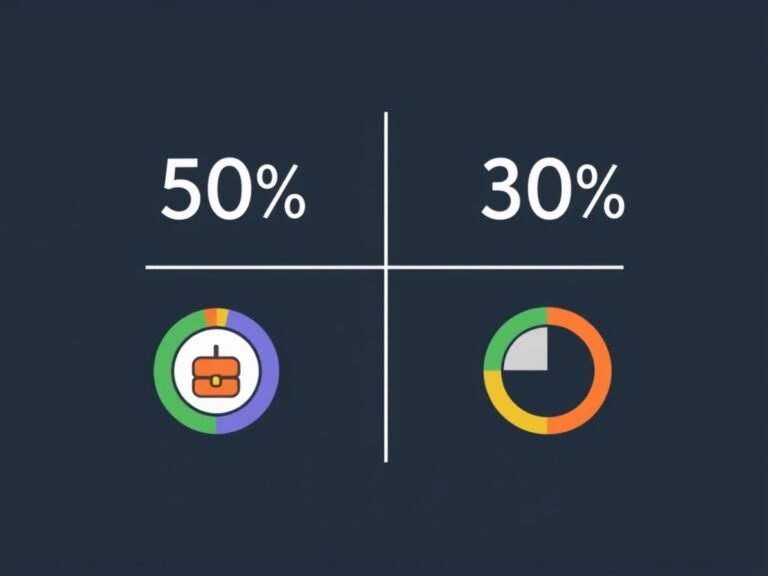
Navigating the world of personal finance can often feel like learning a foreign language, but smart money management is the cornerstone of a stress-free life. It all starts with the basics: tracking your income and expenses to understand exactly where your hard-earned cash is going each month. Consistency is your best friend here, so consider using a simple budgeting app or a classic spreadsheet to stay on track. By setting clear goals—whether it is building an emergency fund or saving for a dream vacation—you give your money a purpose. Remember, you do not need to be a Wall Street tycoon to build wealth; you just need to be intentional. Think of your budget as a roadmap rather than a restriction on your happiness. Start by categorizing your spending into ‘needs’ and ‘wants’ to identify quick wins. Once you have a handle on your cash flow, you will find that managing debt becomes significantly easier. Building this foundation provides the peace of mind needed to start exploring more advanced investment strategies. Keep your focus on small, actionable steps that compound over time for the best results.
The Art of Smart Investing
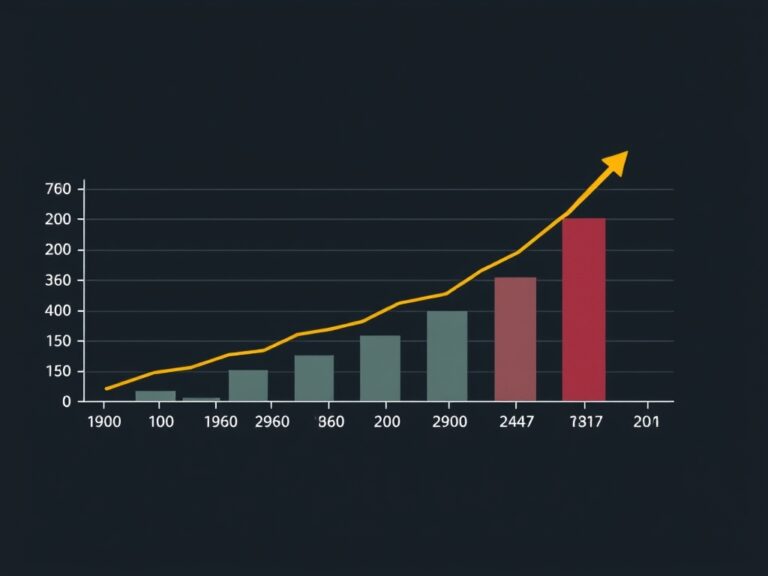
Once your budget is rock-solid, it is time to put your money to work through smart investing. Investing is essentially the process of buying assets that are expected to grow in value over time, such as stocks, bonds, or index funds.
- Compound interest is your secret weapon for exponential growth.
- Diversification helps protect your portfolio from market volatility.
- Time in the market beats timing the market, every single time.
Many beginners feel overwhelmed by complex market jargon, but you really only need to understand a few core principles to succeed. Low-cost index funds are often the best starting point because they offer broad market exposure with minimal fees. It is crucial to remember that investing is a marathon, not a sprint, so try to avoid reacting emotionally to short-term market dips. Always conduct your own research, and consider consulting a financial advisor if your situation becomes complex. By automating your contributions, you ensure that your investments grow steadily without requiring constant attention. Your future self will certainly thank you for starting this journey today.
Tax-Advantaged Strategies for Growth
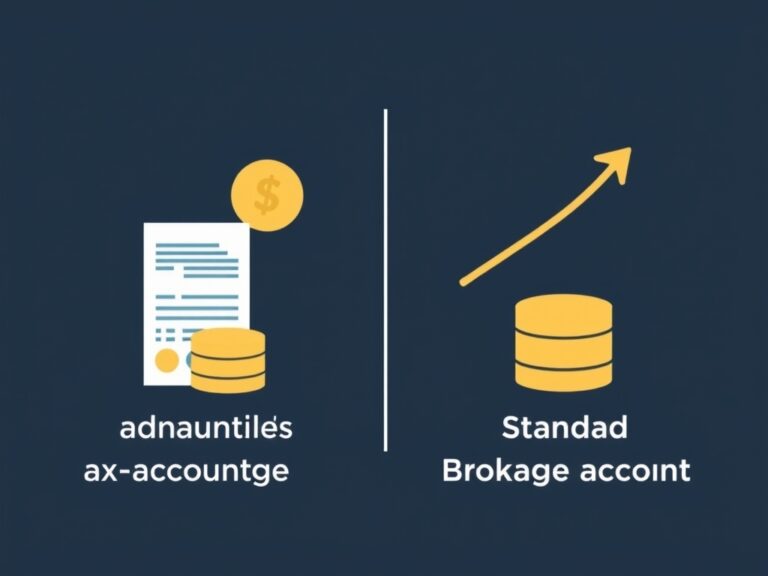
To truly optimize your wealth, you should take full advantage of tax-advantaged accounts like 401(k)s and IRAs. These vehicles are designed to help you save for the long term while minimizing the amount of money you lose to taxes each year. If your employer offers a 401(k) match, prioritize that immediately; it is essentially free money that instantly boosts your return on investment. Furthermore, understanding the difference between Traditional and Roth accounts is essential for your long-term money management plan. Roth accounts allow for tax-free withdrawals in retirement, which can be an incredibly powerful tool if you expect to be in a higher tax bracket later. Pro tip: always max out these contributions whenever possible to maximize the power of tax-deferred growth. Keep a close watch on annual contribution limits to ensure you are fully utilizing these benefits. By strategically allocating your funds across these accounts, you create a more resilient and efficient financial profile. Educating yourself on these specific tax rules is a hallmark of an expert investor. Consistency here will pay off significantly when you eventually decide to retire.
Cultivating a Wealth-Building Mindset
Beyond the technical side of finance, your mindset plays a massive role in your ultimate success. Cultivating a wealth-building mentality involves shifting your focus from instant gratification to long-term reward. It is about living below your means without sacrificing your joy, allowing you to prioritize your future independence. Avoid the trap of lifestyle inflation, where your spending rises every time you receive a pay increase. Instead, try to invest that extra income into your assets or high-yield savings. Stay curious and continue reading about economic trends, but be wary of get-rich-quick schemes that promise unrealistic returns. Developing healthy habits, such as reading financial literature or reviewing your goals quarterly, will keep you motivated. Ultimately, financial freedom is not just about the numbers in your bank account; it is about having the autonomy to make choices that align with your values. Keep your eyes on the horizon, celebrate your milestones, and trust the process. You are building a legacy, one dollar at a time.