

Practical Financial Advice: Smart Investing & Money Management Tips
Mastering Your Financial Foundation
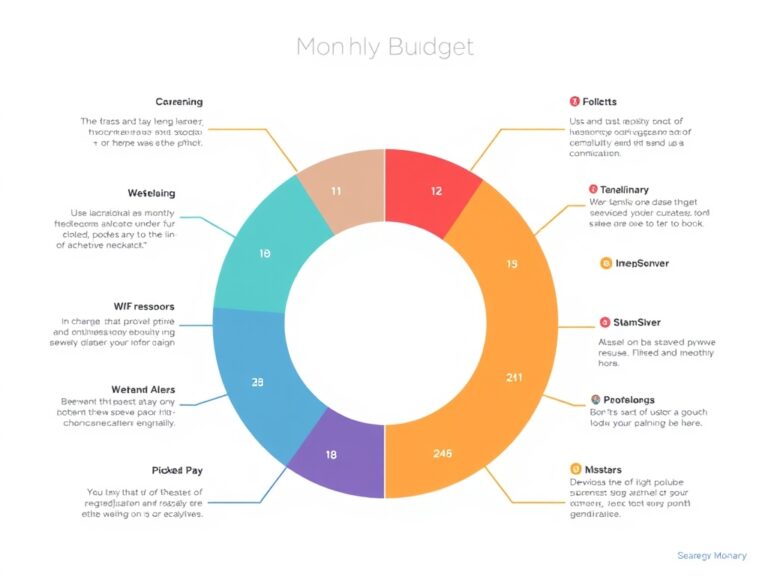
Navigating the world of personal finance can feel like trying to solve a complex puzzle, but smart investing and effective money management are actually within your reach. It all starts with the basics: knowing exactly where your money goes each month through a structured budget. By tracking your expenses, you identify wasteful spending habits that hinder your ability to save for the future. Consider using digital tools to categorize your outflows; this financial clarity is the first step toward true wealth building. You don’t need a massive salary to start; consistency in managing small amounts builds the discipline required for larger investments. Think of your budget as a blueprint for your future lifestyle rather than a restriction on your current one. When you prioritize needs over wants, you create the liquidity necessary to seize investment opportunities as they arise. Setting aside an emergency fund is also non-negotiable, as it provides the peace of mind needed to take calculated risks later. Ultimately, financial health is about making conscious decisions that align with your long-term goals. Start today by reviewing your bank statements and setting a simple, sustainable plan for your cash flow.
The Power of Compound Interest
If you want to understand the secret sauce of wealth creation, look no further than the magic of compound interest. It is often called the eighth wonder of the world because it allows your initial investments to grow exponentially over time. Instead of just earning interest on your original deposit, you earn interest on your interest, creating a snowball effect.
- Start as early as possible to maximize the time window.
- Reinvest your dividends to accelerate the compounding process.
- Stay committed even when market fluctuations cause short-term volatility.
The math is simple: time is your greatest asset in the investing game. Even if you start with small contributions to a retirement account or a low-cost index fund, the long-term impact is profound. By resisting the urge to withdraw your gains, you allow your money to do the heavy lifting for you. Many people underestimate how much their small monthly contributions will be worth in twenty or thirty years. Remember, consistency beats timing the market every single time. Let your money grow silently in the background while you focus on your career and personal growth.
Diversification: Your Financial Safety Net
One of the most important rules in smart investing is to never put all your eggs in one basket. Diversification is the primary strategy used by professional investors to mitigate risk and ensure stable returns. By spreading your capital across various asset classes—such as stocks, bonds, real estate, and ETFs—you insulate your portfolio from the failure of any single entity. When one sector of the economy hits a rough patch, another might be thriving, which balances out your overall performance. Imagine a well-stocked pantry; you wouldn’t rely on just one ingredient for every meal, and your financial life should be no different. Diversification doesn’t guarantee a profit, but it certainly protects you from catastrophic loss. Consider these tips for a balanced approach:
- Invest in broad market index funds to get instant diversification.
- Regularly rebalance your portfolio to maintain your desired risk level.
- Avoid over-concentrating in individual stocks, no matter how exciting they seem.
This methodical approach to money management is what keeps investors sleeping soundly at night. It is about playing the long game and winning by not losing.
Staying the Course: Long-Term Success
Finally, let’s talk about the mindset required for long-term financial success. Investing is less about the technical charts and more about your behavioral discipline in the face of uncertainty. Markets will inevitably have ups and downs, but those who panic and sell during a downturn are the ones who suffer the most. Successful investors maintain a long-term perspective, viewing market dips as opportunities to buy quality assets at a discount. Keep your eyes on your ultimate objectives, whether that is buying a home, funding your children’s education, or achieving financial independence. Surround yourself with credible resources, stay informed, and avoid the noise of short-term headlines that aim to generate fear. Self-education is your best tool, so never stop reading about market history and economic fundamentals. When you approach your finances with logic and patience, you remove the emotional stress that often leads to poor decision-making. Celebrate your small victories, like paying off a credit card or hitting a savings milestone, as these reinforce good habits. Your financial journey is a marathon, not a sprint, so pace yourself for the long haul. You have the power to control your financial destiny by taking these practical steps today.