

Smart Money Moves: A Practical Guide to Investing and Managing Your Finances
Mastering Your Financial Future: Smart Money Moves Start Here
Taking control of your finances is one of the most empowering decisions you can make for your future, yet many people feel overwhelmed by the sheer volume of investment advice available. Whether you are just starting your first job or looking to optimize your retirement nest egg, making smart money moves requires a shift in mindset from impulsive spending to intentional growth. You don’t need a degree in economics to build wealth; instead, you need a solid plan, consistency, and a bit of patience. By focusing on fundamental principles like budgeting, saving, and understanding the power of compound interest, you set a foundation that can weather any economic storm. Think of your finances as a personal business where you are the CEO, responsible for every asset and liability on your balance sheet. In this guide, we will break down the essential steps to managing your money effectively and investing for the long haul. Remember, the goal isn’t to get rich overnight, but to create sustainable wealth that provides security and freedom for years to come. Let’s dive into the practical strategies that turn financial dreams into reality through actionable, daily habits. Are you ready to level up your financial intelligence and start making your money work harder for you?

The Pillars of Financial Stability: Budgeting and Emergency Funds
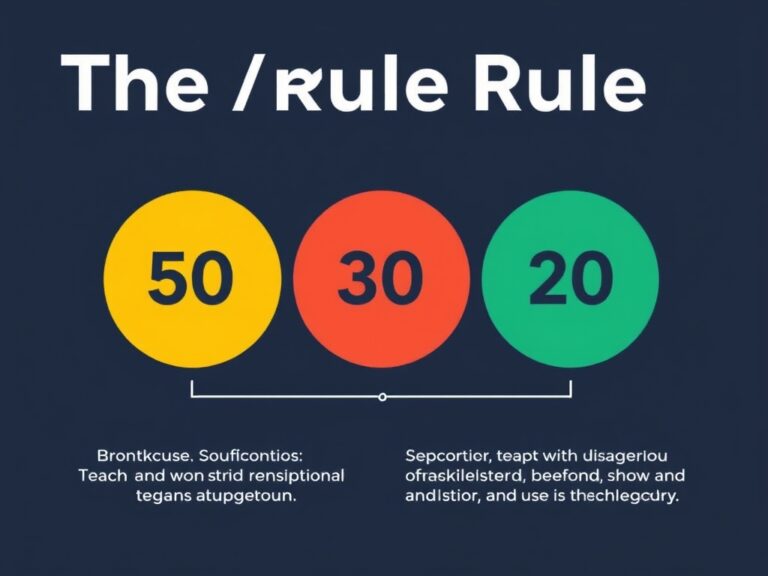
Before you even think about aggressive investing, you must master the art of cash flow management. A budget isn’t a restriction on your life; it is a roadmap that ensures your money is being directed toward your most important long-term goals. Start by tracking your income and expenses to understand exactly where your hard-earned dollars are going each month. Once you have a clear picture, consider using the 50/30/20 rule: 50% for needs, 30% for wants, and 20% for savings and debt repayment. An essential, non-negotiable step is building an emergency fund that covers at least three to six months of living expenses. This fund acts as your personal safety net, preventing you from dipping into your investments or taking on high-interest debt when unexpected life events like car repairs or medical bills occur. Keep this money in a high-yield savings account where it is liquid, accessible, but slightly separated from your daily checking account. By prioritizing this buffer, you create the psychological peace of mind necessary to take calculated risks in the stock market later. Consistency here is key, as even small, automated transfers to your savings can compound significantly over time.
Investing 101: Growing Your Wealth Strategically
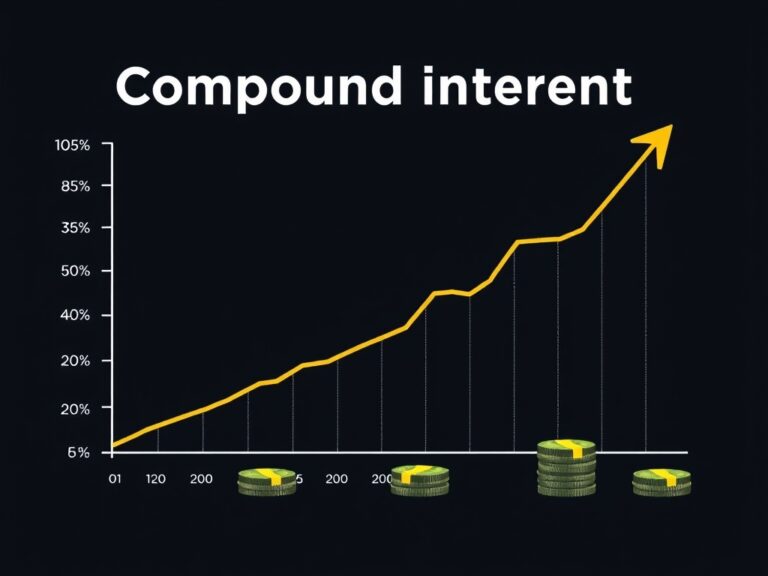
Once your financial house is in order, it is time to turn your attention toward the power of investing. The secret to long-term wealth is not picking the next ‘hot’ stock, but rather utilizing the magic of compound interest through diversified portfolios. Start by contributing to tax-advantaged accounts like a 401(k) or an IRA, which allow your money to grow while providing significant tax benefits along the way. Consider low-cost index funds or ETFs that provide broad exposure to the market, effectively spreading your risk across hundreds or thousands of companies. You should focus on these core investment principles to stay on track:
- Dollar-cost averaging: Investing a set amount at regular intervals to smooth out market volatility.
- Asset allocation: Balancing your portfolio between stocks, bonds, and cash based on your risk tolerance.
- Time in the market: Understanding that long-term holds generally outperform short-term speculation.
By keeping your investment fees low and your strategy simple, you avoid the common pitfalls that erode returns. Do not let market fluctuations trigger panic selling; instead, view them as an opportunity to buy assets at a discount. Maintaining a long-term perspective allows you to harness the compounding growth that turns modest savings into substantial wealth over decades.
Staying the Course: Mindset and Future Optimization
The final piece of the puzzle is maintaining a growth mindset that keeps you focused on your long-term vision despite market noise. Financial success is often 80% behavior and only 20% knowledge, meaning your ability to stay disciplined is your greatest asset. Educate yourself continuously by reading books on personal finance, listening to reputable podcasts, and perhaps consulting with a fee-only financial planner if your situation becomes complex. Regularly review your financial roadmap, perhaps once or twice a year, to ensure your investments still align with your changing goals and risk profile. Celebrate the milestones along the way—whether it is paying off a high-interest credit card, reaching your first $10,000 in savings, or maxing out your annual retirement contributions. These small wins build momentum and keep you motivated during the lean months. Remember that everyone’s journey is unique, and comparing your chapter one to someone else’s chapter twenty is a recipe for unhappiness. Stay focused on your personal growth, keep your expenses in check, and remain invested for the future. By following these smart money moves, you are securing a life of independence, choices, and lasting financial prosperity that will serve you well for the rest of your life.