
Master Your Money: Practical Financial Advice and Smart Investing Strategies for Long-Term Wealth
Take Control of Your Financial Future Today
Mastering your money is not about living in a constant state of deprivation or sacrifice; rather, it is about making intentional choices that align with your long-term goals. Many people feel overwhelmed by complex financial jargon, but at its core, building wealth is simply a matter of managing your cash flow effectively. Start by performing a comprehensive audit of your monthly income and expenses to see exactly where your hard-earned money is going. Knowledge is truly power, and by tracking your spending, you can identify leaks that are draining your potential savings. Consider using apps or simple spreadsheets to categorize your costs, separating essential needs from those tempting wants. This foundational step is crucial for creating a sustainable budget that allows you to thrive rather than just survive. Once you have a clear picture, you can begin to automate your savings, treating your future self like a priority bill that must be paid first every single month. Remember, even small, consistent adjustments can yield massive results over the course of a decade or more. You don’t need a massive salary to become wealthy; you simply need a disciplined, strategic approach to the money you already earn.

The Magic of Compounding and Smart Investing
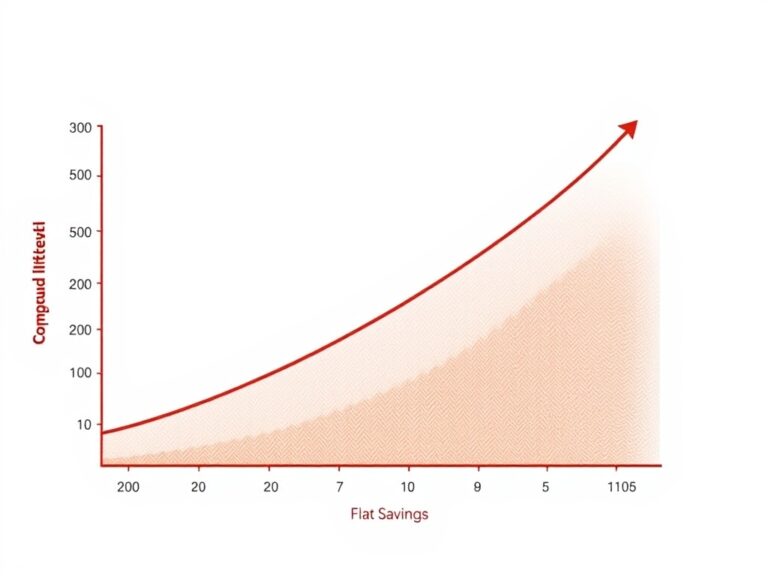
Investing is the engine that drives true long-term wealth creation, allowing your money to work for you even while you sleep. The secret weapon in any investor’s arsenal is compound interest, a phenomenon where your earnings begin to earn their own returns, creating a snowball effect over time. You should prioritize diversified investment vehicles like index funds or ETFs, which offer broad market exposure and mitigate the risk associated with picking individual stocks.
- Start investing as early as possible to give your money time to grow.
- Take advantage of employer-sponsored retirement plans, especially if there is a company match.
- Focus on low-cost, passively managed funds to minimize fee erosion.
- Maintain a long-term perspective, ignoring the inevitable short-term volatility of the stock market.
- Reinvest your dividends to accelerate the compounding process exponentially.
By keeping your strategy simple and consistent, you avoid the common pitfalls of emotional trading and panic selling. Investing is a marathon, not a sprint, and those who remain patient often see the most significant gains in the long run. If you are just getting started, don’t worry about being an expert; focus instead on establishing a routine that automates your investments. Your future self will be incredibly grateful for the discipline you display during these early years of building your portfolio.
Protecting Your Assets and Minimizing Risks
While growing your wealth is the primary goal, protecting what you have already built is equally important for long-term security. Risk management involves ensuring that life’s unexpected events don’t derail your entire financial trajectory or force you to dip into your investments prematurely. The most essential safety net you can establish is an emergency fund, ideally containing three to six months of essential living expenses tucked away in a high-yield savings account. Insurance is not an expense; it is a vital tool that guards your assets against catastrophic losses, whether that be health, life, or property issues. Additionally, consider the importance of estate planning and naming beneficiaries on your accounts to ensure your wealth reaches your loved ones as intended. Review your debt structures as well; high-interest debt, such as credit card balances, acts as an anchor on your growth and should be prioritized for rapid payoff. By proactively managing these risks, you build a sturdy foundation that allows you to invest with confidence rather than fear. True wealth is not just about having a large number in your bank account, but about having the peace of mind that you are prepared for whatever the future might hold. Stay alert, stay insured, and keep your financial house in order to ensure your legacy remains intact.

Achieving Financial Freedom and Lifestyle Design
The ultimate reward of mastering your finances is the freedom to design a life that aligns with your values and passions, rather than being bound by the necessity of a paycheck. Once you have reached a stage where your assets generate meaningful returns, you gain the flexibility to choose how you spend your most valuable resource: your time. This stage of wealth is often referred to as financial independence, where your passive income covers your core expenses comfortably. It is important to remember that lifestyle creep—the tendency to increase spending as your income rises—can quickly erode your hard-earned progress if you aren’t careful. Continue to live below your means, focus on experiences over material possessions, and regularly revisit your financial goals to ensure they still reflect your evolving dreams. Share your journey with others, perhaps mentoring friends or family, to encourage a culture of financial literacy in your own community. Financial success is personal, so do not compare your chapter one with someone else’s chapter twenty; instead, keep your eyes on your own progress and celebrate every milestone. By following these practical strategies, you are not just managing money, you are masterfully crafting a life of lasting abundance and security. Keep learning, stay committed to your plan, and enjoy the journey of watching your wealth and your independence grow together.