
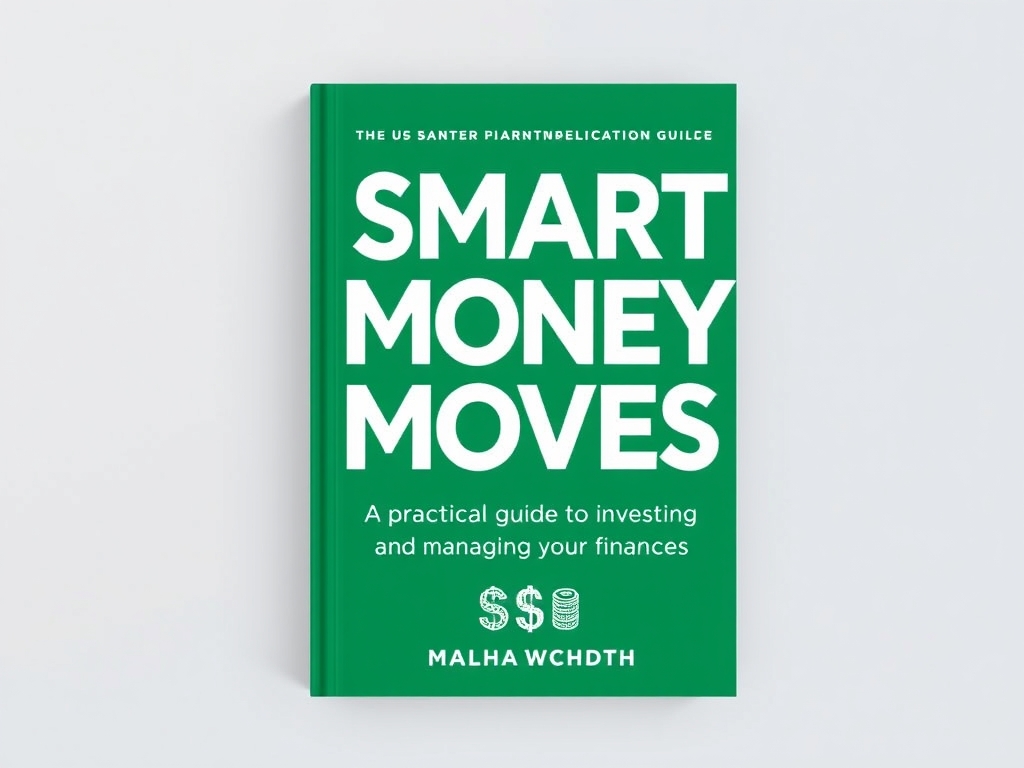
Smart Money Moves: A Practical Guide to Investing and Managing Your Finances
Mastering Your Financial Future: Smart Money Moves Start Today
Taking control of your finances might feel overwhelming, but it is truly the most empowering decision you can make for your future. Whether you are just starting your career or looking to refine your wealth-building strategy, understanding the core principles of personal finance is essential. Smart money moves aren’t about getting rich overnight; they are about building a sustainable foundation through consistency and informed choices. Start by auditing your current spending habits to see exactly where your hard-earned cash is going each month. By leveraging a simple budget or tracking app, you gain clarity on your cash flow. Remember, financial freedom is a marathon, not a sprint, so patience is your greatest asset. We will explore how to prioritize your savings, manage debt effectively, and create an investment strategy that works for you. Let’s embark on this journey toward long-term security together, one practical step at a time.

Budgeting Basics: The Foundation of Prosperity
Before you dive into the complex world of stocks and bonds, you must establish a rock-solid budget that aligns with your lifestyle. A budget is not a restriction; it is actually a tool for freedom that tells your money exactly where to go. Consider the 50/30/20 rule: allocate 50% of your income for needs, 30% for wants, and 20% for savings and debt repayment. If this split doesn’t fit your current situation, feel free to customize it to match your financial goals. Using digital tools can automate your savings, making it easier to stick to your plan without constant manual effort.
- Review monthly subscriptions to cut unnecessary costs.
- Automate your utility bills to avoid late fees.
- Set specific savings buckets for emergencies and vacations.
By keeping your expenses lower than your income, you create the surplus needed for your investment journey. Consistent budgeting transforms your financial outlook from reactive to proactive, ensuring you are prepared for whatever life throws your way.
The Power of Investing: Making Your Money Work Harder
Investing is arguably the most critical step in building long-term wealth, as it allows your capital to grow through the magic of compound interest. When you invest, you are essentially buying a piece of a business or lending money to entities that reward you with interest. Diversification is your best friend in this arena, as it spreads risk across various asset classes like stocks, bonds, and real estate. Do not worry if you are not a stock market expert; index funds and ETFs provide an excellent way to get broad market exposure with minimal effort. Start early to give your investments more time to compound, as time is the most valuable variable in any financial model.
- Open a tax-advantaged account like a 401(k) or IRA.
- Focus on low-fee, passive investment vehicles.
- Stay invested during market volatility rather than panic selling.
Staying consistent, even with small monthly contributions, will pay off significantly over several decades. Your future self will thank you for the small sacrifices you make in your budget today to fund your future growth.

Managing Debt and Protecting Your Wealth
Debt can be a heavy anchor that drags down your financial progress, so having a clear strategy to eliminate high-interest liabilities is a must. Prioritize paying off debts with the highest interest rates first, often referred to as the debt avalanche method, to save the most on interest payments. If you prefer a psychological win, try the debt snowball, where you pay off your smallest balances first to gain momentum. Protecting your wealth is equally important; this means maintaining a 3-6 month emergency fund to cover unexpected events like car repairs or medical bills. Ensure you have proper insurance coverage—including health, auto, and life—to prevent a single mishap from wiping out your savings. Financial resilience is built by preparing for the worst while planning for the best. Regularly check your credit score to ensure accuracy and look for ways to lower your interest rates on existing debt. By neutralizing high-interest liabilities, you free up more of your income to funnel into productive, wealth-building investments.