Mastering Your Money: Practical Strategies for Smart Investing and Wealth Management
Welcome to the journey of Mastering Your Money, where we transform financial anxiety into a clear roadmap for long-term success. It’s not just about how much you earn, but how you manage and grow what you have through smart investing and strategic wealth management. To start, you need to define your ‘why’—is it early retirement, buying a home, or achieving total peace of mind? Financial literacy is the bedrock of all successful wealth management strategies because it empowers you to make informed decisions without the fear of the unknown. Consider your current financial situation as a puzzle where every piece, from your income to your spending habits, needs to fit perfectly to create a clear picture. 🚀 We often overlook the psychology behind spending, yet understanding your emotional triggers is crucial for maintaining long-term stability. By setting clear, measurable goals, you provide yourself with a North Star that guides every investment choice you make. Remember, the path to wealth isn’t a sprint; it’s a marathon that requires patience, discipline, and a willingness to learn. Let’s explore how you can take control of your destiny today by implementing these practical strategies.
- Define clear financial goals.
- Understand your monthly cash flow.
- Develop a long-term growth mindset.
This foundational step ensures that every dollar has a purpose and every decision brings you closer to freedom. Without a plan, money tends to disappear into the void of daily expenses and impulse buys. Commit today to being the CEO of your own household finances and watch your confidence grow over time.

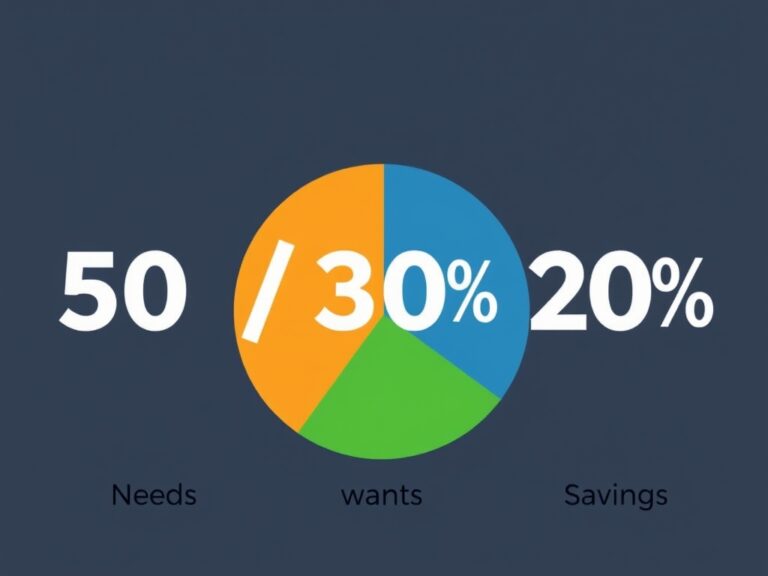
Before diving into the complex world of the stock market, you must build a solid foundation by mastering budgeting and debt management. A well-structured budget isn’t a cage; it’s a tool that grants you the freedom to spend on what truly matters while cutting out unnecessary waste. Practical strategies often include the 50/30/20 rule: 50% for needs, 30% for wants, and 20% for savings and debt repayment. Dealing with high-interest debt, like credit cards, is your first ‘investment’ because paying off a 20% interest rate is equivalent to a guaranteed 20% return. 💳 Simultaneously, building an emergency fund covering 3-6 months of expenses provides a safety net that prevents you from liquidating investments during a downturn. This fund acts as your personal insurance policy against life’s unpredictable events, such as medical bills or sudden job loss. Wealth management is as much about protecting your downside as it is about capturing the upside of the market. When you eliminate toxic debt, you free up the capital necessary to begin your journey into smart investing. Think of this phase as clearing the land before building your dream house—it’s essential work that supports everything that follows. 🏡 Consistency in your savings rate is the most significant predictor of future wealth, regardless of your current income level. By automating your savings, you remove the temptation to spend, ensuring that your future self is always taken care of first. You cannot build a lasting empire on a shaky foundation, so prioritize these basics before moving forward. Strong financial habits are the secret sauce that separates the wealthy from those who simply earn a lot.
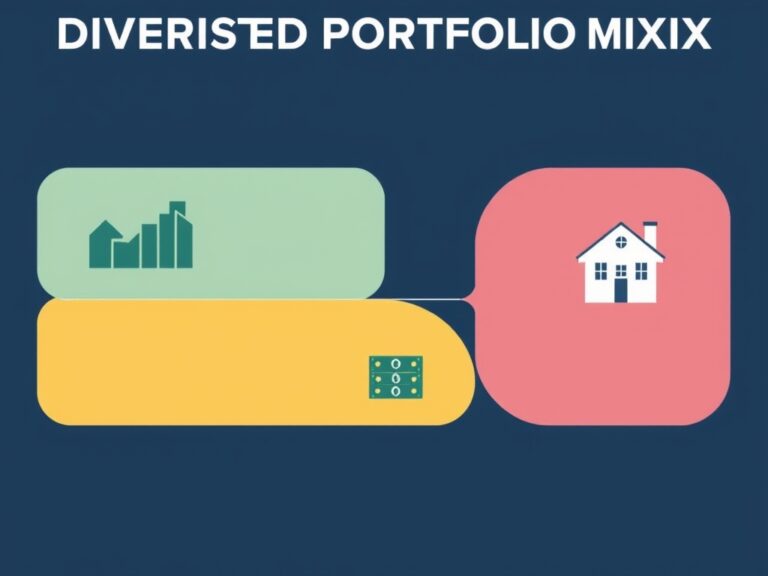
Now, let’s talk about smart investing and how to put your money to work through strategic asset allocation. Investing is the process of purchasing assets that have the potential to appreciate in value over time or generate consistent passive income. A diversified portfolio is your best defense against market volatility, spreading your risk across different sectors like technology, healthcare, and real estate. 📈 You should consider a mix of low-cost index funds and ETFs, which offer broad market exposure without the high fees of actively managed funds. Understanding your risk tolerance is vital; are you a conservative investor looking for stability, or an aggressive one seeking high growth? Wealth management experts often suggest that your age and time horizon should dictate your asset mix, favoring stocks when you’re young and bonds as you approach retirement. 🏦 Don’t let short-term market fluctuations scare you into making emotional decisions, as the market historically trends upward over long periods.
- Invest in low-cost index funds for broad exposure.
- Diversify across global markets to reduce local risk.
- Rebalance your portfolio annually to maintain your target.
By focusing on ‘time in the market’ rather than ‘timing the market,’ you position yourself for sustainable success. Knowledge is power, so keep researching different asset classes to find what fits your unique financial profile and risk appetite. This approach minimizes unnecessary risk while maximizing the potential for compounding your hard-earned capital effectively. Remember that even the most successful investors started with a single share and a lot of patience.
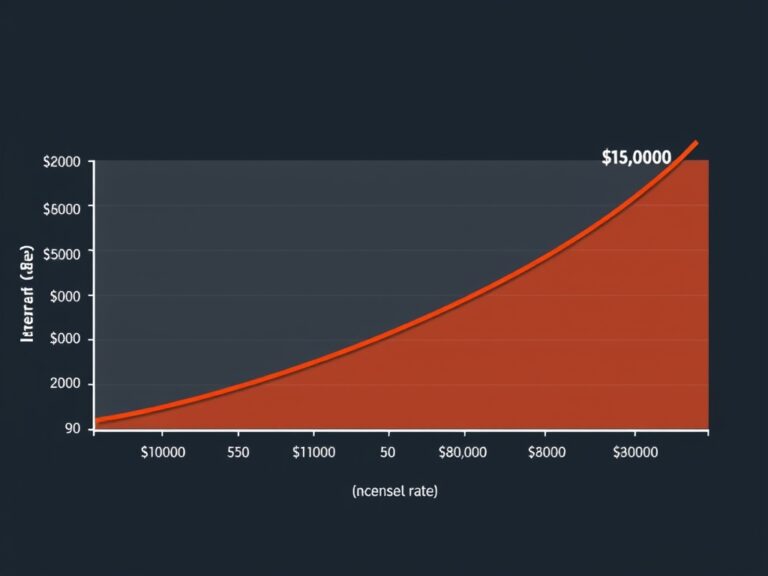
The true secret to wealth management lies in the ‘magic’ of compound interest, often referred to as the eighth wonder of the world. Compounding happens when your investment earnings generate their own earnings, creating a snowball effect that grows exponentially over time. The earlier you start, the more time your money has to grow, which is why starting in your 20s or 30s provides a massive advantage. Even small, regular contributions can blossom into significant wealth if given enough decades to mature and compound. ⏳ Utilizing tax-advantaged accounts like a 401(k) or an IRA is one of the most practical strategies for maximizing this growth, as it keeps more money in your pocket. 💰 These accounts often offer employer matches—essentially free money—that significantly boosts your total returns and net worth. Imagine your money as a forest; each dollar is a seed that, with time and care, grows into a tree that provides shade and fruit for your future. Consistency is the key; even during market dips, maintaining your contributions allows you to buy more shares at lower prices. This ‘dollar-cost averaging’ strategy reduces the impact of volatility and builds wealth steadily without the need for perfect timing. 🌳 Stay focused on the long-term horizon and avoid the noise of daily financial news cycles that often lead to impulsive, costly choices. Your future self will thank you for the discipline you show today in letting compound interest do the heavy lifting for your bank account. It is the most powerful tool in your financial arsenal, so give it the time it needs to work its magic.
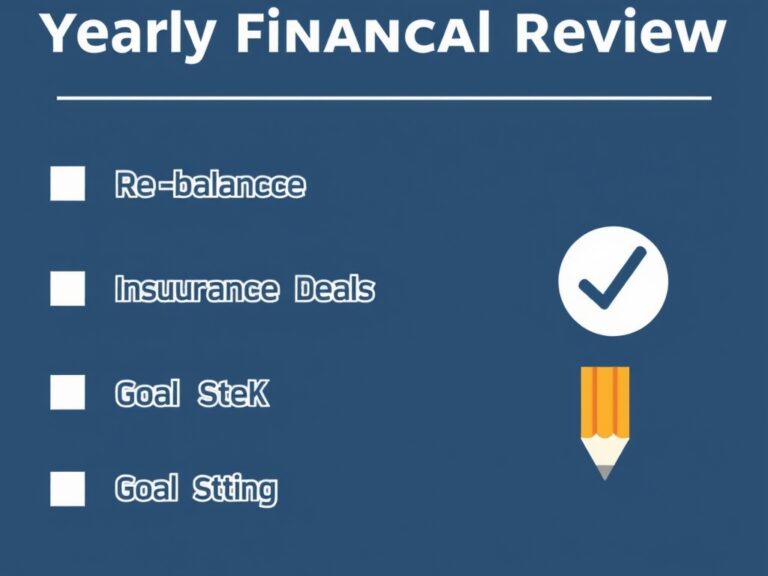
Finally, Mastering Your Money requires a commitment to ongoing education and periodic portfolio rebalancing to ensure you stay on track with your goals. As your investments grow, some assets will perform better than others, shifting your original allocation and potentially exposing you to more risk than intended. Rebalancing involves selling some of your ‘winners’ and buying more of your ‘underperformers’ to bring your portfolio back to its target state. ⚖️ This disciplined approach forces you to ‘buy low and sell high,’ which is the fundamental goal of any successful investor. Beyond just the numbers, wealth management involves protecting your assets through proper insurance and estate planning strategies. 🛡️ Ensure you have adequate life, health, and disability insurance to prevent a single unfortunate event from wiping out your progress. Smart investing is not a ‘set it and forget it’ activity; it requires an annual check-in to adjust for life changes like marriage, children, or career shifts. Surround yourself with reliable information sources or consider consulting a fee-only financial advisor to fine-tune your strategy. 🗣️ The road to financial independence is paved with continuous learning and the flexibility to adapt to changing economic conditions. By staying proactive and informed, you maintain the driver’s seat in your journey toward long-term prosperity and security. 🌟 Always remember that wealth is simply a tool to help you live the life you want, so align your financial strategy with your personal values. Keep your eyes on the prize and continue to educate yourself as the financial landscape evolves.