

Mastering Your Finances: Smart Investing Strategies and Practical Money Management Tips
Welcome to the journey of financial mastery, where we transform your hard-earned cash into a powerhouse of growth and security. Money management isn’t just about restriction; it’s about intentionality and making your dollars work for you. One of the most effective smart investing strategies begins with a rock-solid budget, such as the popular 50/30/20 rule. This means allocating 50% to needs, 30% to wants, and 20% to savings and debt repayment. By categorizing your spending, you gain a clear view of where your money goes every single month.
- Needs: Housing, groceries, utilities.
- Wants: Dining out, hobbies, subscriptions.
- Savings: Emergency funds, retirement accounts.
You’ll find that tracking every penny using apps or spreadsheets reveals hidden leaks in your cash flow. Once you plug those leaks, you can redirect that capital toward high-yield opportunities. Remember, mastering your finances is a marathon, not a sprint, so patience is your best friend. Every small adjustment you make today creates a massive ripple effect for your future self. Let’s dive deeper into how you can optimize these habits for maximum impact. By establishing this base, you are no longer just surviving but actually building a launchpad for your wealth.

Before you start pouring money into the stock market, we need to talk about the ‘financial anchor’ that is high-interest debt. Debt management is a critical component of any practical money management plan because interest payments can quietly erode your wealth over years. Focus on paying off credit cards or high-interest loans first, as these often carry rates far higher than any average investment return. You might consider strategies like the ‘Debt Snowball’ or ‘Debt Avalanche’ to gain momentum and psychological wins.
- Debt Snowball: Pay smallest balances first for quick emotional wins.
- Debt Avalanche: Pay highest interest rates first to save the most money over time.
While you’re tackling debt, it is equally important to build an emergency fund of three to six months of living expenses. This fund acts as a safety net, ensuring that an unexpected car repair or medical bill doesn’t derail your entire progress. Having this liquid cash available gives you the ‘peace of mind’ needed to take calculated risks in your investment portfolio later. It prevents you from having to sell investments at a loss during a market downturn just to cover a basic bill. Think of this as your financial insurance policy that protects your growing empire from unforeseen storms. Without it, your financial house is built on sand, vulnerable to the first wave of economic uncertainty. Once this buffer is in place, you can move forward with total confidence in your long-term plan.

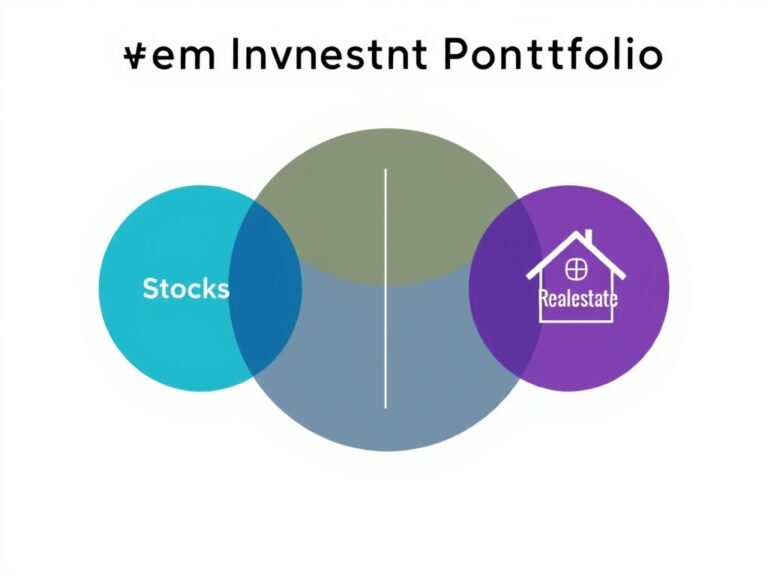
Now that your foundation is secure, let’s explore the world of smart investing strategies that can actually build long-term wealth. Investing is simply the act of buying assets that have the potential to grow in value or generate income over time. Diversification is your golden rule here; you should never put all your eggs in one basket, regardless of how tempting a single stock might look. A well-balanced portfolio typically includes a mix of low-cost index funds, exchange-traded funds (ETFs), and perhaps some bonds for stability.
- Stocks: Offer high growth potential but come with higher price volatility.
- Bonds: Provide steady income and act as a cushion during stock market drops.
- ETFs: Allow you to own hundreds of companies with a single purchase, reducing specific risk.
Understanding your personal risk tolerance is essential because it dictates how you should allocate your assets between these categories. If you are young, you can likely afford to be more aggressive with equities, whereas those closer to retirement may prefer capital preservation. Don’t let market noise or ‘hot tips’ distract you from your predefined strategy and your specific long-term goals. Successful investors stay the course even when the market gets bumpy, trusting in the historical upward trend of the global economy. Your goal is to be a disciplined owner of businesses, not a frantic speculator chasing the next trend. Consistency in your contributions will almost always beat trying to time the market perfectly.
One of the most powerful concepts in personal finance is the phenomenon known as compound interest, which creates a massive snowball effect. Compound interest is essentially earning interest on your interest, accelerating your wealth over decades of consistent growth. The earlier you start, the less heavy lifting you have to do later in life because time does the work for you. For instance, a small monthly contribution started in your twenties can grow far larger than a massive contribution started in your forties.
- Start Early: Time is your most valuable asset in the world of finance, so start today.
- Reinvest Dividends: Automatically use your earnings to buy more shares to compound growth.
- Stay Consistent: Even small amounts add up when they are invested regularly over many years.
This is why retirement planning should be a priority, utilizing tax-advantaged accounts like a 401(k) or an IRA. If your employer offers a match on your 401(k) contributions, that is essentially ‘free money’ that you should never leave on the table. By automating your investments, you remove the emotional hurdle of deciding to save each month, making success the default option. Watching your balance grow through compound interest is incredibly motivating and reinforces your commitment to your financial plan. It turns your modest savings into a substantial nest egg that provides security and freedom in your golden years. This is the secret of the wealthy: making money work for you rather than you working for money.

Finally, mastering your finances is as much about psychology as it is about math and complex spreadsheets. Many people fail not because they lack knowledge, but because they succumb to emotional pitfalls like fear, greed, or ‘lifestyle creep.’ Practical money management requires you to stay grounded even as your income increases, ensuring your expenses don’t rise at the same rate. Regularly reviewing your financial goals and rebalancing your portfolio ensures that you stay aligned with your original objectives.
- Review Monthly: Check your spending and savings rate to stay on track with your yearly targets.
- Avoid Comparison: Your financial journey is unique; don’t chase others’ lifestyles or expensive habits.
- Keep Learning: The financial world changes, so stay informed on new tools and tax laws.
Remember to celebrate your milestones, whether it’s paying off a loan or reaching a specific net worth target. Financial freedom isn’t about having an infinite amount of money; it’s about having the choices and time to live the life you want. By implementing these smart investing strategies and maintaining a disciplined approach, you are taking control of your destiny. You have the tools, the knowledge, and the roadmap to achieve incredible things with your money starting right now. Stay focused, stay patient, and watch as your financial dreams transform into your everyday reality over the coming years. Your future self will thank you for the decisions you make today.