
Master Your Money: Practical Financial Advice, Smart Investing & Money Management Tips
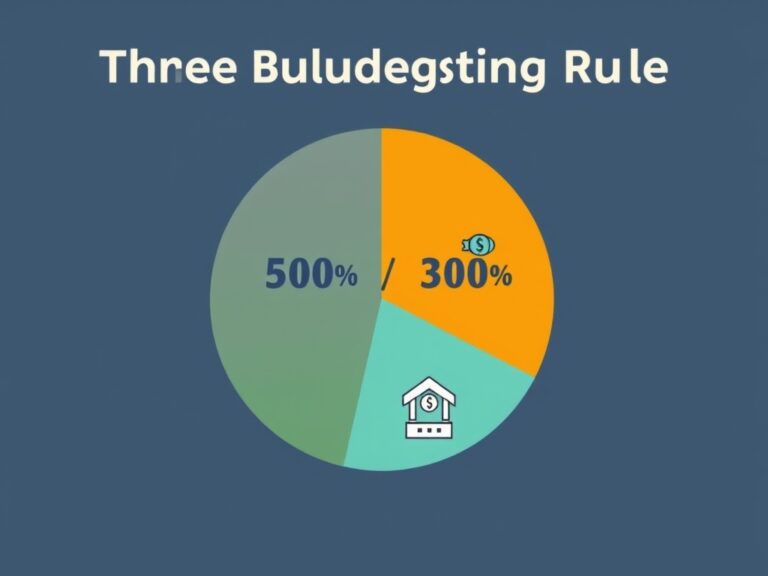
Hey there! If you’ve ever felt like your bank account has a leak, you’re definitely not alone, but today is the day we start Mastering Your Money with some real-talk practical financial advice. 💰 Money management isn’t just about spreadsheets; it’s about creating a life where you aren’t constantly stressed about the next bill. To get started, you need to understand where every dollar goes, which is why I highly recommend the 50/30/20 rule as a foundational framework for your budget. This simple breakdown ensures you cover your essentials while still leaving room for some fun and, most importantly, your future self. 🚀 Here is how that breakdown typically looks:
- 50% for Needs: Rent, groceries, and utilities stay in this bucket.
- 30% for Wants: This is your ‘lifestyle’ fund for dining out or hobbies.
- 20% for Savings/Debt: This is the engine that drives your long-term wealth.
By categorizing your spending this way, you gain instant clarity and stop the ‘phantom spending’ that drains your resources. Remember, the goal of money management tips isn’t to restrict you, but to give you permission to spend on what truly matters. It takes about three months to really get a handle on your flow, so be patient with yourself as you adjust. Once you have a clear picture, you’ll feel a sense of control that is incredibly empowering. Let’s make this the year you move from surviving to thriving financially! You deserve to have a plan that works for you, not against you.
Once your budget is breathing, it’s time to tackle the two pillars of stability: debt management and your emergency fund. 🛡️ Think of your emergency fund as a financial shock absorber that keeps a flat tire or a medical bill from ruining your entire month. Most experts suggest aiming for three to six months of living expenses, but even starting with a modest $1,000 goal can provide significant peace of mind. While you’re building that safety net, you should also look at any high-interest debt that might be eating your potential gains. Using strategies like the Debt Snowball (paying smallest balances first) or the Debt Avalanche (targeting highest interest rates) can help you regain momentum. 📉 Consider these steps to optimize your progress:
- Automate Savings: Set up a recurring transfer to a high-yield savings account.
- Negotiate Rates: Call your credit card providers to ask for lower APRs.
- Audit Subscriptions: Cancel those monthly ‘leaks’ you no longer use.
Managing debt effectively is one of the most impactful money management tips because it frees up cash flow for smart investing later. It’s hard to build a skyscraper on a shaky foundation, so treat your debt as the primary obstacle to your freedom. As you see those balances drop, your credit score will likely climb, opening up even more opportunities. You’re not just paying off a bill; you’re buying back your future time and energy. Stay focused, stay consistent, and watch how quickly your outlook changes. Every dollar paid toward debt is a step closer to total financial independence.

Now that we’ve cleared the path, let’s dive into the exciting world of Smart Investing to make your money work as hard as you do! 📈 Many people feel intimidated by the stock market, but practical financial advice usually boils down to one word: consistency. You don’t need to be a Wall Street pro to build wealth; you just need to harness the power of compound interest over time. By starting early—even with small amounts—you allow your investments to grow exponentially, which is the secret sauce of every self-made millionaire. Diversification is your best friend here, ensuring that you don’t put all your eggs in one basket. 🌍 Here are some core concepts to keep in mind as you begin:
- Index Funds: Low-cost ways to own a piece of hundreds of companies at once.
- Dollar-Cost Averaging: Investing a set amount regularly regardless of market price.
- Risk Tolerance: Understanding how much market fluctuation you can stomach.
- Time Horizon: The longer you stay invested, the more risk you can generally take.
Avoid the temptation to ‘time the market’ or jump on the latest meme stock craze, as these are often recipes for disaster. Instead, focus on a long-term strategy that aligns with your specific goals, whether that’s buying a home or early retirement. Remember, the market is a device for transferring money from the impatient to the patient. If you keep your costs low and your head cool, you’ll be amazed at what you can achieve. Investing isn’t a sprint; it’s a marathon that rewards those who stay the course. Your future self will thank you for the seeds you plant today.
To truly Master Your Money, you must look beyond the present and start optimizing your retirement strategy and tax efficiency. 🏦 This is where smart investing meets long-term vision, utilizing accounts like the 401(k), IRA, or Roth IRA to keep more of your earnings. If your employer offers a 401(k) match, make sure you’re contributing enough to get the full amount—it’s essentially a 100% return on your investment instantly! Beyond retirement accounts, you should also be mindful of lifestyle inflation, which occurs when your spending rises at the same rate as your income. 🛑 Instead of upgrading your car every time you get a raise, try ‘paying yourself first’ by diverting that extra cash into your brokerage or savings. 💡 Consider these advanced wealth-building habits:
- Max Out Tax-Advantaged Accounts: Lower your taxable income while saving for the future.
- Rebalance Annually: Ensure your portfolio hasn’t become too risky over time.
- Estate Planning: Ensure your hard-earned assets are protected for your loved ones.
Expert-level money management tips often involve these ‘boring’ but vital administrative tasks that protect your net worth. It’s not just about how much you make, but how much you keep and how well you protect it from taxes and inflation. Building a legacy requires intentionality and a willingness to say ‘no’ to temporary pleasures for permanent freedom. You’ve worked hard for your money, and now it’s time to ensure it serves you for the rest of your life. Keep learning, keep adjusting, and enjoy the peace that comes with financial mastery. You are now equipped with the tools to build a lasting financial fortress.