
Mastering Your Finances: Smart Investing Strategies and Essential Money Management Tips
Mastering Your Finances: Taking the First Step Toward Financial Freedom
Have you ever felt like your bank account is playing a game of hide-and-seek with your peace of mind? Financial empowerment isn’t just for the wealthy; it’s a skill set anyone can master with the right mindset and tools. Smart money management starts with understanding exactly where your hard-earned cash is going every single month. By tracking your spending habits, you gain the clarity needed to make intentional choices rather than reactive ones. Think of your budget as a roadmap rather than a restriction; it’s a tool that grants you the permission to spend on what matters most to you. When you prioritize saving and investing, you are essentially paying your future self first. It is vital to cultivate a habit of discipline, even when your income feels limited or fluctuating. By automating your savings and setting clear, measurable goals, you remove the emotional burden of decision-making. Consistency is the secret ingredient that transforms modest habits into significant long-term results. Remember, your financial journey is a marathon, not a sprint, so be kind to yourself as you learn these vital skills.

Building a Robust Investment Strategy for Sustainable Growth
Once you have a solid grasp on your cash flow, the next phase is putting that money to work through smart investing strategies. Many people fear the stock market because it feels complicated, but the core principle is actually quite simple: consistency and time.
- Start by building an emergency fund to cover 3-6 months of expenses.
- Explore diversified index funds to spread your risk across many industries.
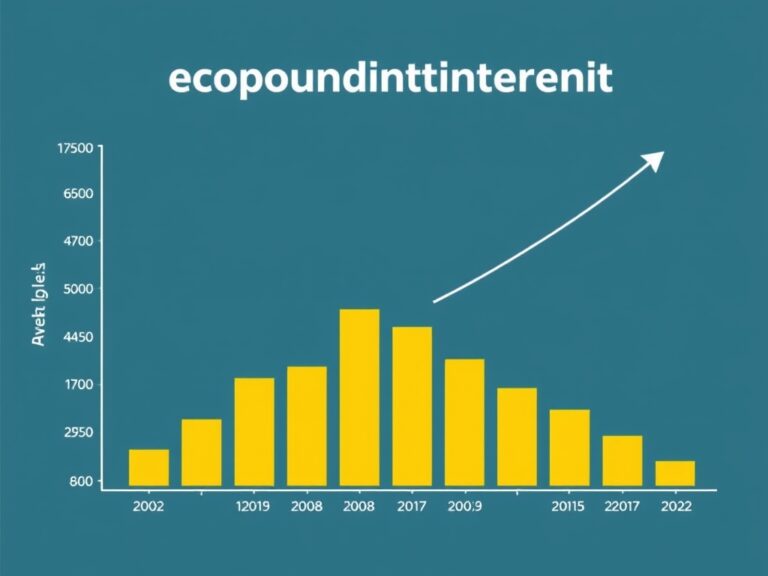
- Consider the power of compound interest, which rewards those who start early.
- Automate your contributions so that investing becomes a ‘set it and forget it’ habit.
- Research low-cost ETFs to minimize management fees that eat into your profits.
By keeping your portfolio balanced, you protect yourself against market volatility while capturing long-term gains. You don’t need to be a Wall Street professional to succeed; you just need to be a patient, informed participant. Focus on high-quality assets rather than speculative ‘get-rich-quick’ schemes that often lead to losses. If you are ever unsure, consulting a fee-only financial advisor can provide tailored guidance for your specific life situation. Investing is one of the most effective ways to build wealth that survives inflation and supports your lifestyle goals.
Essential Tips for Maintaining Long-Term Financial Health
Sustaining your financial progress requires more than just a one-time setup; it requires regular maintenance and a commitment to financial literacy. Review your financial goals quarterly to ensure they still align with your changing life circumstances or career moves. As your income increases, try to avoid ‘lifestyle creep’ by continuing to live below your means even when you can afford more. Effective money management is often about the habits we keep when no one is watching, like cooking at home instead of dining out or negotiating recurring bills. It’s also important to protect your assets with adequate insurance coverage and a clear estate plan, as these act as a safety net for you and your loved ones. Don’t be afraid to read books, follow reputable financial blogs, or listen to educational podcasts to stay motivated and informed. You might find that teaching your family members about these principles creates a supportive environment for everyone. When you face challenges—and you will—remember to view them as learning opportunities rather than failures. By staying curious and disciplined, you turn your finances from a source of stress into a powerful engine for your future dreams. You are the architect of your financial legacy, and every small decision contributes to the bigger picture of your success.