
Mastering Your Money: Practical Financial Advice, Smart Investing & Management Tips
Hey there, money mavens and future financiers! Ready to take the reins of your financial future? You’ve landed in the right spot. We’re diving deep into ‘Mastering Your Money,’ a journey filled with practical advice, smart investing strategies, and essential management tips. Think of this as your friendly guide to navigating the often-confusing world of personal finance. We’ll break down complex concepts into bite-sized, actionable steps, making it easier than ever to boost your financial IQ. Are you tired of feeling overwhelmed by bills, unsure about investing, or just want to make your money work harder for you? This post is designed to empower you with the knowledge and confidence to achieve your financial goals, whether that’s saving for a down payment, planning for retirement, or simply building a more secure financial present. Let’s transform your financial anxieties into financial triumphs, one smart decision at a time. Get ready to unlock your earning potential and build a solid foundation for lasting wealth. We believe that financial mastery isn’t just for the elite; it’s accessible to everyone willing to learn and take action. So, grab a cup of your favorite beverage, get comfortable, and let’s embark on this exciting financial adventure together!

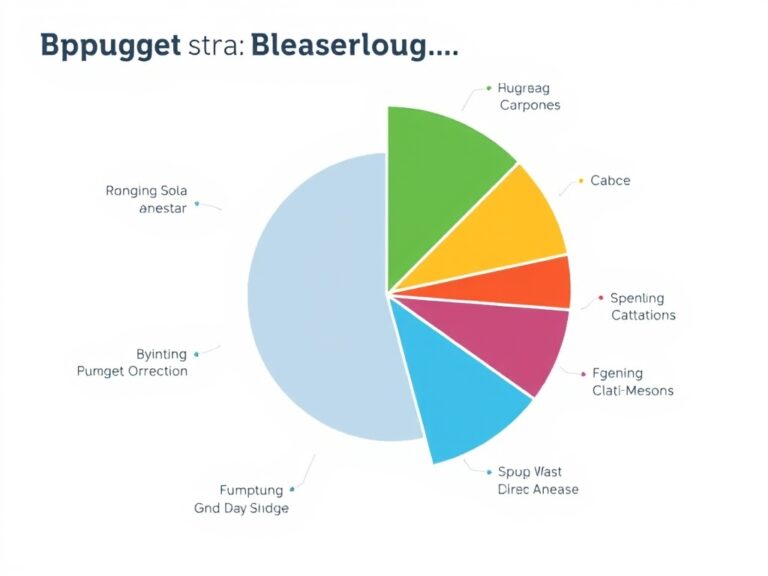
First things first, let’s talk about the bedrock of financial success: budgeting and saving. It might sound tedious, but a well-crafted budget is your financial roadmap, guiding every dollar you earn. Start by tracking your income and expenses meticulously; there are fantastic apps and spreadsheets that can simplify this process. Once you know where your money is going, identify areas where you can cut back without sacrificing your quality of life. Think about those daily coffees, subscription services you rarely use, or impulse purchases. Every little bit saved adds up significantly over time. Establishing an emergency fund is paramount – aim for 3 to 6 months of living expenses. This safety net will protect you from unexpected job losses, medical emergencies, or major repairs, preventing you from going into debt. Automating your savings is a game-changer; set up automatic transfers from your checking to your savings account each payday. This ‘pay yourself first’ mentality ensures your savings goals are prioritized. Remember, consistency is key. Even small, regular savings contributions can lead to substantial wealth accumulation over the long term. Don’t be discouraged if you don’t see immediate dramatic results; think of it as planting seeds for future financial growth and security. Consider setting specific, measurable, achievable, relevant, and time-bound (SMART) savings goals to stay motivated and focused on your progress. Effective money management starts with understanding your habits and making conscious choices about your spending and saving patterns.
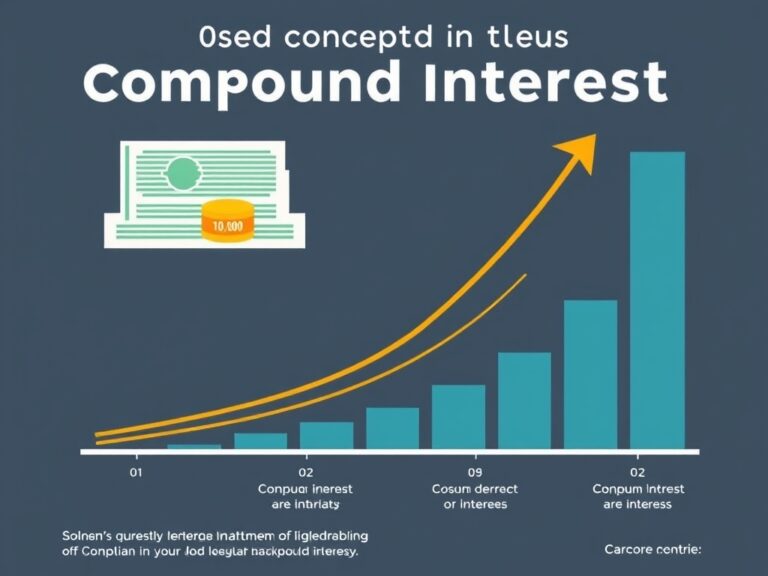
Now, let’s shift our focus to the exciting world of smart investing. Investing is how you make your money work for you, generating passive income and growing your wealth beyond what traditional savings accounts can offer. Don’t be intimidated; investing is accessible to everyone, regardless of your starting capital. The first step is understanding your risk tolerance and financial goals. Are you looking for short-term gains or long-term growth? This will influence your investment choices. Diversification is your best friend in investing; it means spreading your investments across different asset classes, like stocks, bonds, and real estate, to minimize risk. Consider low-cost index funds or ETFs (Exchange Traded Funds) as a fantastic way to achieve instant diversification and benefit from market growth without needing to pick individual stocks. For those new to investing, robo-advisors offer automated portfolio management based on your goals and risk profile, making it incredibly user-friendly. Understand the power of compound interest – it’s like a snowball rolling downhill, growing larger and faster over time. The earlier you start investing, the more time compound interest has to work its magic. Regularly review and rebalance your portfolio to ensure it aligns with your evolving financial objectives and market conditions. Educate yourself continuously about different investment vehicles and market trends; knowledge is power in the investment arena. Don’t chase ‘get rich quick’ schemes; focus on sound, long-term investment strategies for sustainable wealth creation. Seek advice from a qualified financial advisor if you feel unsure about navigating the investment landscape; their expertise can be invaluable in building a robust investment plan tailored to your unique situation.
Beyond budgeting and investing, effective money management encompasses several other crucial aspects, including debt reduction and financial planning for the future. If you have high-interest debt, like credit card balances, tackling it aggressively should be a top priority. Strategies like the debt snowball or debt avalanche method can provide a structured approach to becoming debt-free. The debt snowball involves paying off smallest debts first for psychological wins, while the debt avalanche prioritizes high-interest debts to save money in the long run. Consider consolidating your debt or negotiating lower interest rates with your creditors. When it comes to long-term financial planning, retirement planning is paramount. Start saving early and consistently, utilizing tax-advantaged accounts like 401(k)s or IRAs, as these offer significant benefits. Understand your projected retirement needs and adjust your savings contributions accordingly. Furthermore, consider life insurance and estate planning to protect your loved ones and ensure your assets are distributed according to your wishes. Regularly review your financial plan, especially after major life events like marriage, having children, or changing jobs. This proactive approach ensures your financial strategy remains aligned with your evolving life circumstances and aspirations. Mastering your money is an ongoing process of learning, adapting, and making informed decisions. Embrace the journey, celebrate your progress, and enjoy the peace of mind that comes with financial control and security.