

Practical Financial Advice: Smart Investing & Money Management Strategies
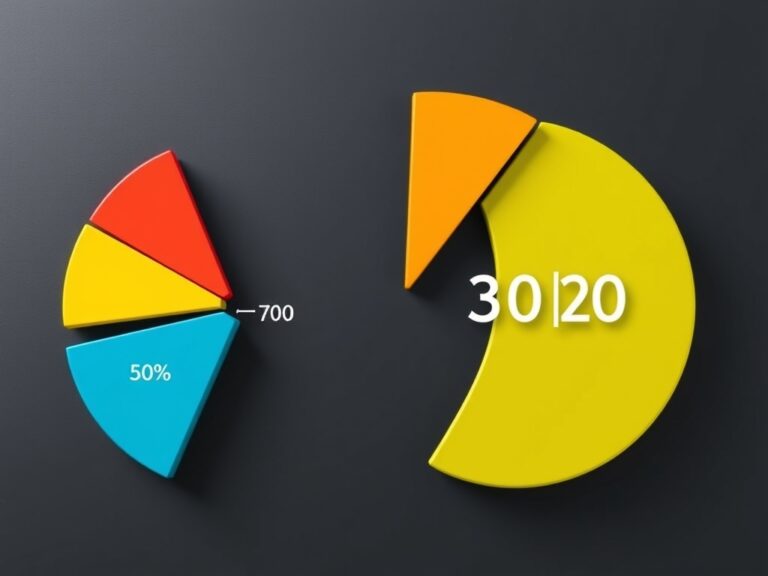
Hey there, let’s get real about your bank account and how we can turn those numbers into a powerful tool for your future. Practical financial advice starts with a fundamental shift in how you view every dollar that passes through your hands. It is not just about hoarding cash; it is about intentionality and understanding where your money goes before it even leaves your pocket. To master money management, I highly recommend adopting the 50/30/20 rule:
- 50% for needs like rent and groceries
- 30% for wants like dining out
- 20% for savings and debt repayment
This simple framework ensures you are living within your means while still enjoying your life today. Tracking your expenses using an app or a simple spreadsheet can reveal surprising patterns in your spending habits. Did you know that small, recurring subscriptions often drain more wealth than large one-time purchases? By identifying these leaks, you can redirect that capital toward your long-term goals. Remember, a budget is not a cage; it is a roadmap that gives you the permission to spend guilt-free on things that truly matter. Consistency is the secret sauce here, as checking in on your finances weekly keeps you accountable and motivated. As you get comfortable with this flow, you’ll start to feel a sense of empowerment that comes from being in total control. This foundational step is non-negotiable if you want to reach the next level of financial freedom.
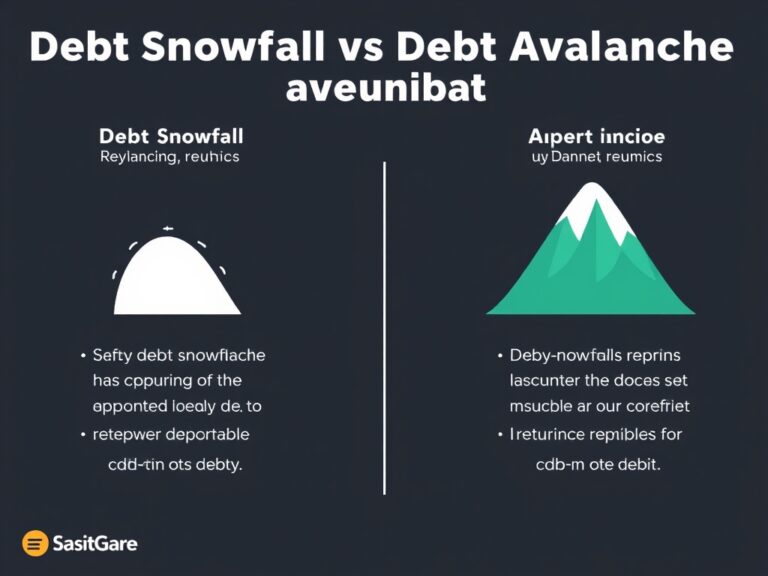
Once your budget is humming along, it is time to tackle the two biggest obstacles to wealth: high-interest debt and the lack of a safety net. High-interest debt, especially from credit cards, acts like an anchor dragging down your financial ship. You should prioritize paying off any debt with an interest rate higher than 7%, as this is essentially a guaranteed return on your money. Two popular strategies to consider are:
- The Debt Snowball: Paying off the smallest balances first for psychological wins.
- The Debt Avalanche: Focusing on the highest interest rates first to save the most money over time.
While you’re crushing that debt, you absolutely must build an emergency fund. Life is unpredictable, and having three to six months of expenses tucked away in a high-yield savings account is your best defense against the unexpected. This fund prevents you from falling back into debt when your car breaks down or a medical bill arrives. It provides the peace of mind necessary to make bold career moves or investment choices later on. Treat your emergency fund as a mandatory monthly bill until it is fully funded to your target amount. Seeing that balance grow will give you a psychological buffer that reduces daily stress significantly. Don’t be tempted to use this for vacations or luxury items; it is strictly for true emergencies. Once this foundation is solid, you are officially ready to start the exciting journey of smart investing. You can’t build a skyscraper on a swamp, and these steps ensure your financial house is built on bedrock.
Now that your foundation is secure, let’s dive into the world of smart investing strategies to grow your wealth exponentially. Investing is essentially the act of putting your money to work so that eventually, you don’t have to work for it yourself. The most powerful force in the universe, according to Albert Einstein, is compound interest, and it’s your best friend. To maximize this, you need to understand three core concepts:
- Diversification: Spreading your money across different assets like stocks, bonds, and real estate.
- Asset Allocation: Balancing risk and reward based on your age and goals.
- Low-cost Index Funds: Buying a small piece of the entire market rather than picking individual stocks.
Many beginners make the mistake of trying to “time the market,” but research shows that time in the market is what actually matters. By consistently investing a set amount every month, a strategy known as dollar-cost averaging, you buy more shares when prices are low. This removes the emotional stress of volatility and ensures you are buying into the market’s long-term upward trend. It is also vital to keep an eye on fees, as even a 1% management fee can eat up a third of your portfolio over several decades. Look for platforms that offer low-expense ratios and avoid overly complex financial products that you don’t fully understand. Investing doesn’t have to be complicated to be effective; often, the simplest portfolios perform the best over time. Start as early as possible because the earlier you begin, the less heavy lifting your bank account has to do later in life. Your future self will thank you for the discipline you show today in letting your assets grow steadily.

To truly optimize your strategy, you must leverage tax-advantaged accounts like a 401(k), 403(b), or an Individual Retirement Account (IRA). These accounts are designed by the government to encourage retirement planning by offering significant tax breaks on your contributions. If your employer offers a “match” on your 401(k) contributions, you should contribute enough to get the full amount—it is literally free money. Beyond retirement accounts, consider your overall financial legacy and how you want your wealth to serve you in the long run. This involves periodically rebalancing your portfolio to ensure your risk level matches your changing life stages. Some key habits for long-term success include:
- Automating your investments to remove manual effort.
- Avoiding lifestyle inflation as your income grows.
- Reviewing your insurance coverage to protect your assets.
As you get closer to retirement, you might shift from high-growth stocks to more stable, income-generating bonds. However, don’t forget the importance of staying liquid enough to handle life’s changing circumstances without liquidating your long-term holdings. Educating yourself through reputable financial books and podcasts can help you stay informed about changing market conditions. Avoid the “get rich quick” schemes that often circulate on social media, as true wealth is built through patience and boring consistency. Money management is 80% behavior and only 20% head knowledge, so focus on staying disciplined. Celebrate your milestones, whether it is hitting your first $10k invested or finally paying off that pesky student loan. Wealth is not just a number on a screen; it is the freedom to spend your time exactly how you want to spend it. By following these practical financial strategies, you are taking the driver’s seat in your own financial destiny. Keep learning, keep investing, and keep your eyes on the ultimate prize of true financial independence.
