Practical Financial Advice: Smart Investing & Money Management Tips
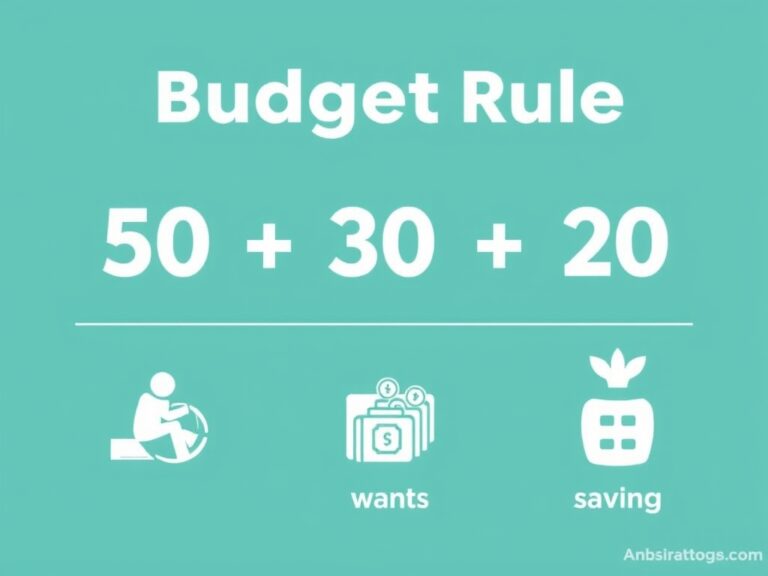
Welcome to the journey of financial freedom, where smart money management isn’t just about numbers but about creating the life you desire. Starting with a solid foundation is crucial, which is why we often recommend the 50/30/20 rule as a simple yet effective framework for your monthly budget. This strategy suggests allocating 50% of your income to needs, 30% to wants, and 20% to savings or debt repayment, ensuring you cover your basics while still enjoying life. You’ll find that tracking every penny using apps or spreadsheets helps uncover those “hidden” expenses that drain your bank account unnecessarily. It’s important to treat your savings like a non-negotiable bill that you pay to your future self every single month without fail. By automating your transfers, you remove the temptation to spend money that should be working for you instead. Remember, financial discipline isn’t about restriction; it’s about making intentional choices that align with your long-term goals. To get started, you should analyze your subscriptions, categorize your spending, and set realistic limits for yourself.
- Analyze your subscriptions
- Categorize your spending
- Set realistic limits
When you master the art of budgeting, you gain a sense of control that reduces stress and empowers your decision-making. Think of your budget as a roadmap for your financial success, guiding you through the twists and turns of economic changes. Let’s make sure your foundation is rock solid before we dive into the more complex world of investing.
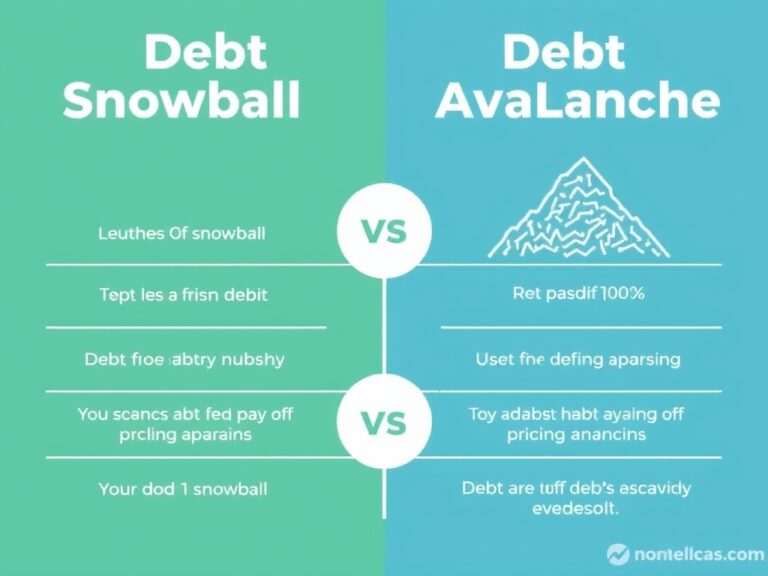
Now that we’ve handled the basics of budgeting, let’s talk about the two pillars of security: emergency funds and debt management. Life is unpredictable, and having three to six months of expenses tucked away in a high-yield savings account is your ultimate safety net against the unexpected. Without this buffer, a single car repair or medical bill could force you back into high-interest debt, undoing months of hard work. Speaking of debt, it is vital to distinguish between “good” debt, like a low-interest mortgage, and “bad” debt, such as credit card balances. To tackle high-interest debt, you might choose the Debt Avalanche method to save on interest or the Debt Snowball method for psychological wins. Both strategies are valid, but the key is consistency and refusing to add more to your balance while you pay it down. You should identify high-interest rates first, negotiate with creditors if possible, and consolidate if it lowers your APR.
- Identify high-interest rates first
- Negotiate with creditors if possible
- Consolidate if it lowers your APR
Once you clear those hurdles, the feeling of liberation is truly transformative for your financial mental health. You aren’t just paying off a balance; you are buying back your future income and reducing your financial risk profile significantly. This step is the “launchpad” that allows your investment journey to truly take flight without being weighed down. Securing your base allows you to take calculated risks later as you build your portfolio.
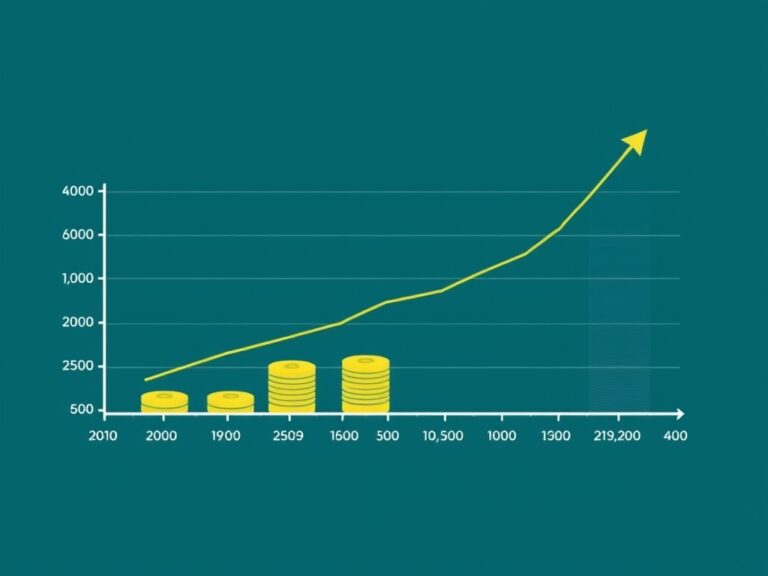
Once your debt is under control, it’s time to let your money work for you through smart investing and the power of compound interest. Many beginners feel overwhelmed by the stock market, but you don’t need to be a Wall Street pro to build significant wealth over time. Broad-market index funds and ETFs are fantastic tools because they offer instant diversification across hundreds of companies with very low fees. Instead of trying to “time the market,” which even experts struggle to do, focus on “time in the market” to maximize your gains. Dollar-cost averaging—investing a set amount regularly regardless of price—is a proven way to smooth out volatility and build a portfolio. Your strategy should focus on low-cost S&P 500 funds, diversify across sectors, and involve rebalancing your portfolio annually.
- Focus on low-cost S&P 500 funds
- Diversify across sectors and regions
- Rebalance your portfolio annually
Diversification is your best defense against market swings, ensuring that a downturn in one sector doesn’t wipe out your entire nest egg. Investing is a marathon, not a sprint, so it requires patience and a long-term perspective to see the best results. Start early, even with small amounts, because the earlier you begin, the more time your money has to grow exponentially. Small, consistent steps lead to massive long-term results that can change your family’s future. Your future self will thank you for the compound growth you initiate today through disciplined investing.
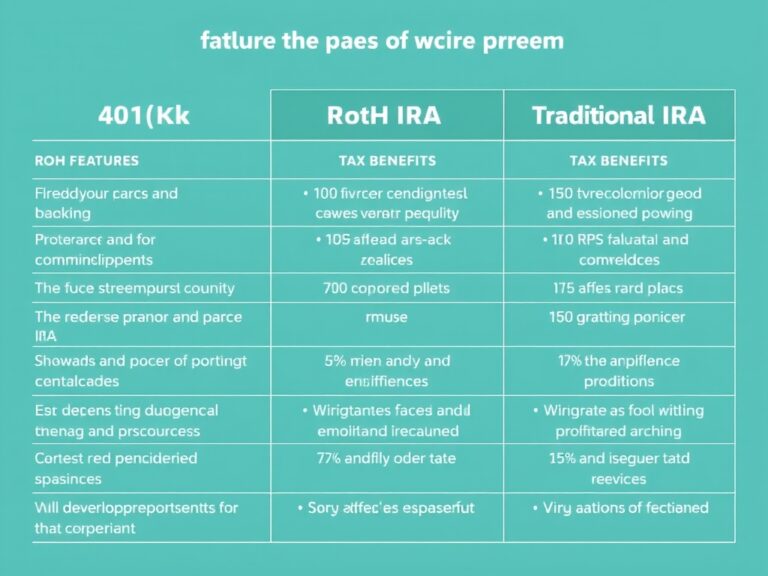
As your portfolio grows, you must become savvy about tax optimization and retirement planning to keep more of what you earn. Utilizing tax-advantaged accounts like a 401(k) or a Roth IRA can save you thousands of dollars in taxes over your lifetime. If your employer offers a 401(k) match, that is essentially a 100% return on your investment immediately—never leave that free money on the table! For those who qualify, a Roth IRA is a powerful tool because your contributions grow tax-free, and your withdrawals in retirement are also tax-exempt. It’s also worth looking into Health Savings Accounts (HSAs), which offer a unique triple-tax advantage for those with high-deductible health plans. To maximize your benefits, you should maximize employer matching first, consider Roth versus Traditional benefits, and check your annual contribution limits.
- Maximize employer matching first
- Consider Roth vs. Traditional benefits
- Check your annual contribution limits
Proper planning ensures that you aren’t just building wealth for today, but creating a sustainable income stream for your sunset years. Consult with a financial advisor if your situation becomes complex, as professional guidance can help navigate the nuances of tax laws. Staying informed about these vehicles allows you to build a robust financial fortress that protects you and your family. Knowledge is the best asset you can have in the world of finance to ensure your strategy remains efficient. Always keep an eye on how legislation changes your retirement options to stay ahead of the curve.
Finally, the most important aspect of financial success is your behavioral mindset and the ability to stay the course during market turbulence. Emotional investing, like panic selling during a dip or chasing the latest “meme stock” out of FOMO, is the fastest way to lose your hard-earned capital. True wealth is built through consistency, discipline, and the ability to ignore the daily noise of financial news cycles. Develop a written investment policy statement for yourself to remind you why you started when things get volatile or scary. It’s also wise to periodically review your goals, ensuring your strategy still aligns with your age, risk tolerance, and life changes. You must avoid emotional decision-making, keep your eyes on the long-term horizon, and educate yourself continuously to succeed.
- Avoid emotional decision-making
- Keep your eyes on the 10-year horizon
- Educate yourself continuously
Surround yourself with positive financial influences and keep learning, as the landscape of money management is always evolving. Remember that financial peace of mind is the ultimate goal, giving you the freedom to pursue your passions without constant worry. You have the tools, the knowledge, and the plan; now it’s just a matter of executing with patience and grit. Success isn’t about being lucky; it’s about being prepared and staying disciplined regardless of the external environment. Commit to your financial health today, and you will see the fruits of your labor for years to come.