
Practical Financial Advice: Smart Investing & Money Management Tips
🚀 Building Your Financial Foundation: The Art of Smart Budgeting
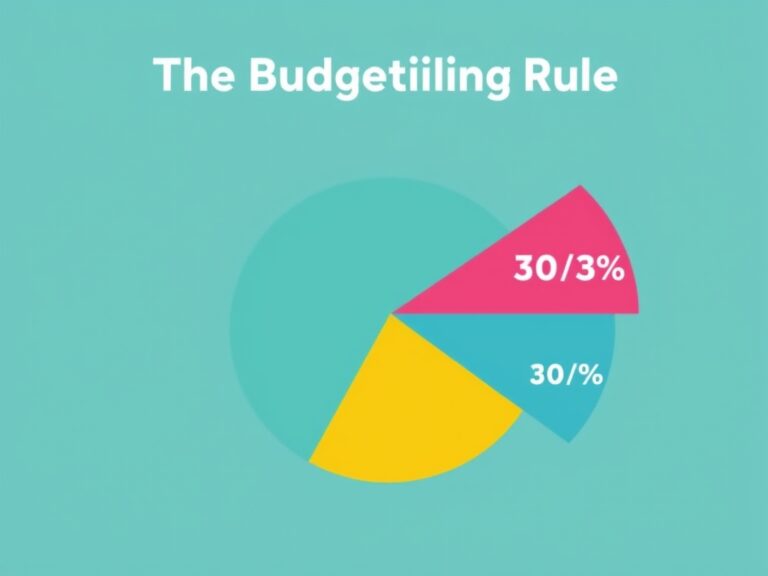
Hey there! Are you ready to take full control of your financial destiny and start building real wealth today? Smart investing and effective money management are not just for the ultra-wealthy; they are accessible skills that anyone can master with the right mindset. The very first step on this exciting journey is establishing a rock-solid budget that reflects your unique goals. I highly recommend starting with the 50/30/20 rule, which provides a simple framework for your monthly cash flow. Under this rule, you allocate 50% of your income to needs, 30% to wants, and 20% toward savings or debt. By tracking every dollar, you can easily identify ‘spending leaks’ that drain your potential. It is also vital to automate your finances so that savings happen before you even spend. Consistency always beats intensity when it comes to long-term success. There are several great digital tools available to help you stay organized and focused. For instance, you might try:
- YNAB for zero-based budgeting
- Mint for automated expense tracking
- PocketGuard for simplified spending limits
. Financial freedom is about how much you keep, not just how much you earn. Taking this first step sets the stage for everything else in your financial life. You are building a foundation that will support your future dreams and security. Now, let’s talk about tackling debt and securing your safety net.
🛡️ Defeating Debt and Building Your Emergency Shield
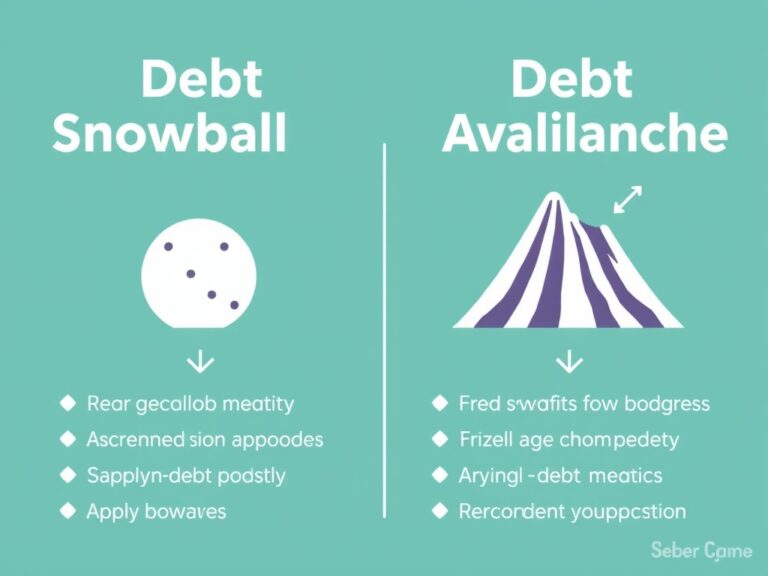
Before we dive into the stock market, we have to talk about the weight of high-interest debt. Credit cards and payday loans can often carry interest rates upward of 20%, which can stifle your financial growth. You should consider the debt avalanche method to save the most money on interest over time. Alternatively, the debt snowball method is great for building psychological momentum by paying off small wins first. No matter which you choose, the key is to stay disciplined and aggressive with your payments. Simultaneously, you must prioritize building an emergency fund to protect your progress. This fund should ideally cover three to six months of your essential living expenses. Keep this cash in a High-Yield Savings Account (HYSA) so it earns interest while remaining liquid. Having this safety net prevents you from going back into debt when life throws a curveball. Think of it as your financial insurance policy against the unexpected. It provides immense peace of mind and allows you to take calculated risks later. Don’t touch these funds unless it’s a genuine, unforeseen emergency like a medical bill. Once your high-interest debt is gone and your fund is full, you are ready for the next level. You have effectively cleared the path for true wealth creation and investment. Let’s explore the exciting world of smart investing basics.
📈 Smart Investing: The Power of Compound Interest
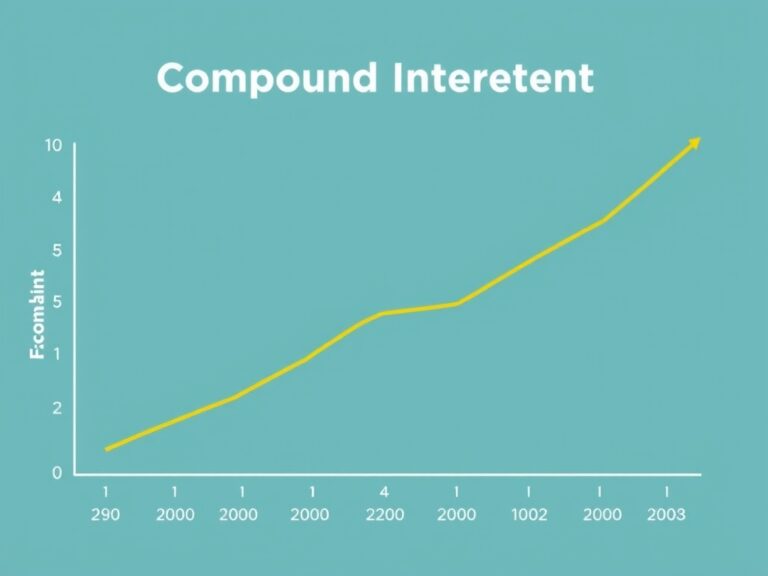
Smart investing is less about picking the ‘next big stock’ and more about time in the market. Many people make the mistake of trying to time market cycles, but this rarely works for retail investors. Instead, focus on the power of compound interest, which Albert Einstein famously called the eighth wonder of the world. Start as early as you can, because even small amounts can grow significantly over several decades. A highly effective and low-stress strategy is to invest in Index Funds or ETFs. These funds allow you to own a tiny piece of hundreds of companies at once with minimal effort. Diversification is your best friend because it spreads out your risk across different economic sectors. You should aim to keep your expense ratios low to maximize your long-term returns. Consider these primary asset classes for a balanced portfolio:
- Domestic Stocks for growth
- International Stocks for global exposure
- Bonds for stability
- REITs for real estate exposure
. Be honest with yourself about your risk tolerance and how much volatility you can stomach. Investing is a long-term game that requires patience and a cool head during turbulence. Don’t panic when the market dips; see it as an opportunity to buy at a discount. Your wealth will grow as the global economy expands over time. Keep contributing regularly through a process called dollar-cost averaging to smooth out your entry price. Next, we will discuss the best places to house these investments for tax efficiency.
🏦 Maximizing Tax-Advantaged Accounts and Efficiency
Understanding where to hold your investments is just as important as what you are actually buying. You should always take advantage of tax-sheltered accounts provided by the government or your employer. If your company offers a 401(k) match, that is essentially a 100% return on your money immediately. Never leave that ‘free money’ on the table if you have the means to contribute. Additionally, a Roth IRA is a fantastic tool because your money grows tax-free and withdrawals are tax-free in retirement. Health Savings Accounts (HSAs) are another hidden gem with triple-tax advantages for medical costs. Here is a quick hierarchy of where to put your money:
- Employer Match (The Priority)
- HSA (For Medical and Tax Benefits)
- Roth IRA (For Tax-Free Growth)
- Taxable Brokerage (For Excess Savings)
. Managing your taxes now can result in hundreds of thousands of extra dollars in your pocket later. Make sure to rebalance your portfolio once a year to keep your asset allocation on track. Avoid the temptation to trade frequently, as capital gains taxes can eat into your net profits. Passive investing usually outperforms active trading for the vast majority of long-term investors. Keep your strategy simple so that you actually stick with it during market shifts. Automation again plays a huge role in making this a hands-off and successful process. Your accounts should work for you while you focus on living your life to the fullest. Finally, let’s touch on the mindset needed to stay the course for the long haul.
🧠 The Wealthy Mindset: Discipline and Long-Term Success
True wealth is often the money that you don’t see spent on fancy cars or designer clothes. One of the biggest threats to your financial success is lifestyle creep as you earn more. As your income increases over your career, try to maintain your current standard of living and invest the difference. Financial literacy is not a one-time event; it is a lifelong pursuit of knowledge and growth. I recommend reading classic books to deepen your understanding of money psychology and behavior. Staying disciplined during market downturns is what separates successful investors from the rest of the pack. Remember that volatility is a natural part of the journey toward achieving higher returns. Focus on the variables you can actually control, like your savings rate and your investment fees. Develop healthy daily habits to keep your finances top of mind:
- Review your daily transactions
- Check your annual goals regularly
- Read financial news to stay informed
. Be patient and allow the math of compounding to work its magic over the years. Celebrate the small milestones, like hitting your first $10k or $100k in total net worth. These wins provide the motivation to keep going when the road gets tough or boring. Ultimately, money is just a tool to help you achieve the life of your dreams. Use it to buy back your time and create freedom for yourself and your family. You now have the roadmap; it’s time to take action and build your legacy.