

Practical Financial Advice: Smart Investing Strategies & Money Management Tips
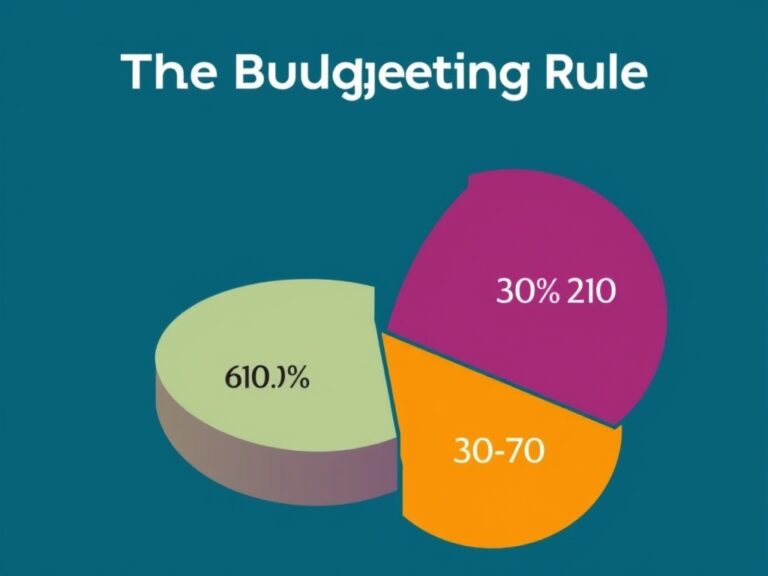
Hey there! Let’s dive deep into the world of personal finance because mastering your money is the first step toward true freedom. Most people think “budgeting” is a restrictive or boring word, but it’s actually your roadmap to living the life you want. I highly recommend using the 50/30/20 rule to keep your finances simple and effective. Under this plan, you allocate 50% of your income to needs, 30% to wants, and 20% to savings or debt repayment. It’s all about intentionality and knowing exactly where every dollar goes. When you start tracking your spending, you’ll likely realize where your hard-earned cash is bleeding out unnecessarily. Small changes, like brewing your own coffee or cutting unused subscriptions, can add up to thousands over a decade. However, don’t forget to treat yourself occasionally; the goal here is sustainable balance rather than total deprivation. Think of your budget as a living document that grows and evolves as your life changes. By maintaining this structure, you ensure that you are paying yourself first before anyone else. Let’s make your money work hard for you instead of you working endlessly for it. Setting a solid foundation now prevents headaches later down the road. You deserve to have a clear picture of your financial health. Your journey to wealth begins with a single, well-tracked dollar.
Once your budget is humming along, we need to build a solid fortress around your financial life. This starts with creating a robust Emergency Fund to catch you when life throws a curveball. Ideally, you want to have 3 to 6 months of essential living expenses tucked away in a safe place. This fund acts as your personal insurance policy, preventing you from raiding your long-term investments when the car breaks down or a medical bill arrives. Next, we must tackle high-interest debt, specifically those pesky credit cards. High interest is often called a “wealth killer” because its rates are usually much higher than any return you’ll get in the stock market. There is an incredible psychological benefit to having that cash cushion sitting in the bank. It provides you with the “sleep well at night” factor that every investor needs. You aren’t just saving money; you are buying yourself future peace of mind and security. Every dollar you save today is a sturdy brick in your future financial wall. Start small if you have to, but start building that safety net today. We also suggest the following steps for maximum efficiency:
- Prioritize high-interest debt first using the avalanche method.
- Automate your savings transfers to remove any daily temptation to spend.
- Keep your emergency funds in a High-Yield Savings Account (HYSA) for extra interest.
Once the foundation is laid, you are ready to start growing your wealth. You’ll feel much more confident taking risks when you know you’re protected.

Now that you have a safety net, let’s get into the most exciting part: Smart Investing Strategies. Investing isn’t just a playground for Wall Street gurus; it is a vital tool for everyone looking to build long-term wealth. The most powerful mathematical force in your financial arsenal is undoubtedly Compound Interest. Albert Einstein famously called it the eighth wonder of the world for a very good reason. When you reinvest your earnings, those earnings start generating their own earnings in a beautiful cycle. This exponential growth is why starting early—even with very small amounts—is absolutely crucial for success. Remember that “time in the market” almost always beats trying to “time the market” perfectly. Don’t wait for the “perfect” economic moment to start, because that moment simply doesn’t exist. Your future self will thank you immensely for the seeds you plant in the ground today. Investing should be viewed as a long-distance marathon, not a high-speed sprint. Stay consistent and let the power of time do the heavy lifting for you. Here are some quick tips to get you moving:
- Start investing today, even if you can only manage $50 a month.
- Focus on low-cost Index Funds to capture broad market growth.
- Always reinvest your dividends automatically to accelerate the compounding process.
The magic happens when you let your money grow undisturbed for years.

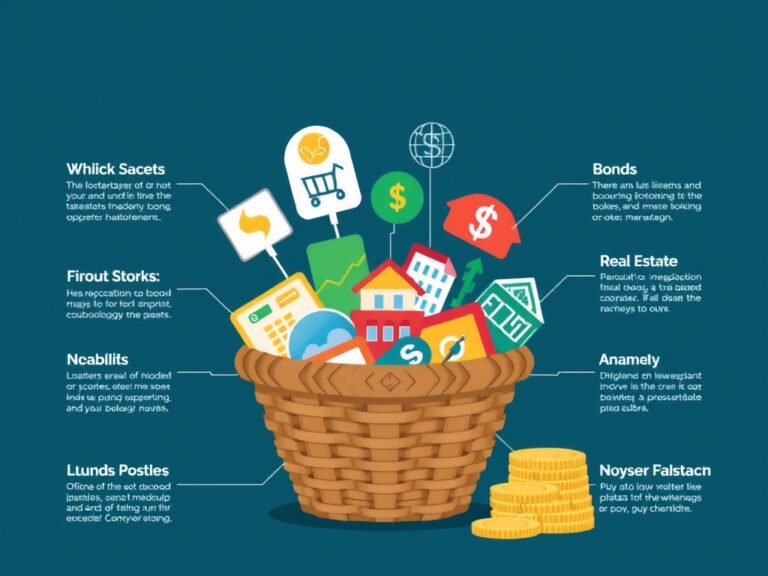
As you build your investment portfolio, Diversification will become your best friend and your primary shield. You’ve likely heard the old saying “don’t put all your eggs in one basket,” and it’s a core principle of finance. By spreading your money across different asset classes like stocks, bonds, and real estate, you significantly reduce your overall risk profile. Asset Allocation is the strategic process of deciding how much of each asset you should own based on your age and risk tolerance. If one sector of the economy takes a dip, another might rise or stay flat, keeping your total account value more stable. This strategy is about managing volatility so you don’t feel the urge to panic-sell during a temporary market crash. A well-diversified portfolio is like a sturdy, well-built ship that can navigate through any storm. You want to stay the course while other less-prepared investors are jumping overboard in fear. Knowledge is power, and understanding how to balance risk is the first step to mastering your portfolio. Diversification doesn’t just protect you from loss; it also positions you for varied opportunities across the global market. Review your allocation annually to ensure it still aligns with your long-term goals. Consider the following roles for your assets:
- Stocks provide the high-octane fuel for long-term growth.
- Bonds offer stability and act as a parachute during market turbulence.
- Real estate can provide tangible value and potential rental income.
Balancing these correctly is the secret to long-term survival in the markets.
Finally, the most critical component of successful Money Management is actually your own behavior and mindset. You can have the most sophisticated strategy in the world, but if you can’t control your emotions, you will likely struggle. One common trap to avoid is “lifestyle creep,” which is the tendency to spend more just because your income has increased. Instead of upgrading your car every time you get a raise, try to keep your living expenses stable. This allows you to increase your investment contributions and reach financial freedom much faster. Automate everything in your financial life so that you don’t have to rely on willpower every single month. Success in personal finance is generally considered to be 20% head knowledge and 80% consistent behavior. If you stay disciplined, patient, and focused on the long term, building wealth becomes an inevitability. Remember, financial freedom isn’t just about having a million dollars in the bank; it’s about having the power to live life on your own terms. You have all the tools you need to succeed, so take that first step today with confidence. Your journey toward a secure and prosperous future starts with the very next dollar you manage. Keep your eyes on the prize and don’t let temporary setbacks derail your progress. For best results, keep these habits in mind:
- Set up automatic transfers from your checking account to your brokerage accounts.
- Schedule a time to review your financial goals and progress every six months.
- Stay educated by reading reputable sources, but avoid the frantic noise of daily financial news.
You are the architect of your own financial destiny.