Practical Financial Advice: Smart Investing Strategies & Money Management Tips
🚀 Master Your Cash Flow: The Foundation of Financial Freedom
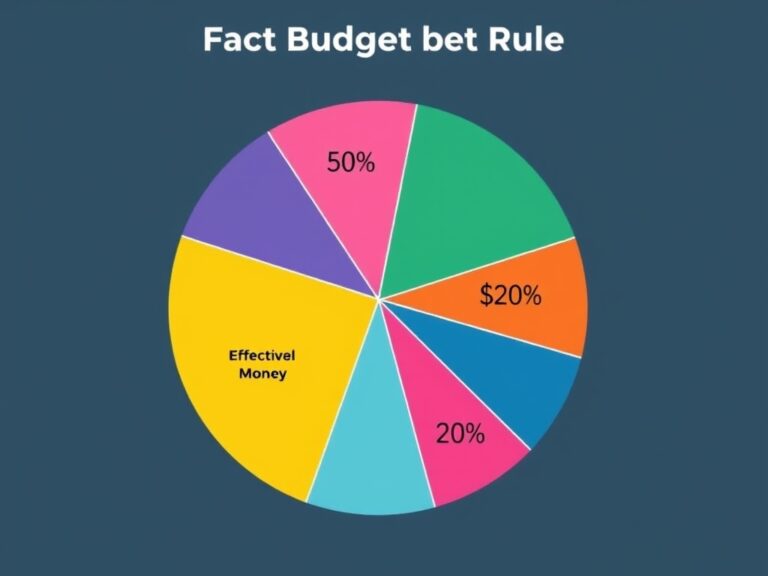
Managing your money effectively starts with a shift in mindset; it’s not about restriction, but about intentionality. Before you can dive into complex investing strategies, you must have a clear picture of where every dollar is going. I always recommend the 50/30/20 rule as a starting point: 50% for needs, 30% for wants, and 20% for savings or debt repayment. 📊 By tracking your expenses through apps or simple spreadsheets, you regain control over your financial narrative. It’s also vital to differentiate between ‘good debt’ and ‘bad debt’ early on. High-interest credit card debt is a wealth-killer that needs to be addressed immediately. On the other hand, a low-interest mortgage can often be seen as a tool for leverage.
- Track every penny for 30 days.
- Automate your savings to remove temptation.
- Audit your subscriptions regularly.
Building this discipline creates the surplus needed for the next steps in your journey. Think of your budget as a roadmap that guides you toward your ultimate goals. Without it, even the best investing advice won’t help you much because you won’t have the capital to execute it. Start today, stay consistent, and watch how quickly your financial clarity improves.
🛡️ Building Your Financial Fortress: Debt Mastery and Safety Nets
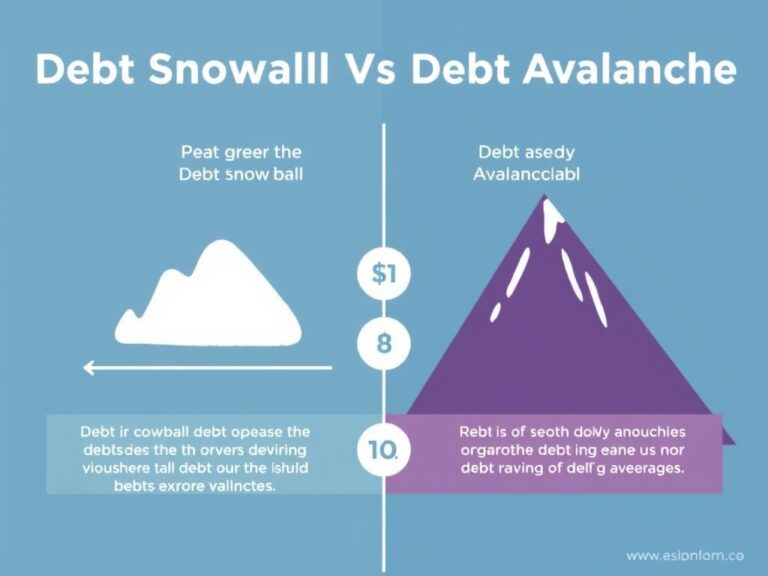
Once your budget is in place, the next priority is creating a financial safety net that allows you to sleep soundly at night. An emergency fund consisting of three to six months of essential living expenses is your best defense against life’s unexpected curveballs. 🏗️ This fund should be kept in a high-yield savings account so it stays liquid but still earns a bit of interest. While building this, you should simultaneously tackle high-interest debts using either the Debt Snowball or Debt Avalanche method. The Snowball method focuses on the psychological win of paying off small balances first, while the Avalanche method targets the highest interest rates to save money over time. 💡 Both methods work, but the key is choosing the one that keeps you motivated to keep going. Remember, debt is often the biggest hurdle to building true wealth.
- Target high-interest credit cards first.
- Avoid taking on new debt while paying off the old ones.
- Negotiate with creditors for lower interest rates if possible.
Having no high-interest debt and a solid emergency fund gives you the ‘dry powder’ needed to invest aggressively. It changes your perspective from one of survival to one of long-term growth. This foundation is what prevents a single bad month from ruining years of hard work.
📈 Smart Investing: Growing Your Wealth While You Sleep
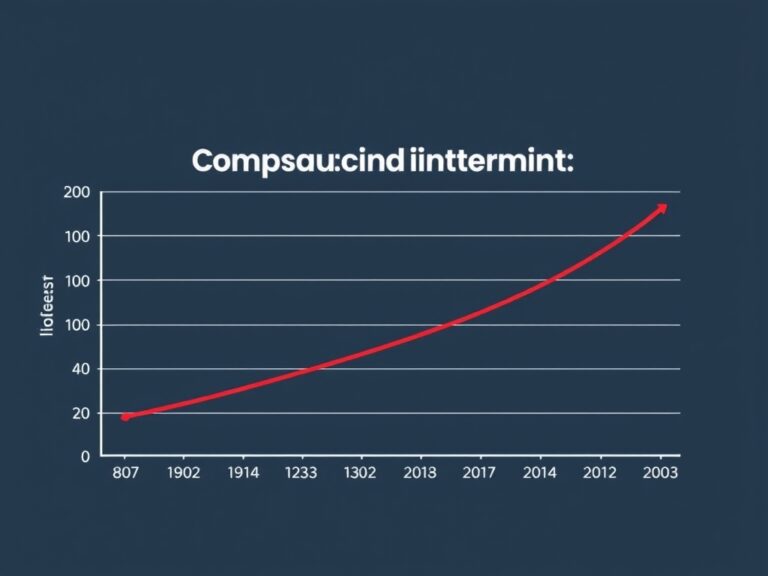
Now that your foundation is solid, let’s talk about smart investing strategies that can turn your savings into a fortune over time. The most important concept to grasp is diversification—essentially, not putting all your eggs in one basket. 🌍 For most people, a mix of low-cost index funds and ETFs is the most efficient way to capture market growth without taking on excessive risk. You should also understand the magic of compound interest, which Albert Einstein famously called the eighth wonder of the world. By starting early and reinvesting your dividends, your money begins to make money for itself. 🕒 Don’t try to time the market; instead, focus on time in the market.
- Use Dollar-Cost Averaging to reduce volatility.
- Focus on low expense ratios to keep more of your returns.
- Rebalance your portfolio annually to maintain your target risk.
Investing isn’t about getting rich quick; it’s about staying disciplined and letting the global economy work for you. Whether you are interested in stocks, real estate, or bonds, the goal is consistent contribution. Avoid the hype of ‘meme stocks’ or overnight trends that could lead to significant losses. Stick to a proven strategy and let patience be your greatest asset.
🏦 Planning for the Future: Retirement Accounts and Tax Efficiency
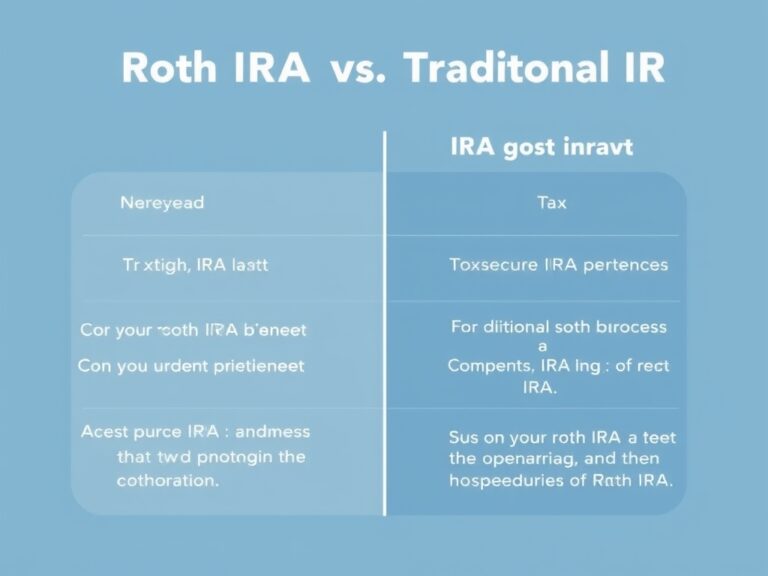
To truly maximize your wealth, you must understand the tax advantages of various retirement accounts available to you. If your employer offers a 401(k) match, that is essentially free money and should be your first priority. 🎁 Beyond that, consider an Individual Retirement Account (IRA), which comes in two main flavors: Traditional and Roth. With a Roth IRA, you pay taxes now but enjoy tax-free withdrawals in retirement, which is a massive benefit if you expect to be in a higher tax bracket later. Tax-loss harvesting is another advanced strategy where you sell losing investments to offset gains, lowering your overall tax bill. ⚖️ It is also crucial to ensure your asset allocation aligns with your age and retirement timeline.
- Max out employer matching programs immediately.
- Utilize Health Savings Accounts (HSAs) for triple tax benefits.
- Consider the tax implications of every trade you make.
Keeping more of what you earn is just as important as the investment returns themselves. A well-optimized tax strategy can add hundreds of thousands of dollars to your net worth over a lifetime. Don’t leave this to chance; do your research or consult with a fee-only advisor to fine-tune your approach. Your future self will thank you for the foresight you show today.
💎 The Long Game: Discipline, Diversification, and Financial Peace
The final piece of the puzzle is maintaining a long-term mindset and protecting the wealth you’ve worked so hard to build. Market volatility is a natural part of the investing cycle, and the worst thing you can do is sell in a panic during a downturn. 🌊 Instead, view market dips as ‘sales’ where you can buy high-quality assets at a discount. Risk management also includes having the right insurance—life, health, and disability—to protect your income and your family’s future. 🛡️ As you build wealth, estate planning becomes vital to ensure your legacy is handled according to your wishes. Financial freedom isn’t just about a number in a bank account; it’s about the peace of mind and the options that money provides.
- Ignore short-term market noise and news cycles.
- Review your financial goals at least once a year.
- Stay humble and continue learning about finance.
Success in finance is 20% head knowledge and 80% behavior. If you can master your habits and stay the course, you are virtually guaranteed to achieve your financial dreams. Remember that wealth is a marathon, not a sprint, and every small, smart decision you make today compounds into a better tomorrow. Keep your eyes on the horizon and stay dedicated to your journey.