
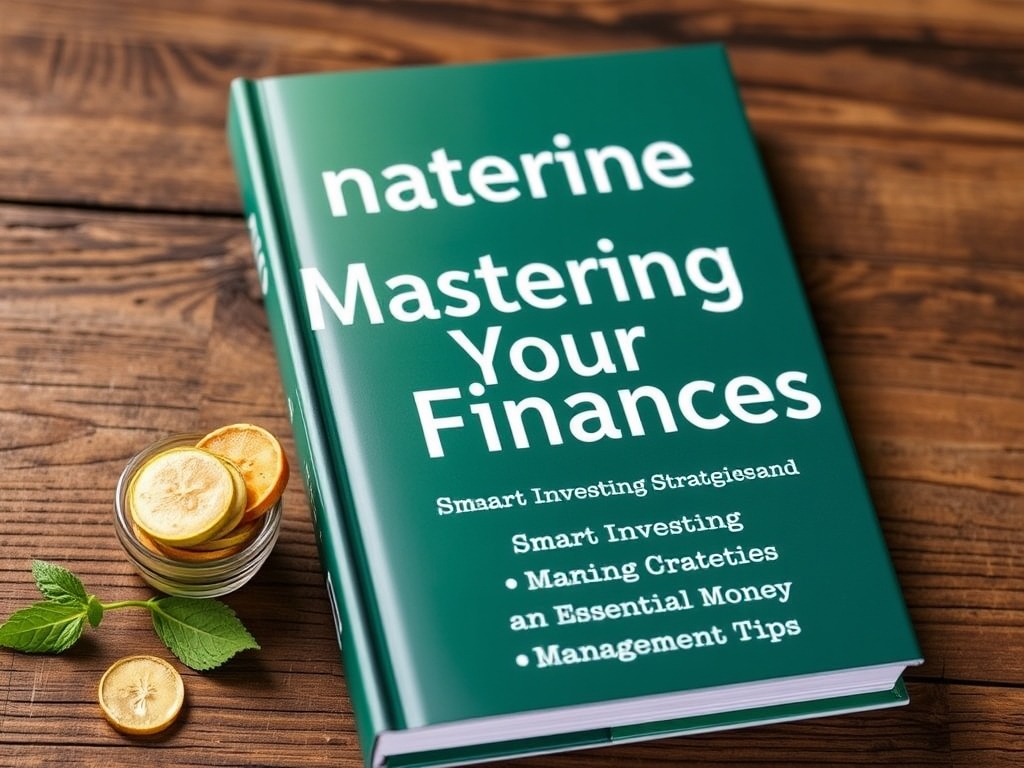
Mastering Your Finances: Smart Investing Strategies and Essential Money Management Tips
Take Control of Your Financial Future Today
Mastering your finances isn’t just about crunching numbers; it’s about gaining the freedom to live life on your own terms. Many people feel overwhelmed by complex jargon, but the truth is that effective money management starts with small, consistent habits. To begin your journey, consider these foundational steps:
- Track every dollar you spend for one month
- Set clear, measurable financial goals
- Create a budget that prioritizes your needs before your wants
- Automate your savings to ensure progress
By focusing on these basics, you establish the discipline necessary for long-term growth. It is perfectly normal to feel intimidated at first, but remember that even the most successful investors started with a single step. Consistency is your greatest asset in the world of personal finance. Once you move past the initial hurdle of tracking, you will find that financial literacy becomes second nature. Treat your budget like a map that guides you toward your destination, rather than a cage that restricts your lifestyle. You deserve to feel empowered by your choices, not stressed by them.
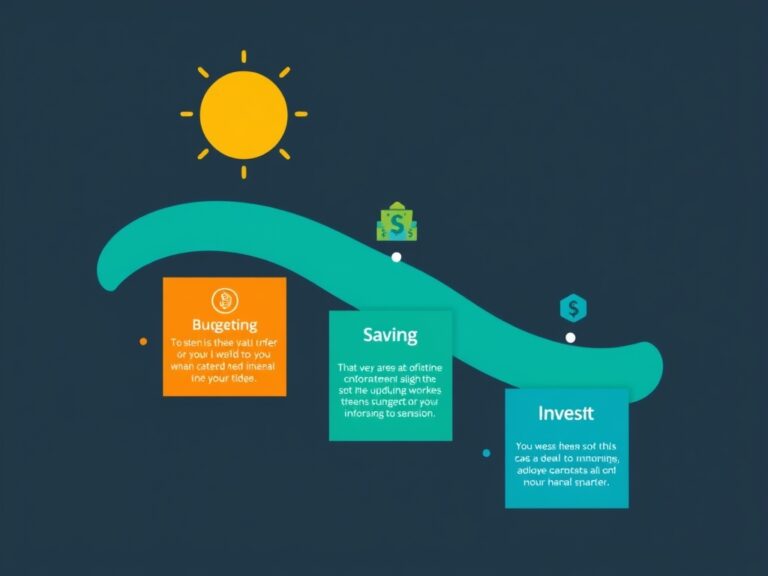
The Art of Smart Investing Strategies
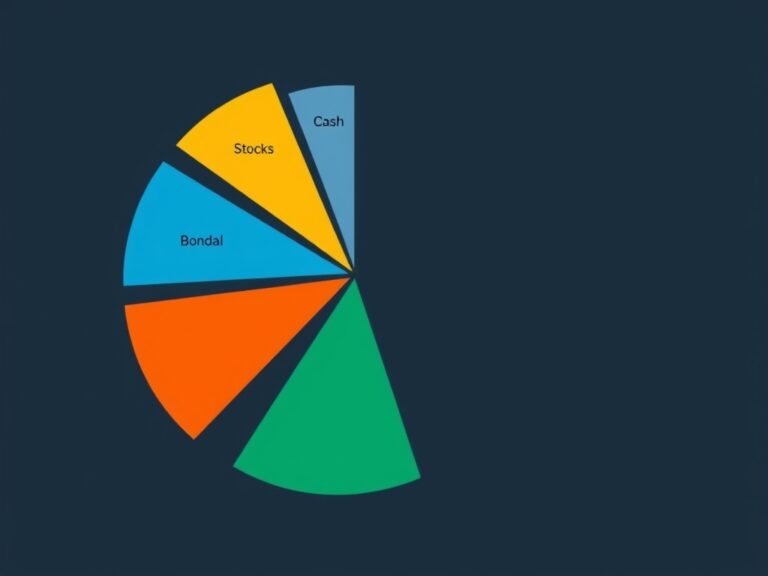
Once your budget is stable, it is time to shift your focus toward smart investing strategies that help your money work for you. Investing is not a get-rich-quick scheme; rather, it is a proven method to beat inflation and grow your wealth exponentially over time. Consider diversifying your portfolio with a mix of assets, such as index funds, stocks, and bonds, to mitigate potential market risks. Understanding your personal risk tolerance is crucial before putting your hard-earned cash into any specific vehicle.
- Start with low-cost index funds for broad market exposure
- Utilize tax-advantaged accounts like 401(k)s or IRAs
- Reinvest your dividends to take advantage of compound interest
- Avoid timing the market and focus on long-term time horizons
Always remember that time in the market is significantly more valuable than timing the market. By keeping a cool head during market volatility, you can avoid emotional decision-making that often leads to losses. Diversification is the closest thing to a ‘free lunch’ in the world of finance, so never put all your eggs in one basket. Keep learning and stay curious about different asset classes to build a robust portfolio that stands the test of time.
Essential Money Management Tips for Daily Life
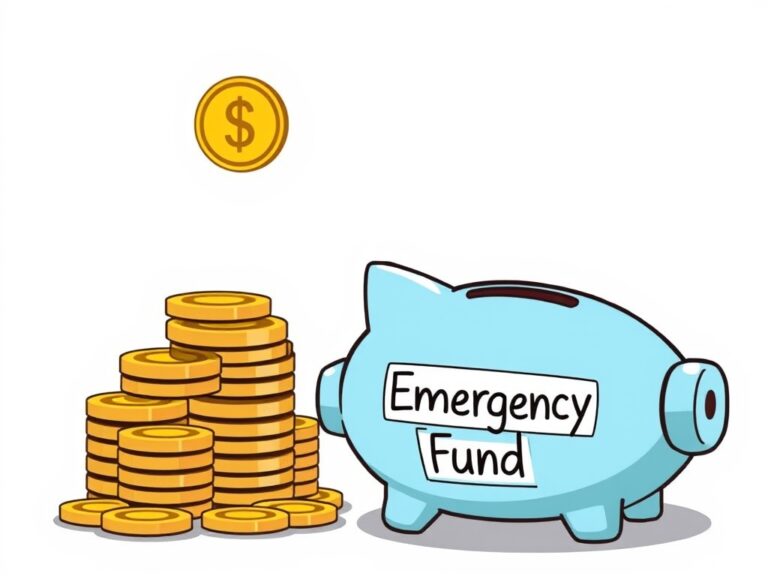
Beyond investing, daily money management remains the secret sauce to maintaining a healthy relationship with your finances. One of the best tips is to cultivate an emergency fund that covers at least three to six months of your living expenses. This safety net provides peace of mind, allowing you to handle unexpected life events without falling into high-interest debt traps.
- Audit your recurring subscriptions to cut unnecessary costs
- Adopt the ‘pay yourself first’ mentality every paycheck
- Learn to distinguish between genuine needs and fleeting wants
- Set up automatic payments for all bills to avoid late fees
Managing your debt effectively is another critical piece of the puzzle, specifically focusing on high-interest credit cards. If you feel stuck, consider using the debt snowball or debt avalanche methods to systematically pay off balances. Being mindful of your spending doesn’t mean you have to give up all your joys; it simply means choosing to spend on what truly brings value to your life. When you align your spending with your values, you experience less regret and more financial clarity. Success in money management is a marathon, not a sprint, so be kind to yourself along the way.
Building Long-Term Wealth with Confidence
As you continue mastering your finances, keep in mind that wealth building is ultimately about building a lifestyle you love while ensuring your future security. The combination of smart investing strategies and disciplined money management creates a powerful engine for success that can last for decades. Never stop educating yourself, as the financial landscape is constantly evolving with new tools and regulations that might benefit you.
- Read reputable financial books and blogs regularly
- Consult with a fiduciary financial advisor if you need personalized guidance
- Review your financial plan at least once every six months
- Celebrate your small wins to keep your motivation high
You possess the capability to change your financial trajectory, and every decision you make today ripples into your future. Keep track of your progress through spreadsheets or apps, as seeing the numbers grow can provide immense satisfaction. By maintaining this proactive approach, you will eventually reach a state of financial independence where money is no longer the primary concern in your decision-making. Stay focused, stay patient, and stay committed to the process. You have the tools, the knowledge, and the determination to reach every goal you set for yourself in the realm of personal finance.