

Master Your Finances: Practical Tips and Smart Investing Strategies for Long-Term Wealth
Welcome to the exciting journey of financial mastery! Achieving long-term wealth isn’t just about how much you earn, but how effectively you manage what you keep. Many people view finance as a daunting chore, but I want to show you that it’s actually an empowering tool for ultimate freedom. Success starts with a clear vision of your goals—whether that’s early retirement, buying a dream home, or traveling the world. You need to develop a ‘wealth mindset’ where you treat every dollar as a potential soldier working for your future self. It’s about shifting from short-term gratification to long-term sustainability and growth. We will explore how to automate your finances so that wealth building becomes a seamless background process. By the end of this guide, you’ll have a comprehensive roadmap to navigate the complex world of money with total confidence. Let’s dive deep into the mechanics of financial literacy and smart money habits together. Remember, the best time to start was yesterday, but the second best time is right now. Mastering your finances is a marathon, not a sprint, so let’s get your shoes laced up for the long haul.
- Define your ‘Why’
- Set SMART financial goals
- Audit your current spending habits
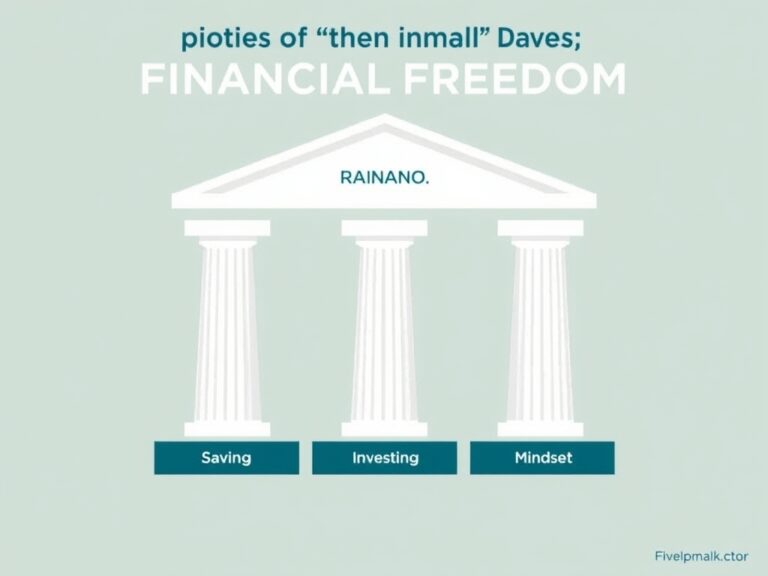
To build a solid financial house, you need a rock-solid foundation, and that starts with the art of budgeting. I know ‘budget’ sounds like a dirty word to many, but think of it as a spending plan that gives you permission to spend on what truly matters. A popular and highly effective method is the 50/30/20 rule: 50% for needs, 30% for wants, and 20% for savings and debt repayment. Tracking your expenses using modern apps or simple spreadsheets reveals exactly where your money ‘leaks’ are occurring. Most people are genuinely surprised to find they spend hundreds on unused subscriptions or impulsive dining out. By plugging these leaks, you instantly find ‘hidden’ money to fuel your smart investing strategies. Don’t forget the vital importance of an emergency fund; aim for 3-6 months of living expenses tucked away in a high-yield savings account. This fund acts as your financial safety net, preventing you from dipping into investments when life throws a curveball. Consistently reviewing your budget allows you to pivot and adjust as your income or lifestyle naturally changes. Managing your cash flow effectively is the first step toward total financial control and peace of mind. Small changes in your daily spending habits can lead to massive differences in your bank balance over time.
- Automate your monthly savings transfers
- Use cash-back rewards programs wisely
- Review your bank statements every month

Once your budget is under control, it’s time to put your money to work through the power of smart investing. The magic of compound interest is your greatest ally in building substantial long-term wealth. Even small amounts invested early can grow into a fortune over several decades because you earn interest on your interest. For beginners, the stock market can seem like a complex casino, but it’s actually a proven vehicle for growth if you follow a disciplined approach. Diversification is the golden rule here; you should never put all your eggs in one single basket. By spreading your investments across different asset classes like stocks, bonds, and real estate, you minimize risk while capturing broad market growth. Consider low-cost Index Funds or ETFs that track the entire market, providing instant diversification with minimal management fees. High fees can eat up a significant portion of your total returns over time, so always look for low ‘expense ratios’ when choosing funds. Don’t try to ‘time the market’ by guessing peaks and valleys, as even the most seasoned experts struggle with that. Instead, focus on your total ‘time in the market’ to ride out the inevitable fluctuations and come out ahead. Investing is ultimately about patience, emotional control, and staying the course through various market cycles.
- Understand your personal risk tolerance
- Rebalance your portfolio at least once annually
- Keep investment costs as low as possible
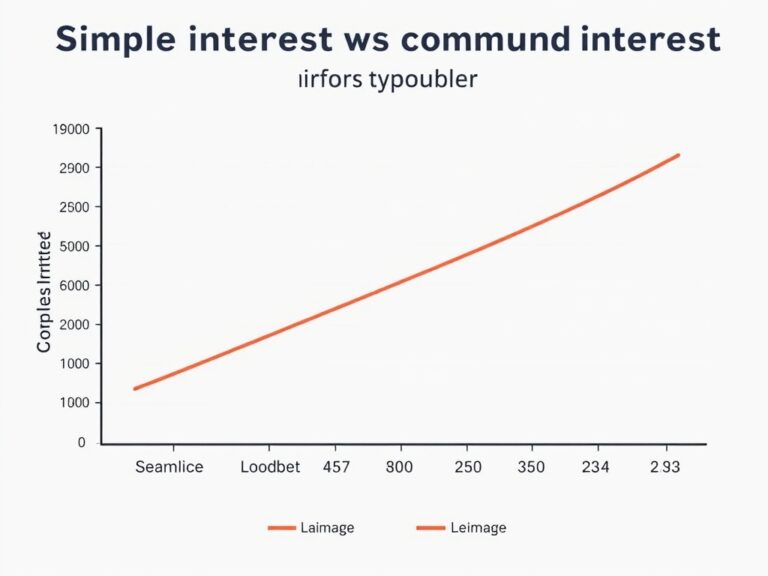
Thinking about the future means maximizing your retirement accounts today to ensure a comfortable and secure lifestyle later. If your employer offers a 401(k) match, you must take full advantage of it because that is essentially free money and an immediate 100% return. Additionally, Roth IRAs are fantastic tools because they allow your money to grow tax-free, and your withdrawals in retirement are also tax-exempt. As you build your portfolio, look for creative ways to create passive income streams that generate cash with minimal ongoing effort. This might include dividend-paying stocks, rental properties, or even creating your own digital products or intellectual property. Passive income significantly reduces your reliance on a traditional 9-to-5 job and greatly accelerates your path to financial independence. It’s also crucial to protect your wealth through proper insurance coverage and comprehensive estate planning. Life insurance, disability insurance, and a clear legal will ensure that your hard-earned assets are preserved for your loved ones. Maxing out your tax-advantaged accounts should be a top priority in your long-term financial strategy. Building wealth is as much about protecting what you already have as it is about growing it further through the markets. Consistency is the secret ingredient that turns modest earners into wealthy retirees over the span of a career.
- Max out your tax-advantaged accounts
- Reinvest all your dividends automatically
- Consult a qualified financial advisor if needed

You cannot truly master your finances while being weighed down by the heavy burden of high-interest consumer debt. Credit card debt is a notorious wealth-killer, often carrying interest rates above 20% which can easily wipe out any investment gains you make. Use proven strategies like the Debt Avalanche method to pay off highest interest rates first, or the Debt Snowball to gain psychological momentum. While not all debt is inherently ‘bad’—for instance, a low-interest mortgage can be a useful tool—it must always be managed very strategically. Simultaneously, maintaining a high credit score is vital because it determines the interest rates you will pay on all major life purchases. A good credit score can save you tens of thousands of dollars in interest over the life of a standard home loan. Avoid opening too many new accounts at once and always make sure to pay your bills on time to keep your credit profile healthy. By eliminating toxic debt, you free up more of your capital to invest in your future and steadily increase your net worth. Negotiate with your creditors for lower interest rates if you find yourself struggling with high monthly payments. Finalizing your debt strategy is the final critical piece of the puzzle in your journey toward total financial mastery. Your future self will thank you for the sacrifices you make today to live a debt-free and prosperous life.
- Negotiate for lower credit card interest rates
- Always pay more than the minimum monthly balance
- Monitor your credit report regularly for errors