

Mastering Your Wealth: Practical Money Management Tips and Smart Investing Strategies for Financial Success
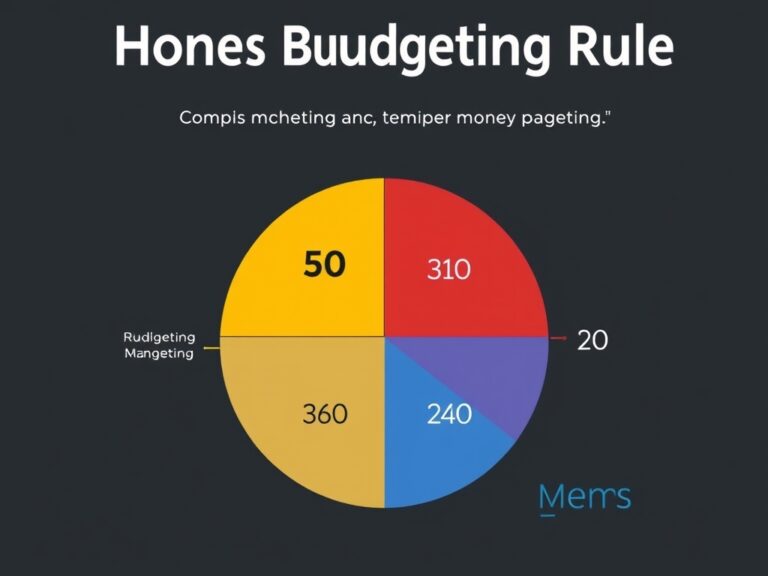
Let’s talk about the bedrock of true financial freedom: money management. Mastering your wealth isn’t just about how much you earn, but how much you actually keep in your pocket at the end of the day. Start by tracking every penny to see exactly where your cash flows each month using an app or a simple spreadsheet. A popular and effective method is the 50/30/20 rule, which allocates your income into specific, manageable buckets. These buckets are:
- 50% to essential needs like housing and groceries.
- 30% to personal wants like dining out and hobbies.
- 20% to savings and aggressive debt repayment.
By categorizing your spending this way, you gain immediate and absolute control over your financial destiny. You’ll soon realize that those small, daily coffee runs can add up to significant annual amounts that could be invested elsewhere. Understanding your cash flow allows you to make informed decisions rather than emotional ones based on temporary impulses. It is absolutely essential to treat your savings like a non-negotiable bill that must be paid first before anything else. This proactive approach ensures that you are building a safety net while still enjoying your current life. Consistency is the secret sauce to making any budget work over the long term, so don’t give up if you slip one month. Remember, a budget isn’t a restriction; it is actually a roadmap to your future dreams. With a solid plan in place, you are no longer a victim of your circumstances but a master of your wealth.
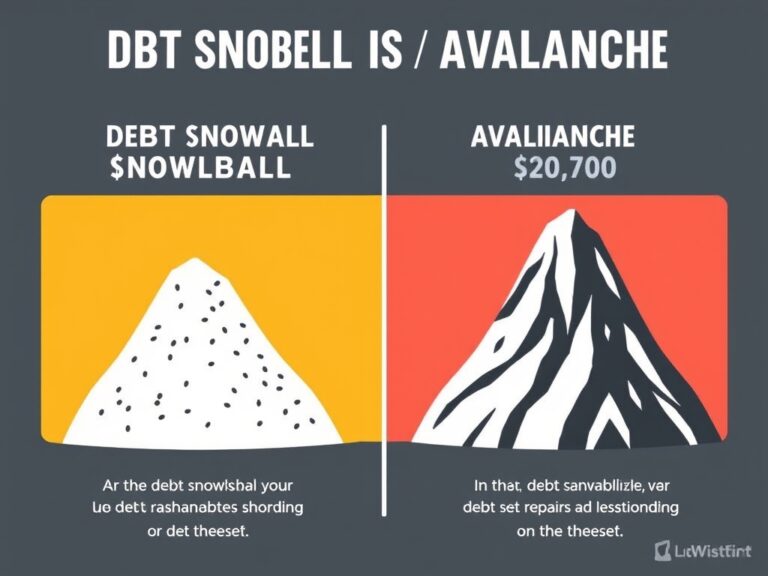
Once you have a budget, it’s time to tackle the obstacles standing between you and financial success: high-interest debt. Credit cards can be a useful tool, but their high interest rates can quickly spiral out of control if not managed properly. Focus on proven methods like the ‘Debt Avalanche’ or ‘Debt Snowball’ to regain your freedom and peace of mind. The Avalanche method prioritizes high-interest loans to save money on interest, while the Snowball method focuses on small balances for quick psychological wins. While paying down debt, you must simultaneously build a robust emergency fund to avoid future borrowing. Most experts recommend keeping three to six months of living expenses in a liquid, high-yield savings account. This fund acts as a crucial buffer against life’s unexpected turns, such as medical bills or sudden car repairs. Having this cash reserve prevents you from dipping into your long-term investments during a market downturn. It provides a sense of peace and security that is truly priceless in today’s volatile and unpredictable economy. You should aim to automate your savings so the money is moved before you even have a chance to spend it. This ‘set it and forget it’ mentality is a key pillar to achieving long-term stability and growth. Eventually, your high-interest debt will vanish, and your savings will grow into a powerful foundation for building serious wealth. This transition is where the real fun and potential of wealth building truly begins.
Now that your foundation is secure, let’s dive into smart investing strategies to grow your wealth exponentially over the coming years. Investing is the process of putting your hard-earned money to work so it can generate even more money through growth and dividends. One of the most critical concepts to master is diversification, which effectively means not putting all your eggs in one single basket. By spreading your capital across different asset classes, you reduce risk while maintaining high growth potential. 🚀 Key Investment Vehicles to Consider:
- Stock Market Index Funds for broad market exposure.
- Real Estate Investment Trusts (REITs) for property income.
Compound interest is often called the eighth wonder of the world for a very good and mathematically sound reason. The earlier you start your journey, the more time your money has to double and triple through the power of time. Don’t try to time the market, as even professional experts find that nearly impossible to do consistently. Instead, practice dollar-cost averaging by investing a fixed amount regularly regardless of the current share price. This strategy naturally lowers your average cost per share over the long run and reduces anxiety. Stay focused on your long-term goals rather than the daily noise of financial news cycles and social media. Patience and discipline are the primary drivers of successful investors everywhere in the world. Your future self will thank you for the seeds you plant in the market today.

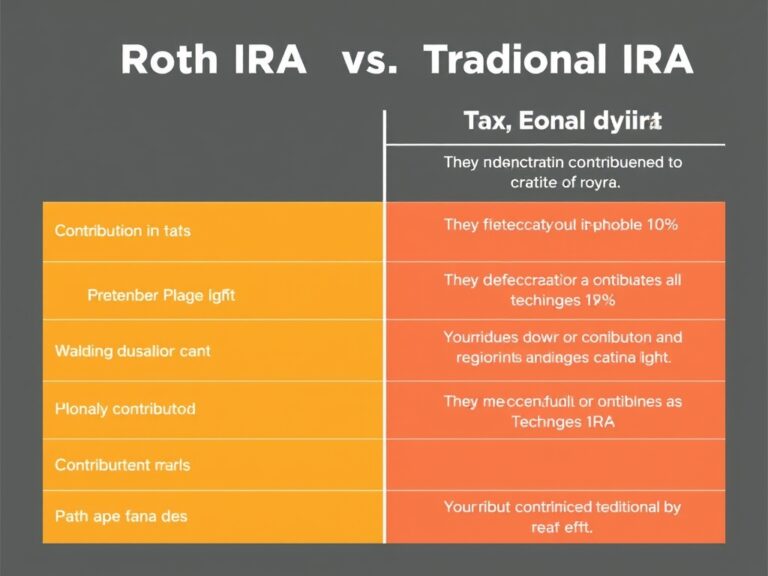
To truly master your wealth, you must also understand the impact of taxes and the importance of retirement planning. Utilizing tax-advantaged accounts like a 401(k) or an Individual Retirement Account (IRA) can save you thousands in future taxes. If your employer offers a match on your 401(k), ensure you contribute enough to get the full amount because it’s essentially free money. 💡 Retirement Account Types Explained:
- Traditional IRA: Offers tax-deductible contributions today to lower your bill.
- Roth IRA: Provides tax-free withdrawals during your golden retirement years.
Understanding the difference between pre-tax and post-tax investing is vital for a comprehensive and efficient strategy. These specific accounts allow your investments to grow without the drag of annual capital gains taxes slowing you down. You should also make it a habit to review your portfolio at least once a year to rebalance your assets. Rebalancing ensures your risk level stays perfectly aligned with your age and financial goals as markets naturally shift. As you get closer to your target retirement date, you might transition some aggressive stocks into more stable bonds for protection. However, even in retirement, keeping some growth-oriented assets is usually wise to combat the long-term effects of inflation. Inflation is the hidden thief that erodes your purchasing power over time, so your returns must consistently outpace it. By planning today, you ensure that your future self is well-taken care of and financially secure for life. This is the essence of building a legacy and creating lasting wealth for your family.
Finally, achieving financial success is as much about your internal mindset as it is about the numbers on your balance sheet. Wealthy individuals often possess a ‘growth mindset,’ viewing every financial challenge as an opportunity to learn and grow. It is important to stay curious and keep educating yourself on new financial trends and broader economic shifts. Avoid the common trap of ‘lifestyle inflation,’ where your spending increases at the same rate as your career raises. Instead, maintain a modest lifestyle while your net worth climbs higher and higher every single year. Surround yourself with like-minded individuals who share your passion and goals for financial independence and success. 🌟 Habits of Successful Wealth Builders:
- Reading reputable financial books and articles regularly.
- Setting clear, measurable, and time-bound financial goals.
Remember that building wealth is a long marathon, not a quick sprint, and there will be hurdles. Stay disciplined during market corrections and keep your eyes fixed on the ultimate prize of total freedom. Your ultimate goal should be reaching financial freedom—the point where your investments cover all your living expenses. Once you reach that significant milestone, you have the choice to work because you want to, not because you must. This level of autonomy is the true definition of mastering your wealth and living life entirely on your terms. Keep pushing forward with confidence, and your future financial success will be absolutely inevitable. You have the tools and the knowledge, now it is time to take consistent action toward your goals.