

Mastering Your Finances: Practical Money Management and Smart Investing Strategies for Lasting Wealth
💰 The Foundation: Mindful Budgeting and Tracking
Welcome to your journey toward true financial freedom! Mastering your finances isn’t just about how much you earn; it’s about how much you keep and how effectively you grow it. The bedrock of any smart money management strategy is a clear, unfiltered understanding of your cash flow. Start by tracking every single expense for at least thirty days to identify the hidden leaks in your budget that might be draining your potential. I highly recommend adopting the 50/30/20 rule: allocate 50% of your income to needs, 30% to wants, and 20% to savings and debt repayment. Modern apps like YNAB or Mint can make this process incredibly simple and even rewarding. Remember, a budget isn’t a restriction; it is simply giving your money a job and the permission to spend on what truly matters. You need to develop a ‘wealth mindset’ that prioritizes long-term security over the fleeting dopamine hit of impulse purchases. 🚀 Key takeaway: You cannot manage what you do not measure! By categorizing your spending, you will uncover surprising opportunities to save without actually sacrificing your current quality of life. Consistency in this habit is the secret sauce that turns a basic budget into a powerful wealth-building machine. Once you master your cash flow, you will gain the confidence needed to make much larger financial decisions with ease. This initial step is the most critical phase in the architecture of lasting wealth.

🛡️ Protecting Your Future: Debt and Emergency Funds
Before you can sprint toward investing, you must ensure your financial house is built on solid ground. High-interest debt, like credit card balances, is a silent wealth killer that effectively steals from your future self. Smart money management involves aggressively tackling these balances using either the debt snowball or debt avalanche method. While you’re crushing debt, it is equally vital to build a robust emergency fund. Aim for three to six months of essential living expenses tucked away in a high-yield savings account. This fund acts as a financial shock absorber for life’s unexpected turns, like medical bills or car repairs. 🛑 Pro Tip: Never invest money that you might need for an emergency next month. Having this cash cushion prevents you from being forced to sell investments during a market downturn. It provides the psychological ‘peace of mind’ necessary to stay invested during volatile times.
- Eliminate high-interest debt first.
- Save 3-6 months of expenses.
- Use high-yield accounts for liquidity.
This layer of protection ensures that your path to wealth remains uninterrupted by the inevitable hiccups of life. Once your safety net is in place, you are ready to pivot toward the exciting world of smart investing strategies.

📈 The Power of Compounding: Investing Simplified
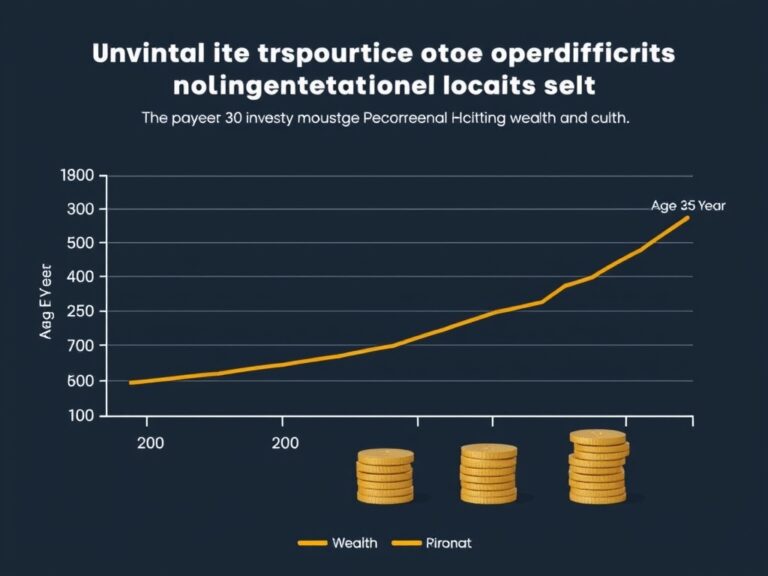
Now that your foundation is secure, it is time to put your money to work through smart investing strategies. The most powerful tool at your disposal is time, thanks to the magic of compound interest. When you reinvest your earnings, they begin to generate their own earnings, creating an exponential growth curve over decades. Don’t wait for the ‘perfect’ time to enter the market; time in the market is far more important than timing the market. For most people, low-cost index funds or ETFs are the best way to capture market returns without the stress of picking individual stocks. These funds allow you to own a tiny piece of hundreds of successful companies simultaneously. 📊 Wealth Insight: Diversification is your only ‘free lunch’ in the world of finance. By spreading your money across different sectors, you significantly reduce the risk of a single company’s failure hurting your overall portfolio. Investing should be boring and consistent rather than fast-paced and speculative. Automating your investments ensures that you stay disciplined regardless of how you feel about the news on any given day. Over time, these small, automated contributions will snowball into a significant nest egg. This is how ordinary people build lasting wealth through simple, repeatable actions.
🏗️ Diversification and Strategic Asset Allocation
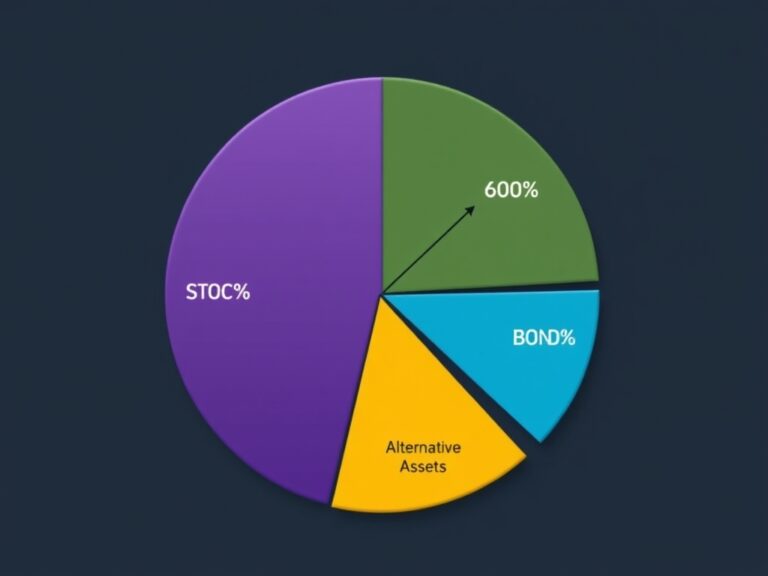
To maintain lasting wealth, you must understand the art of asset allocation. This refers to how you divide your portfolio among different asset classes like stocks, bonds, real estate, and cash. Your specific mix should depend on your age, risk tolerance, and long-term financial goals. Stocks generally provide higher growth potential, while bonds offer stability and income during market swings. 🏠 Real Estate: Many successful investors also include physical property or REITs to further diversify their holdings. Diversification ensures that when one part of the economy is struggling, another part may be thriving, keeping your total balance steadier. You should periodically ‘rebalance’ your portfolio to ensure your asset mix hasn’t drifted too far from your original plan. For example, if stocks have a great year, you might sell some to buy more bonds and lock in your gains. ⚖️ Expert Tip: Rebalancing forces you to do the hardest thing in investing: sell high and buy low. Staying diversified protects you from the emotional urge to chase the latest ‘hot’ investment trend. Focus on a strategy that allows you to sleep soundly at night, even when the market is red. By following these smart investing strategies, you are not just hoping for luck; you are engineering a successful outcome. This strategic approach is what separates long-term winners from those who treat the stock market like a casino.
🏦 Tax Efficiency and Retirement Planning
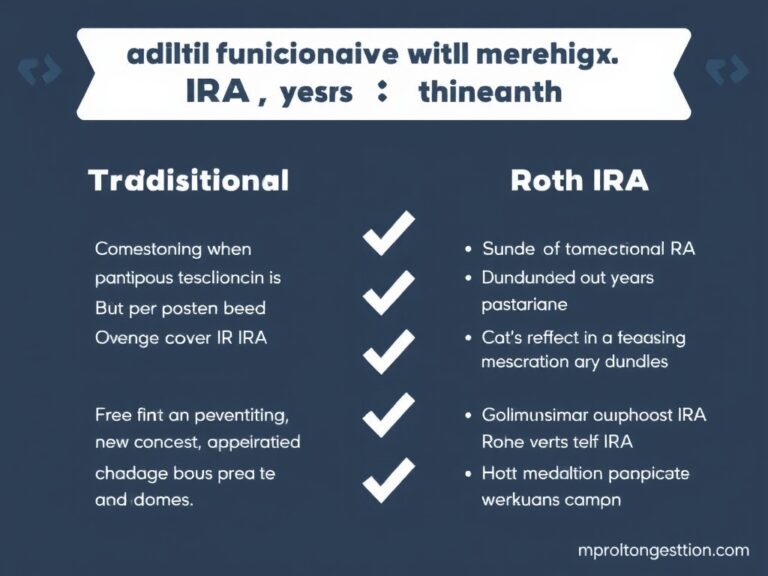
One of the most overlooked aspects of Mastering Your Finances is understanding the impact of taxes on your wealth. It’s not about what you earn; it’s about what you get to keep after Uncle Sam takes his cut. Utilize tax-advantaged accounts like a 401(k), 403(b), or an Individual Retirement Account (IRA) to maximize your growth. Many employers offer a ‘match’ on 401(k) contributions, which is essentially a 100% immediate return on your money—never leave that on the table! 🏦 Smart Strategy: Consider a Roth IRA if you expect to be in a higher tax bracket in the future, as it offers tax-free withdrawals in retirement. Tax-efficient investing involves placing high-growth assets in accounts that shield them from annual capital gains taxes. You should also be aware of tax-loss harvesting, a technique to offset capital gains with losses to lower your tax bill.
- Max out employer matching programs.
- Understand the difference between Traditional and Roth.
- Keep long-term investments in tax-sheltered accounts.
Planning for your future self requires a proactive approach to tax laws and retirement regulations. By optimizing your tax situation now, you can potentially save hundreds of thousands of dollars over your lifetime. This level of detail is what distinguishes a beginner from someone who is truly mastering their financial destiny. Your retirement planning should be a dynamic process that evolves as your income and life circumstances change.
🌟 Consistency: The Key to Lasting Wealth
The final and most important ingredient in your financial journey is unwavering consistency. Lasting wealth is rarely the result of a single brilliant move; it is the cumulative effect of a thousand small, smart decisions made over years. Avoid the temptation to constantly check your portfolio or react to the 24-hour news cycle’s fear-mongering. Financial success is more about temperament than it is about high IQ or complex math. Develop a system where your savings and investments happen automatically so that you don’t have to rely on willpower every month. Educate yourself continuously, but remain skeptical of ‘get rich quick’ schemes that promise high returns with zero risk. 💡 Final Thought: The goal of money management is ultimately to give you the freedom to live life on your own terms. Whether that means traveling the world, starting a business, or retiring early, your finances are the fuel for your dreams. Stay patient, stay disciplined, and keep your eyes on the long-term horizon. Review your financial goals annually to ensure your actions are still aligned with your values and aspirations. As you watch your net worth grow, remember to celebrate the milestones along the way to stay motivated. You now have the roadmap; all that is left is for you to take the first step and keep walking toward your wealthy future!