
Smart Money Management: Practical Financial Advice and Investing Strategies for Long-Term Growth
Building Your Financial Foundation with Smart Money Management
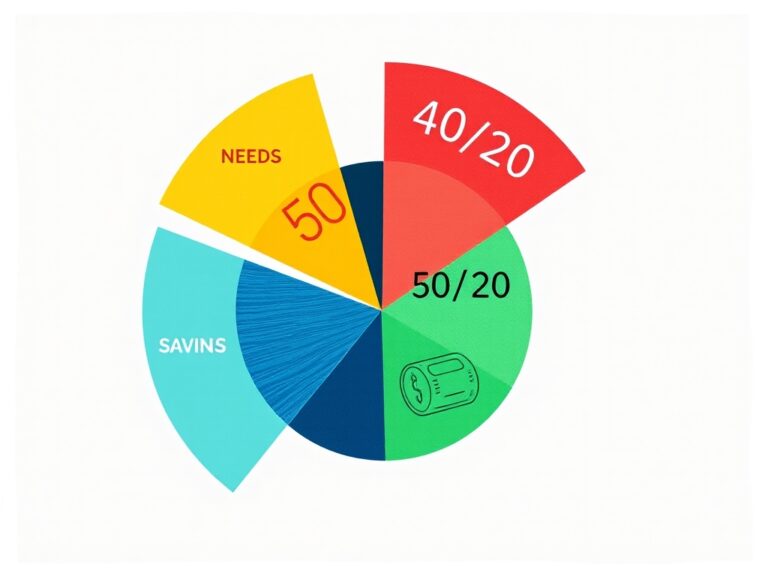
Hey there! Let’s talk about building a solid financial house from the ground up, because you wouldn’t build a mansion on sand, right? Smart money management begins with a clear, honest understanding of where your hard-earned cash is actually going every single month. By utilizing the 50/30/20 rule, you can effectively allocate 50% of your income to needs, 30% to wants, and 20% to savings or debt repayment. This isn’t just about restriction; it’s about empowerment and taking control of your financial destiny through intentional spending. Tracking your expenses might seem tedious at first, but it reveals patterns that can save you thousands over a lifetime. Imagine looking at your bank statement and feeling a sense of peace instead of panic or confusion. This foundational step allows you to identify hidden ‘leaks’ in your budget that might be slowly draining your wealth. To help you visualize, here is a quick breakdown of how to categorize:
- Needs: These include rent, utilities, and groceries.
- Wants: These include dining out, hobbies, and streaming services.
- Savings: This is for building that future nest egg for retirement.
Remember, every dollar you save today is a seed planted for your future prosperity and peace of mind. Let’s make sure you’re the boss of your money, not the other way around, by setting clear boundaries. Consistency is the secret sauce that turns a simple budget into a powerful wealth-building tool over time. You’ve got this, and the first step is simply being aware of your cash flow!
Securing Your Future with an Emergency Fund
Once your budget is set, the next critical step is creating a significant buffer between you and life’s inevitable surprises. An Emergency Fund is your ultimate financial insurance policy against job loss, unexpected medical bills, or major car repairs. Ideally, you should aim to stash away three to six months’ worth of living expenses in a liquid, easily accessible account. High-yield savings accounts are perfect for this because they offer better interest rates than traditional banks while keeping your money safe. There are three main reasons why this fund is non-negotiable for your growth:
- Safety: Your capital is protected from market volatility.
- Liquidity: You can grab the cash instantly when you need it.
- Peace of Mind: Stress levels drop significantly when you have a cushion.
Without this safety net, you might be forced to rely on high-interest credit cards when things go wrong, which can derail your long-term goals. Think of this fund as your ‘sleep well at night’ account that protects your future investments. It isn’t an investment meant for massive growth; it’s a security measure meant for total stability. Starting small is perfectly fine, as long as you are consistent with your monthly contributions until you hit your target. Over time, watching this balance grow will give you the confidence to take more calculated risks in your investment portfolio. Having cash on hand also prevents you from being forced to sell stocks during a market downturn. It is the cornerstone of any resilient financial plan that aims for long-term prosperity.

Strategic Debt Management and Practical Advice
Now, let’s tackle the elephant in the room: debt management and how it impacts your long-term growth potential. Not all debt is created equal, and distinguishing between ‘good debt’ and ‘bad debt’ is essential for savvy investors. Good debt, like a low-interest mortgage or a strategic student loan, can actually help build wealth or increase your earning power over time. However, bad debt, such as high-interest credit card balances, is a wealth-killer that you should prioritize paying off immediately. You can choose a strategy that fits your personality to get rid of these balances:
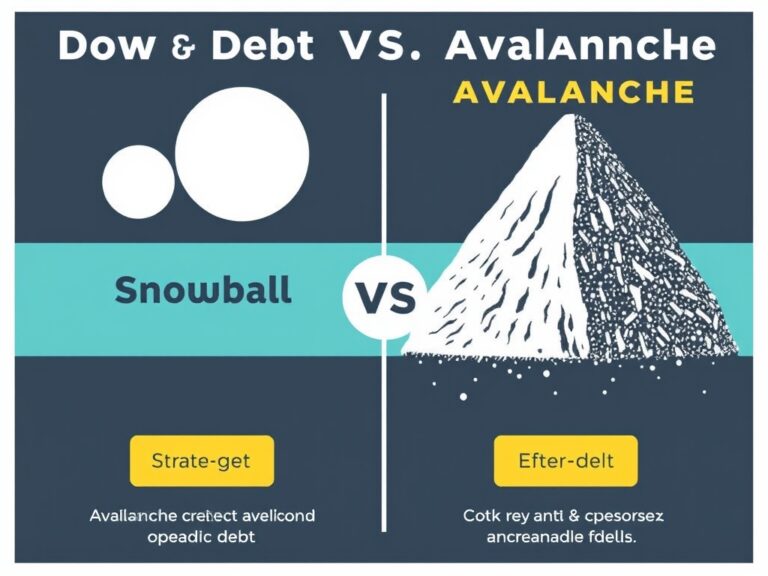
- Snowball Method: Pay off the smallest debts first for quick psychological wins.
- Avalanche Method: Target the highest interest rates first to save the most money.
- Credit Score: Maintaining a high score lowers your overall cost of borrowing.
Your credit score is a vital financial tool that dictates the interest rates you’ll pay on every future loan you take. By managing your credit utilization and making on-time payments, you ensure that you aren’t overpaying for the use of capital. It’s important to understand that every dollar paid in interest to a credit card company is a dollar not invested in your own future. Refinancing high-interest loans can also be a smart move to accelerate your path to financial freedom. Don’t let debt hold your financial dreams hostage or slow down your path to compounding wealth. Freedom comes from owning your assets instead of letting your liabilities own you and your hard-earned paycheck.
Investing Strategies for Long-Term Growth
Transitioning from simple saving to proactive investing is where the magic of compound interest truly begins to shine for you. To achieve long-term growth, you need to put your money to work in assets that historically outpace the rate of inflation. Diversification is your best friend here, as it spreads your risk across different sectors, geographies, and asset classes. To get started, you should understand the primary components of a balanced portfolio:
- Stocks: These offer high growth potential over long-term investment horizons.
- Bonds: These provide much-needed stability and regular interest income.
- Index Funds: These are low-cost ways to track the growth of the entire stock market.
Instead of trying to time the market, which is a losing game for most people, focus on the mantra: Time In The Market. Regular contributions through a strategy called dollar-cost averaging can smooth out volatility and lower your average purchase price over time. It’s about being a disciplined participant in the global economy rather than a short-term gambler looking for a quick win. Even small amounts invested early can balloon into significant wealth due to the incredible exponential nature of compounding returns. Stay patient and keep your eyes on the distant horizon, not the distracting daily price fluctuations of the stock market. Your future self will thank you for the consistency and discipline you show today in your investing habits.
Maximizing Tax-Advantaged Accounts
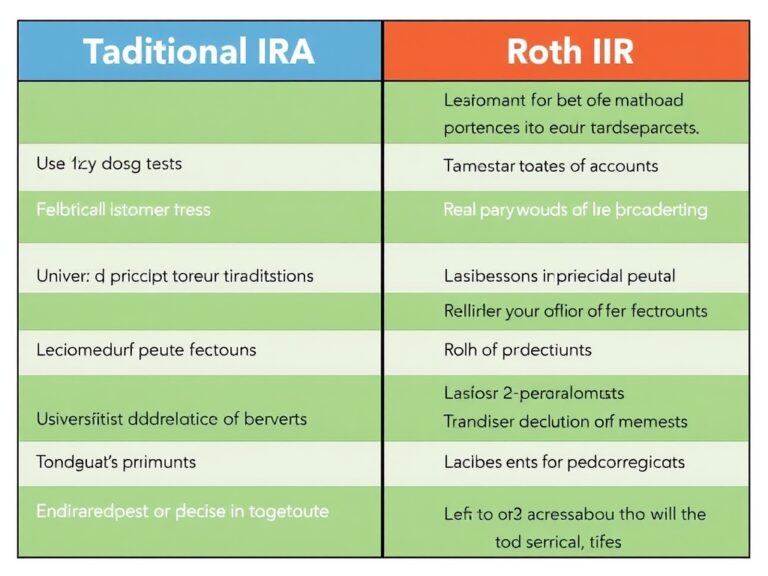
Beyond just picking the right stocks, you must consider the tax implications of your investment strategy to keep more of your money. Utilizing tax-advantaged accounts like a 401(k) or an Individual Retirement Account (IRA) can save you a fortune in taxes over the long run. If your employer offers a match on your 401(k) contributions, make sure you’re contributing enough to get the full amount—it’s essentially free money! Understanding the differences between these accounts is key to maximizing your benefits:
- Traditional IRA: Your contributions may be tax-deductible today, lowering your current bill.
- Roth IRA: Your contributions are post-tax, but your withdrawals are tax-free in retirement.
- 401(k): Often includes employer matching and much higher annual contribution limits.
Choosing between Roth and Traditional accounts depends on whether you think your tax bracket will be higher or lower in the future. Additionally, being mindful of capital gains taxes in your taxable brokerage accounts can help you optimize your net returns. Tax-loss harvesting is another advanced technique to offset your gains with losses, effectively reducing your overall tax bill. Remember, it’s not just about how much your investments make, but how much you actually keep after taxes are paid. Optimizing your portfolio for tax efficiency is a hallmark of expert-level money management and wealth building. This strategic layer can add hundreds of thousands of dollars to your final retirement nest egg over several decades.
Wealth Preservation and Long-Term Success
Finally, as your portfolio grows, focus on wealth preservation and adjusting your strategy to match your changing life stages. Rebalancing your portfolio once or twice a year ensures that your asset allocation remains perfectly aligned with your personal risk tolerance. As you get closer to retirement, you might shift from aggressive growth to more conservative, income-generating assets like bonds or real estate. There are several factors you must monitor to ensure your wealth stays protected over the long haul:
- Risk Assessment: Regularly reviewing how much market volatility you can handle.
- Inflation Protection: Including assets like Real Estate or TIPS to protect your purchasing power.
- Asset Allocation: Finding the right mix of stocks, bonds, and cash for your timeline.
Life is dynamic, and your financial plan should be too, so don’t be afraid to adjust as your personal goals evolve. Staying informed about economic trends without reacting emotionally to sensationalized news cycles is key to staying the course. Financial success isn’t a sprint; it’s a marathon that requires significant endurance, discipline, and a constant willingness to learn. By following these practical strategies, you are setting yourself up for a life of abundance, security, and financial freedom. Keep moving forward, stay curious, and always prioritize your long-term vision over short-term impulses or market noise. You have the tools and the knowledge now; it’s time to put them into practice for a brighter financial future.