
Mastering Your Finances: Practical Advice and Smart Investing Strategies for Long-Term Wealth Management
🚀 The Foundation of Financial Mastery: It’s All About Mindset
Mastering your finances isn’t just about crunching numbers; it’s about shifting your perspective on how money serves your life goals. Long-term wealth management begins with the conscious decision to prioritize your future self over immediate gratification. Many people struggle because they view budgeting as a restriction, but in reality, it is a blueprint for freedom. By establishing a clear vision of what you want to achieve—be it early retirement, travel, or generational wealth—you create the motivation necessary to stick to a plan. 💰 Practical advice starts with understanding your ‘why’ before you ever look at a spreadsheet. You should take a moment to audit your current financial habits and identify where your leakages are occurring. It is essential to recognize that small, consistent changes lead to massive results over decades. Throughout this journey, you must remain disciplined yet flexible enough to adapt to life’s unexpected turns. We are going to explore how you can turn your income into a wealth-generating machine through smart choices. Let’s dive deep into the mechanics of building a robust financial house that can withstand any economic storm. Financial mastery is a journey of a thousand miles that starts with a single, intentional step toward clarity. This initial phase is the most critical because it dictates how you handle every dollar that flows through your hands.

📊 Building Your Fortress: Budgeting and Debt Management
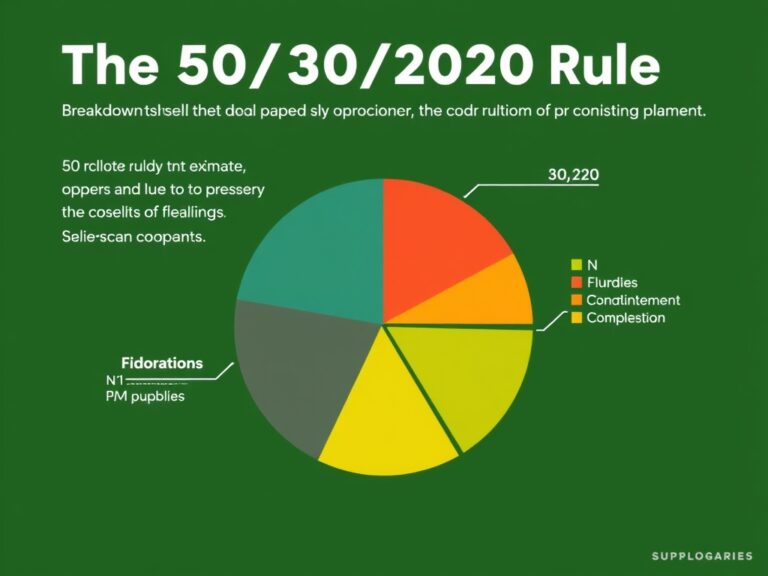
Once you have the right mindset, the next step in mastering your finances is creating a rock-solid foundation through effective budgeting. Think of your budget as a GPS for your money, ensuring every dollar has a specific purpose and direction. One of the most effective strategies is the 50/30/20 Rule, which simplifies your spending into three clear categories.
- 50% for Needs: Essential costs like housing, utilities, and groceries.
- 30% for Wants: Discretionary spending like dining out or hobbies.
- 20% for Savings and Debt: Building your future and paying off liabilities.
High-interest debt is the greatest enemy of wealth, so prioritizing the ‘debt avalanche’ or ‘debt snowball’ method is crucial. 📉 By eliminating toxic debt, you free up cash flow that can be redirected toward smart investing strategies. An emergency fund is also non-negotiable, acting as a safety net that prevents you from dipping into investments during a crisis. Ideally, you should aim for three to six months of expenses in a high-yield savings account. This liquidity provides the peace of mind needed to take calculated risks in the market later. Remember, you cannot build a skyscraper on a cracked foundation, so get these basics right first. Debt management isn’t just about paying bills; it’s about reclaiming your future earnings from interest payments.
📈 Smart Investing Strategies: Putting Your Money to Work
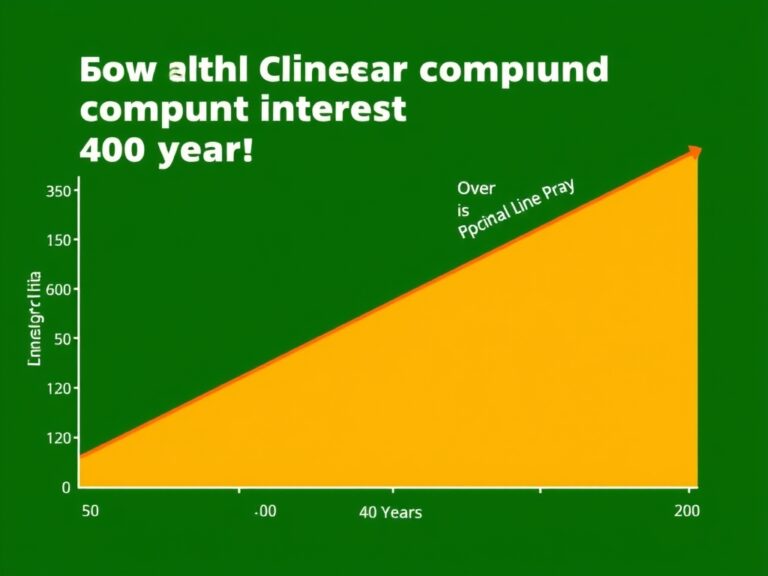
Transitioning from a saver to an investor is the moment you begin truly managing your wealth for the long term. The most powerful tool at your disposal is the concept of compound interest, which Albert Einstein famously called the eighth wonder of the world. By starting early, you allow time to do the heavy lifting, turning modest contributions into significant sums. 🌟 For most people, low-cost index funds or ETFs are the most reliable path to success because they offer instant diversification across the entire market. It is vital to understand that time in the market is always superior to timing the market. You should strive to automate your investments, ensuring that a portion of your paycheck goes directly into your brokerage account before you even see it. 🏦 Strategic asset allocation is another key component, where you balance stocks, bonds, and other assets based on your risk tolerance and age. As you grow older, your strategy may shift from aggressive growth to capital preservation to protect what you’ve built. Consistency is the secret sauce that separates successful investors from those who fluctuate with market noise. Avoid the temptation to chase ‘hot’ stocks and instead focus on a diversified portfolio that aligns with your long-term goals. Investing is less about being a genius and more about being disciplined enough to stay the course through every cycle. When you treat investing as a long-term habit, you remove the emotional stress often associated with market swings.
🛡️ Protecting Your Legacy: Long-Term Wealth Management Tactics
The final piece of the puzzle involves wealth management techniques that protect your assets and optimize your gains over time. Taxes can be one of the biggest drags on your investment returns, so utilizing tax-advantaged accounts like 401(k)s, IRAs, or HSAs is essential. 🛡️ Tax-loss harvesting and understanding capital gains distributions can also help you keep more of what you earn. Beyond just growing your money, you must consider insurance as a tool to protect your family and your net worth from catastrophic events. It is also wise to periodically rebalance your portfolio to ensure your risk level stays within your desired range. ⚖️ Smart investing strategies aren’t just about buying; they are about maintaining a disciplined exit strategy and understanding when to take profits. As your wealth grows, you might also look into estate planning to ensure your legacy is passed down efficiently to the next generation. Keep your eyes on the horizon and don’t let short-term market volatility derail your decade-long plans. 🌍 By staying educated and staying the course, you transform from a passive observer into a master of your financial destiny. Success in finance is a marathon, not a sprint, and your patience will eventually pay off in the form of total financial independence. Wealth is not just about the numbers in your bank account, but the freedom those numbers provide for your lifestyle. Achieving these goals requires constant vigilance and a willingness to keep learning as the economic landscape shifts.