

Mastering Your Finances: Practical Investing Strategies and Money Management Tips for Long-Term Wealth
The Foundation of Financial Mastery
Welcome to the journey of financial freedom, where your money starts working for you instead of the other way around! Mastering your finances isn’t just about spreadsheets; it’s about shifting your mindset toward long-term wealth creation. Many people view money management as a restrictive chore, but in reality, it is the ultimate tool for liberation. By understanding the flow of your income and expenses, you gain the clarity needed to make strategic decisions that align with your life goals. Whether you want to retire early, travel the world, or simply provide for your family, the path begins with a solid foundation. In this guide, we’ll explore practical investing strategies that bypass the noise of ‘get-rich-quick’ schemes and focus on sustainable growth. Remember, wealth is built through consistent habits, not overnight miracles. We’ll break down complex concepts into bite-sized, actionable steps so you can feel confident in your financial choices. Let’s start by looking at how you can optimize your current cash flow to fuel your future dreams. This is your first step toward Mastering Your Finances and building the life you deserve.
Crafting a Bulletproof Budgeting Strategy
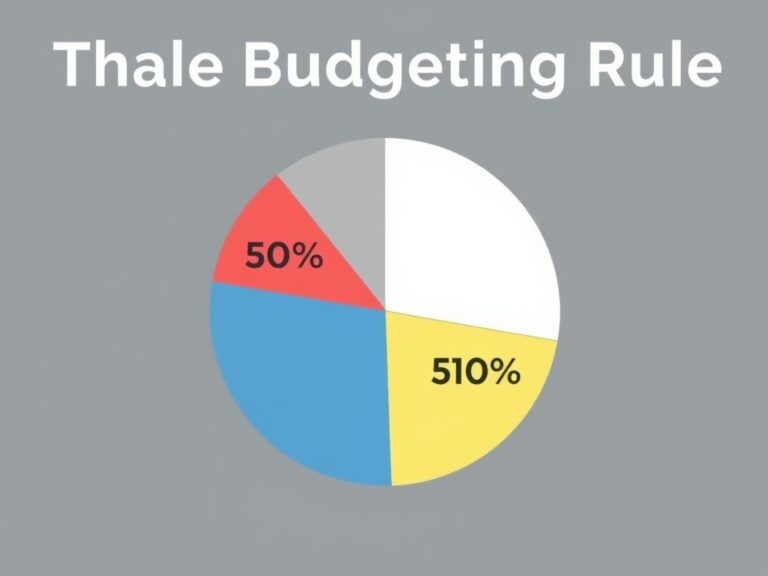
To build wealth, you first need to control where your money goes every single month. A well-structured budget acts as your financial roadmap, ensuring that your essential expenses are covered while still leaving room for growth. One of the most effective methods is the 50/30/20 Rule, which simplifies your spending into three clear categories.
- Needs (50%): Essential costs like rent, utilities, and groceries.
- Wants (30%): Lifestyle choices like dining out and hobbies.
- Goals (20%): Savings, debt repayment, and investing.
This framework provides a balanced approach to managing your cash flow without feeling deprived. By automating these transfers, you remove the temptation to overspend and treat your savings like a non-negotiable bill. Using high-yield savings accounts is another pro tip to ensure your emergency fund earns interest while staying liquid. Tracking your net worth periodically helps you see the progress you’re making, which serves as a powerful motivator. It’s not about being frugal to the point of misery; it’s about being intentional with every dollar you earn. When you master this balance, you create the surplus necessary for the next step: investing.
Demystifying the World of Investing
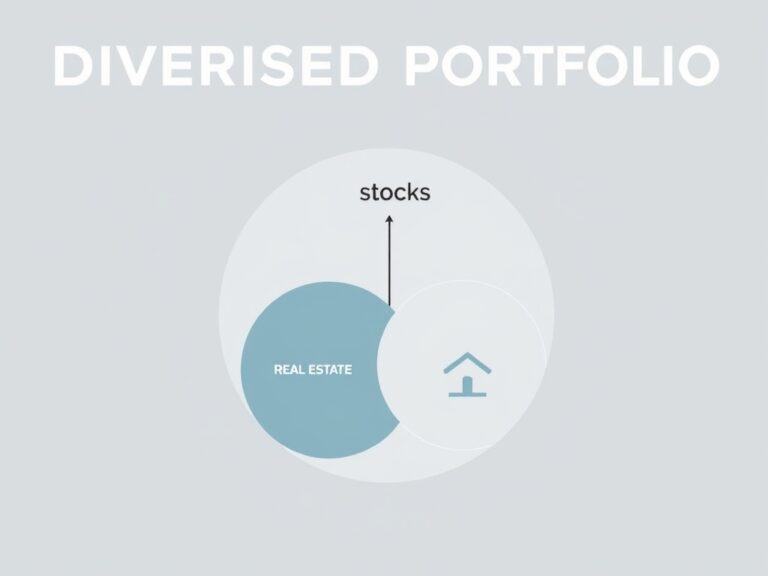
Once you have your budget in order, it’s time to let your capital grow through smart investing strategies. Investing can seem intimidating, but the core principle is simple: buying assets that increase in value over time. For most people, a diversified portfolio of low-cost index funds or ETFs is the gold standard for long-term wealth. These funds allow you to own a small piece of hundreds of companies at once, spreading out your risk significantly. 📈 You don’t need to be a Wall Street expert to see success; you just need patience and a long-term perspective. Consider the different asset classes like stocks for growth, bonds for stability, and real estate for diversification. Rebalancing your portfolio once a year ensures that your asset allocation stays in line with your risk tolerance. Avoid the trap of ‘market timing,’ which often leads to buying high and selling low out of fear. Instead, focus on dollar-cost averaging, where you invest a fixed amount regularly regardless of price fluctuations. This disciplined approach builds a massive advantage over the long haul.
Harnessing the Magic of Compound Interest
The most powerful force in the universe of finance is undoubtedly compound interest, often referred to as the eighth wonder of the world. Compound interest is the process where your earnings start generating their own earnings, creating a snowball effect over decades. ❄️ To maximize this, you must start as early as possible because time is your most valuable asset. Even small contributions made in your 20s can grow far larger than massive contributions made in your 40s. 💰 Utilizing tax-advantaged accounts like a 401(k) or a Roth IRA is an essential part of a ‘Mastering Your Finances’ strategy. These accounts offer significant tax breaks, either upfront or during retirement, allowing more of your money to stay invested. If your employer offers a 401(k) match, make sure you contribute enough to get the full amount—it’s essentially a 100% return on your investment! Consistency is the key here; keeping your money invested during market downturns allows you to capture the eventual recovery. Stay focused on the horizon, and let the math do the heavy lifting for your future self. Wealth isn’t just about what you earn; it’s about what you keep and how hard it works for you.

Managing Debt and Protecting Your Assets
No financial plan is complete without a strategy to tackle debt and mitigate risks that could derail your progress. Not all debt is created equal, so it’s vital to distinguish between ‘good debt’ and ‘bad debt.’ Good debt, like a low-interest mortgage, can help you build equity, while bad debt, like high-interest credit cards, can drain your wealth rapidly. 💳 Prioritizing the repayment of high-interest balances using the Debt Avalanche or Debt Snowball method is a critical step in freeing up cash flow. Simultaneously, you must protect your assets with an Emergency Fund consisting of 3 to 6 months of expenses. This safety net prevents you from having to liquidate your investments during an unexpected job loss or medical bill. Don’t overlook the importance of proper insurance coverage, including health, life, and disability, to shield your family from catastrophic financial loss. Reviewing your credit report annually ensures that no errors or identity theft are dragging down your financial health. By cleaning up your liabilities, you create a fortress around your wealth that can withstand economic storms. A lean and efficient balance sheet is the mark of a true financial master.

Long-Term Wealth Habits and Final Thoughts
As you embark on this path, remember that Mastering Your Finances is a marathon, not a sprint. Success comes from the small, daily decisions you make—like choosing to save a bonus rather than spending it or staying disciplined during a market correction. 🏅 Continual learning is also a cornerstone of wealth management; the more you understand about the economy and tax laws, the better you can optimize. Surround yourself with high-quality information and perhaps a trusted financial advisor to help refine your long-term strategy. Celebrate your milestones along the way, whether it’s hitting your first $10k in savings or paying off a major loan. 🥳 These wins build the psychological momentum needed to stay the course for thirty or forty years. Always keep your ‘why’ in the front of your mind to stay motivated during the slow periods of growth. Whether your ‘why’ is freedom, legacy, or security, let it be the fuel for your financial journey. You now have the tools and the roadmap to build a life of abundance and stability. Start today, stay consistent, and watch as your vision of long-term wealth becomes a reality.