

Smart Investing Strategies and Practical Money Management Tips for Financial Success
Mastering Your Financial Future: Smart Investing and Money Management
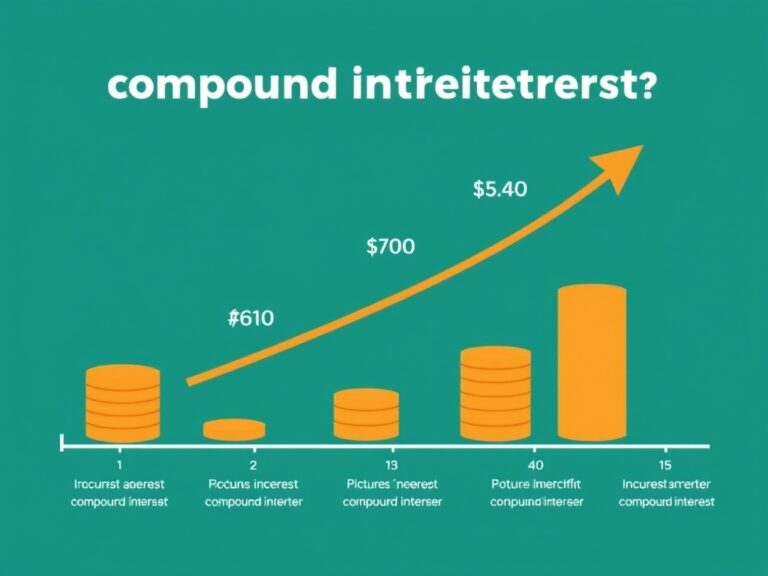
Navigating the complex world of personal finance can feel overwhelming, but achieving long-term financial success is entirely possible with the right mindset and a clear roadmap. Smart investing strategies aren’t just for Wall Street professionals; they are accessible tools that anyone can use to build sustainable wealth over time. To get started, you must first cultivate a mindset that prioritizes long-term growth over quick wins, focusing on consistency and patience. Think of your money as a tool that works for you, rather than just something you spend on daily expenses. By understanding the power of compound interest, you can turn even modest savings into a significant nest egg if you start early enough. It is essential to educate yourself on the fundamentals of asset allocation, diversification, and risk management to protect your hard-earned capital. Remember, building wealth is a marathon, not a sprint, and every small contribution adds up to significant results down the road. Are you ready to take control of your financial destiny and create the future you deserve?
Practical Money Management Tips for Everyday Success
Before you dive deep into aggressive investment portfolios, you must establish a solid foundation through practical money management.
- Budgeting: Track every dollar you spend to identify leaks in your finances.
- Emergency Fund: Aim to save 3-6 months of living expenses in a high-yield savings account.
- Debt Reduction: Prioritize paying off high-interest debt, such as credit cards, before aggressively investing.
- Automated Savings: Use banking apps to automatically move a portion of your paycheck to savings.
Managing your cash flow effectively allows you to free up capital that can then be diverted into wealth-building assets. It is not about depriving yourself of all joy, but rather about being intentional with your spending habits to align them with your long-term goals. When you track your net worth periodically, you gain a clear picture of your progress, which acts as a powerful motivator to keep going. By cutting out unnecessary subscription services or dining out less, you can find extra funds that make a massive difference when invested over a decade. Keep your financial house in order by keeping your bank accounts organized and your debt obligations under control at all times.
Strategic Investing Approaches for Beginners and Pros
Once your budget is settled, it is time to look at smart investing strategies that leverage different asset classes to maximize your returns. Many successful investors swear by Index Fund Investing because it provides broad market exposure and historically lower fees compared to actively managed funds. Consider these key pillars for your portfolio: Diversification ensures that you aren’t putting all your eggs in one basket, reducing risk during market downturns. You might also explore tax-advantaged accounts like an IRA or a 401(k), which provide massive benefits for long-term retirement planning. Always research the risk-to-reward ratio before committing your capital to any specific stock, bond, or real estate project. If you are uncertain about picking individual stocks, robo-advisors are a fantastic way to automate your portfolio according to your risk tolerance. The key is to avoid emotional decision-making when the market gets volatile, as panic selling is the biggest killer of wealth. Staying the course through market corrections often leads to better performance than trying to time the highs and lows. Invest in what you understand, and keep your strategy simple enough that you can maintain it for years.

The Importance of Consistency and Continuous Learning
Finally, the secret sauce to financial freedom is consistency combined with a commitment to lifelong learning. Financial success is rarely achieved by accident; it is the result of repeated, disciplined actions performed over many years. You should set aside time each month to review your portfolio, rebalance your assets, and adjust your goals if your life circumstances change. Read books, listen to podcasts, and follow reputable financial news sources to stay informed about changing market conditions and economic shifts.
- Stay curious: Knowledge is the only investment that yields the highest return.
- Stay disciplined: Don’t let market noise dictate your long-term strategy.
- Stay humble: Recognize when you need professional advice to manage complex tax or estate issues.
By treating your personal finances with the same level of care and attention you would give a professional business, you significantly increase your chances of success. As your wealth grows, you will find that you have more options in life, from early retirement to funding your dream projects. The journey to financial independence is deeply personal, so define what success looks like for you and go after it with confidence. Start today, stay the course, and watch as your smart financial decisions pave the way to a secure, wealthy future.