
Mastering Your Finances: Practical Money Management Tips and Smart Investing Strategies for Long-Term Growth
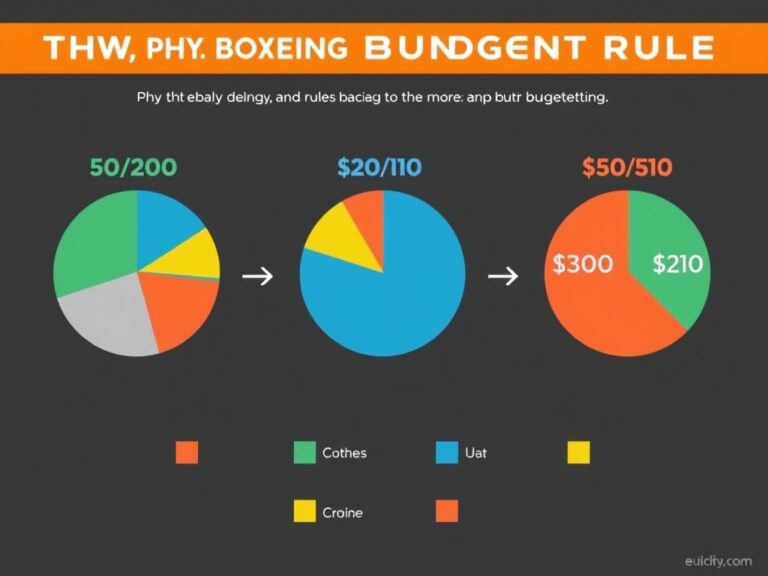
Welcome to your journey toward true financial independence and peace of mind! 🚀 Mastering your finances isn’t just about crunching numbers; it’s about creating a lifestyle that aligns perfectly with your long-term dreams and values. To start, we must look at practical money management tips that actually work in the real world, beginning with a solid, flexible budget. Think of a budget as a roadmap rather than a cage; it tells your money where to go instead of you wondering where it went at the end of the month. 🗺️ You should track every dollar for at least thirty days to identify hidden patterns in your daily spending habits. Using tools like the 50/30/20 rule can be a complete game-changer for beginners and pros alike.
- 50% for Needs: Essential costs like rent, groceries, and insurance.
- 30% for Wants: Personal lifestyle choices, dining out, and hobbies.
- 20% for Savings: Debt repayment and future investments.
By categorizing your expenses this way, you regain absolute control over your financial destiny. Consistency is the secret sauce that turns a simple plan into a powerful wealth-building machine over time. Don’t beat yourself up if you slip up occasionally; the goal is consistent progress, not immediate perfection. When you prioritize your spending, you ensure that your hard-earned cash supports what truly matters to you. Setting clear, written financial goals helps keep your motivation high during the lean months. Remember, every financial giant started with a single, well-managed dollar and a plan.
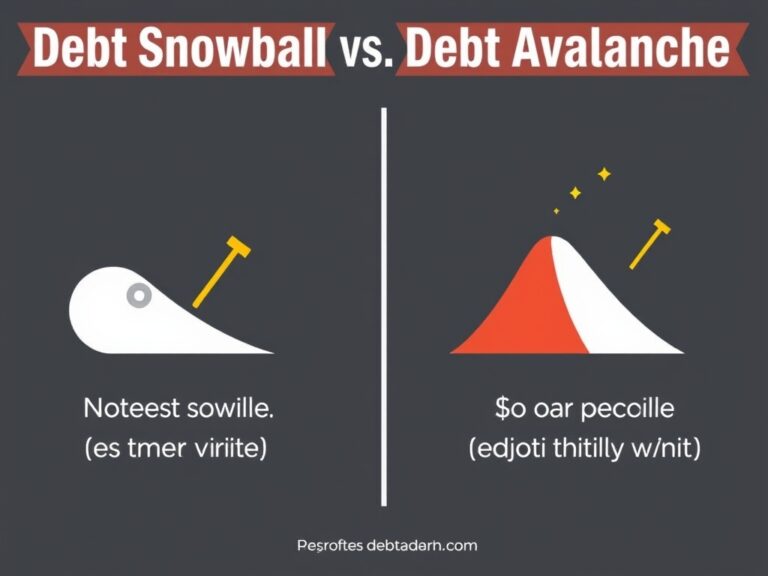
Once you have a handle on your cash flow, it’s time to tackle the obstacles standing between you and long-term growth. High-interest debt, like credit card balances, is often the biggest anchor dragging down your total net worth and mental health. ⚓ Implementing a strategy like the ‘Debt Snowball’ or ‘Debt Avalanche’ can help you regain psychological momentum and save money on interest. While you’re paying off debt, you must simultaneously build a starter emergency fund to catch you when life inevitably throws a curveball. 🛡️ Ideally, you want three to six months of living expenses tucked away in a safe, high-yield savings account. This fund acts as your personal insurance policy, preventing you from sliding back into debt during an unexpected crisis.
- Step 1: Save a $1,000 starter buffer as fast as possible.
- Step 2: List all your debts from the smallest balance to the largest.
- Step 3: Attack the smallest debt with intensity while maintaining minimums on others.
This psychological boost of crossing items off your list is vital for staying the course long-term. Financial security is built on a foundation of stability and risk mitigation, not just high returns. Protecting your downside is just as important as chasing the upside in any financial environment. By eliminating high-cost debt, you effectively guarantee yourself a ‘return’ equal to the high interest rate you were paying. Stay disciplined, keep your eyes on the prize, and watch your financial stress melt away as your balances drop. You deserve to live a life free from the weight of high-interest obligations.
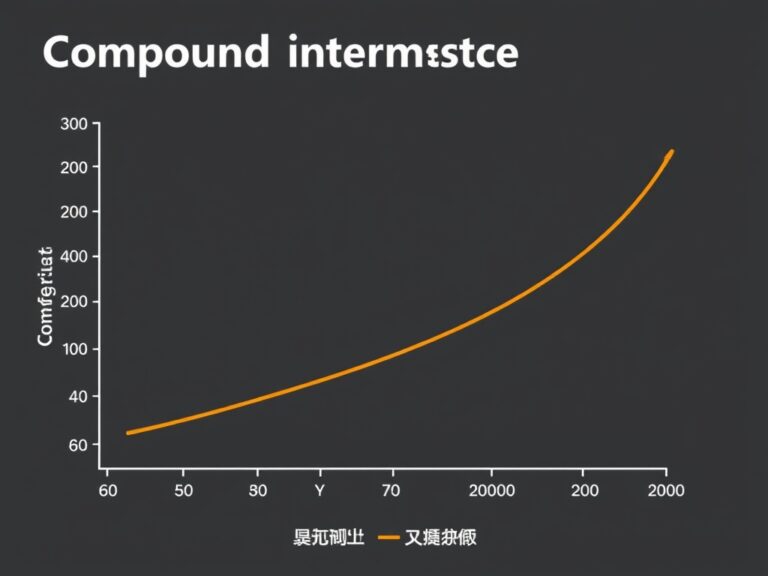
Now let’s dive into the exciting world of smart investing strategies to make your money work as hard as you do! 📈 The magic of compound interest is your best friend when it comes to building generational wealth effortlessly. You don’t need a million dollars to start; you just need a brokerage account and a healthy dose of patience. Diversification is often called the only ‘free lunch’ in finance, helping you manage risk by spreading your eggs across many different baskets. 🧺 Consider low-cost index funds or ETFs that track the total stock market to gain broad exposure with minimal fees.
- Stocks: These offer high growth potential over decades of market cycles.
- Bonds: These provide much-needed stability and consistent income during volatility.
- Real Estate: This offers tangible assets and significant tax benefits for investors.
It is crucial to understand your own risk tolerance before diving into volatile assets like individual stocks or crypto. Dollar-cost averaging—investing a fixed amount regularly—helps you avoid the dangerous trap of trying to time the market. Over time, the market’s historical upward trajectory rewards those who stay invested through the inevitable dips and crashes. Smart investors look past the daily noise of the news cycle and focus on the ten-to-twenty-year horizon. Your future self will thank you for the seeds you plant in the fertile soil of the market today. Continuous education is your greatest asset, so keep learning about different asset classes as your portfolio grows.
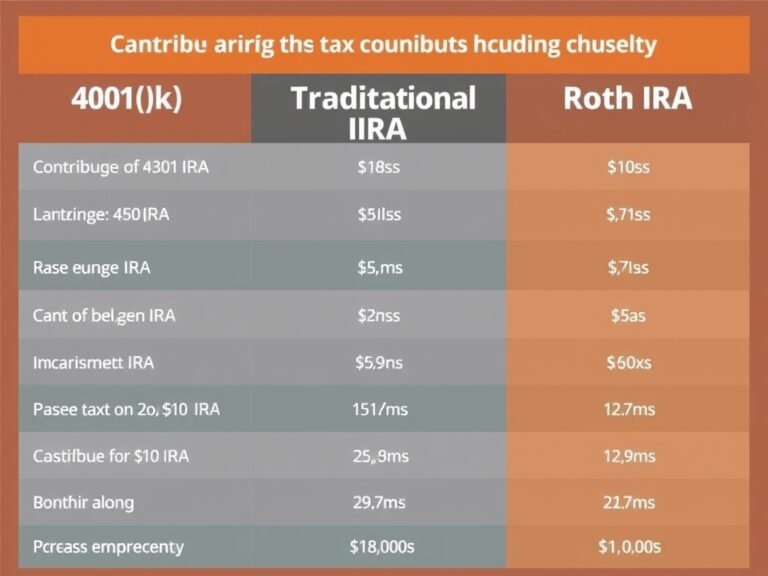
To truly master your finances, you must leverage tax-advantaged accounts to keep more of what you earn for yourself. 🏦 Retirement planning isn’t just for people in their 60s; it’s a strategic move for everyone who wants freedom later in life. If your employer offers a 401(k) match, that is literally free money—never leave it on the table under any circumstances! 🎁 Roth IRAs are another fantastic tool, allowing your investments to grow and eventually be withdrawn tax-free in your golden years. Understanding the fundamental difference between ‘pre-tax’ and ‘post-tax’ contributions can save you hundreds of thousands of dollars over a lifetime.
- 401(k): Often includes employer matching and very high annual contribution limits.
- IRA: Offers more investment flexibility and individual control than employer plans.
- HSA: A ‘triple tax-advantaged’ account specifically for healthcare and long-term savings.
Maxing out these accounts should be a primary goal for anyone serious about achieving long-term growth. Tax efficiency is a quiet but incredibly powerful engine for accelerating wealth accumulation. Don’t forget to rebalance your portfolio annually to ensure your asset allocation remains aligned with your original goals. Automated contributions take the emotion out of the process, making saving as effortless as a monthly subscription. By optimizing your tax situation, you significantly accelerate your journey toward the ‘finish line’ of financial independence. Keep a long-term perspective and let the power of government-sponsored incentives work in your favor constantly.