
The Ultimate Guide to Practical Money Management and Smart Investing Strategies for Wealth Building
Welcome to your journey toward financial freedom, where we turn ‘The Ultimate Guide to Practical Money Management and Smart Investing Strategies for Wealth Building’ into your reality. Managing your money isn’t just about math; it’s about creating a lifestyle that supports your future self while enjoying the present. We start with the Golden Rule of Budgeting: the 50/30/20 framework, which simplifies your cash flow into needs, wants, and savings.
- 50% for Needs: Rent, groceries, and utilities.
- 30% for Wants: Hobbies, dining out, and entertainment.
- 20% for Savings/Debt: Building your future today.
By tracking every dollar, you gain a sense of financial empowerment rather than restriction. Think of your budget as a roadmap, not a cage, guiding you toward your biggest goals like homeownership or early retirement. It’s essential to use digital tools or apps to automate this tracking so you don’t lose momentum. When you see where your money goes, you can identify ‘spending leaks’ that are draining your wealth-building potential. Consistency is the secret sauce that turns a simple budget into a powerful wealth engine over time. Let’s make a pact to prioritize your future self by setting aside that 20% before you even see it in your checking account. This proactive approach ensures you are always moving forward, no matter how small the steps may seem initially. Every wealthy individual started with the discipline to master their own cash flow before they ever mastered the markets. You have the power to change your financial trajectory starting today with these fundamental habits.

Now that we’ve mastered the flow of money, we must address the ‘wealth killers’—high-interest debt and the lack of a safety net. Before you dive deep into the stock market, you need to secure your foundation by tackling credit card balances that eat away at your net worth.
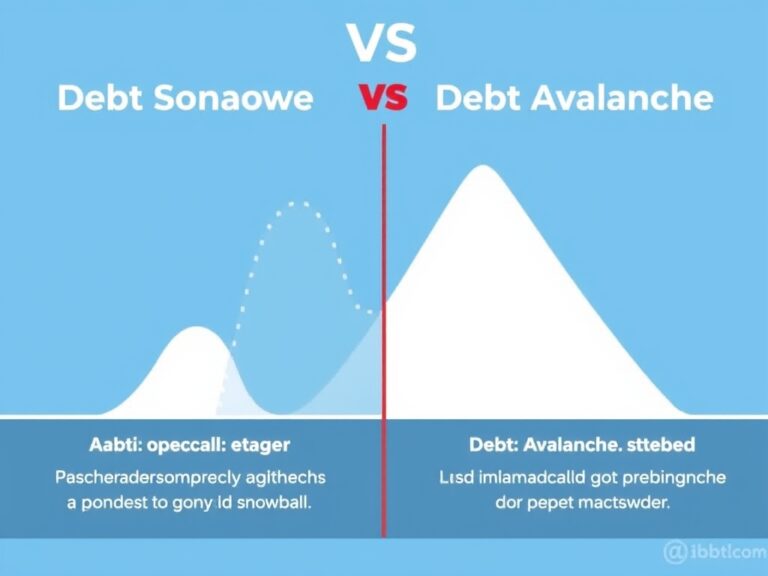
- Debt Snowball: Paying off smallest balances first for psychological wins.
- Debt Avalanche: Targeting highest interest rates first to save money on interest.
- Emergency Fund: Aim for 3-6 months of expenses in a high-yield savings account.
Having an emergency fund prevents you from going back into debt when life throws a curveball, like a car repair or medical bill. It provides a psychological cushion that allows you to make calm, rational financial decisions. Once high-interest debt is eliminated, you suddenly have a massive surplus of cash to redirect toward investing. Imagine the power of those monthly payments going into an account that pays you interest instead of a bank! Practical money management requires this disciplined cleanup phase to clear the runway for takeoff. You cannot build a skyscraper on a swamp, and you cannot build lasting wealth on a foundation of high-interest consumer debt. Every dollar you save on interest is a dollar earned toward your financial independence. This step is often the hardest, but it is the most transformative for your financial mental health. Once the debt is gone, the real wealth-building fun truly begins.
With your foundation set, it’s time to talk about Smart Investing Strategies—the engine that grows your wealth while you sleep. Investing isn’t gambling; it’s about buying productive assets that appreciate over time and generate income. We focus on diversification, which means not putting all your eggs in one basket to minimize risk.
- Index Funds: Low-cost ways to own a piece of the entire stock market.
- Asset Allocation: Balancing stocks, bonds, and real estate based on your age and risk tolerance.
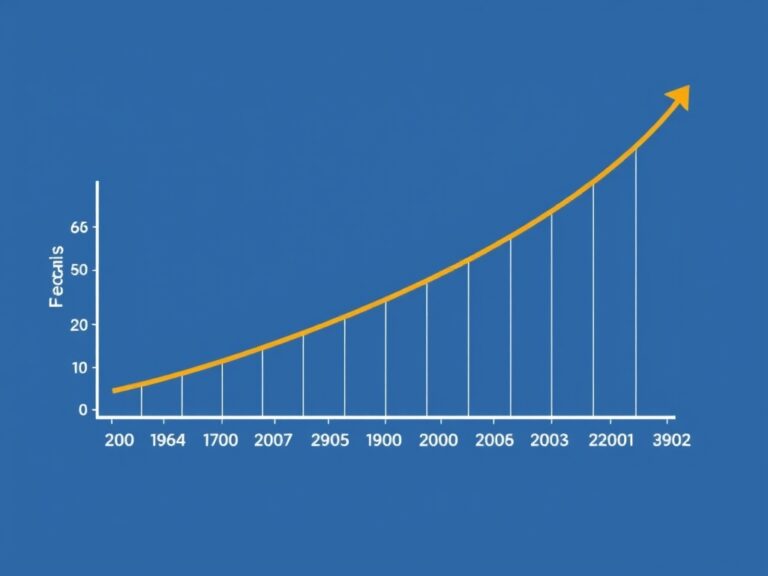
- Compound Interest: The ‘Eighth Wonder of the World’ that turns small monthly sums into fortunes.
Starting early is more important than starting with a lot of money because time is your greatest ally. You should aim for a ‘buy and hold’ strategy rather than trying to time the market, which even experts struggle to do. By consistently investing a set amount every month, you benefit from dollar-cost averaging, buying more shares when prices are low. This approach removes emotion from the equation, ensuring you stay invested through market ups and downs. Understanding the power of reinvesting dividends can significantly accelerate your portfolio’s growth over several decades. Wealth building is a marathon, not a sprint, and your portfolio is the vehicle that carries you to the finish line. Don’t be discouraged by market dips; see them as opportunities to buy assets at a discount for your long-term success.
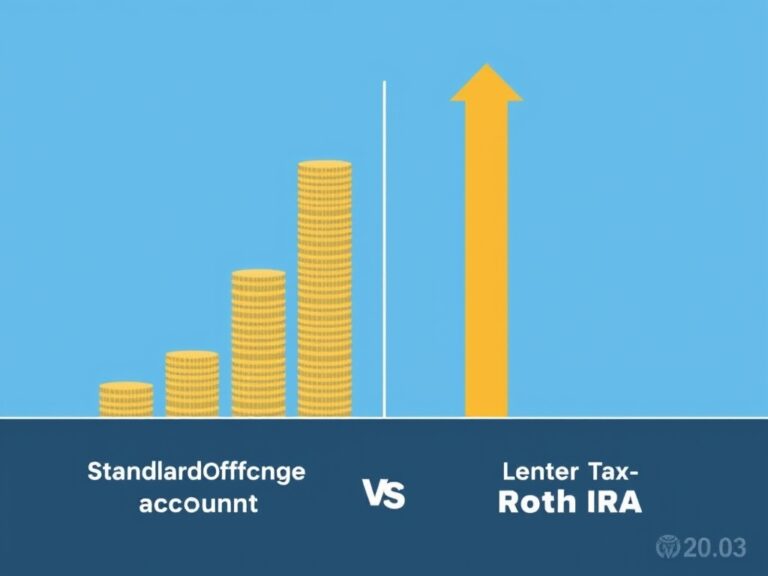
Finally, we must look at tax-advantaged accounts and long-term maintenance to ensure your wealth stays protected and keeps growing. Utilizing accounts like a 401(k) or a Roth IRA provides massive tax benefits that can save you hundreds of thousands of dollars over a lifetime.
- Employer Match: Always contribute enough to get the ‘free money’ your company offers.
- Tax-Free Growth: Roth IRAs allow your investments to grow and be withdrawn tax-free in retirement.
- Rebalancing: Once a year, adjust your portfolio to maintain your target asset mix.
It is vital to stay informed about changing tax laws and investment vehicles, but don’t let ‘analysis paralysis’ stop you from taking action. Successful wealth builders are those who automate their contributions and then get out of their own way. Avoid checking your balances every day, as short-term volatility is just noise in the context of a 20-year plan. Educating yourself on the fees associated with your investments is also crucial, as even a 1% fee can eat a third of your final nest egg. Keep your strategy simple, your costs low, and your eyes on the long-term horizon. As your income increases, resist the urge to inflate your lifestyle and instead ‘inflate’ your investments. By following these practical money management and smart investing strategies, you are not just dreaming of wealth; you are actively constructing it. This commitment to your future is the greatest gift you can give yourself and your family.